5 hr
Stellenbosch Wine Region Half-Day Tour
- Expert local guide
- Small group
- Skip-the-line access
- Free cancellation
Cape Town Wine Tours Half Day — Stellenbosch & Franschhoek Estates
Morning departures through terraced vineyards, returning before sunset
Compare fares, pick the fit — all bookings are mobile-voucher and eligible for free cancellation where shown.
5 hr
8 hr 30 min
8 hr 30 min
| Experience | Duration | Rating | Skip-the-line | Guide | Small group | Free cancel. | Price | |
|---|---|---|---|---|---|---|---|---|
|
Guided Experience
Most popular
Stellenbosch Wine Region Half-Day Tour
|
5 hr | ★ 4.7 | ✓ | ✓ | ✓ | ✓ | €47 | Book → |
|
Guided Experience
Cape Winelands Full-Day Tour: 3 Estates & 15 Tastings
|
8 hr 30 min | ★ 4.7 | ✓ | ✓ | ✓ | ✓ | $56 | Book → |
|
Guided Experience
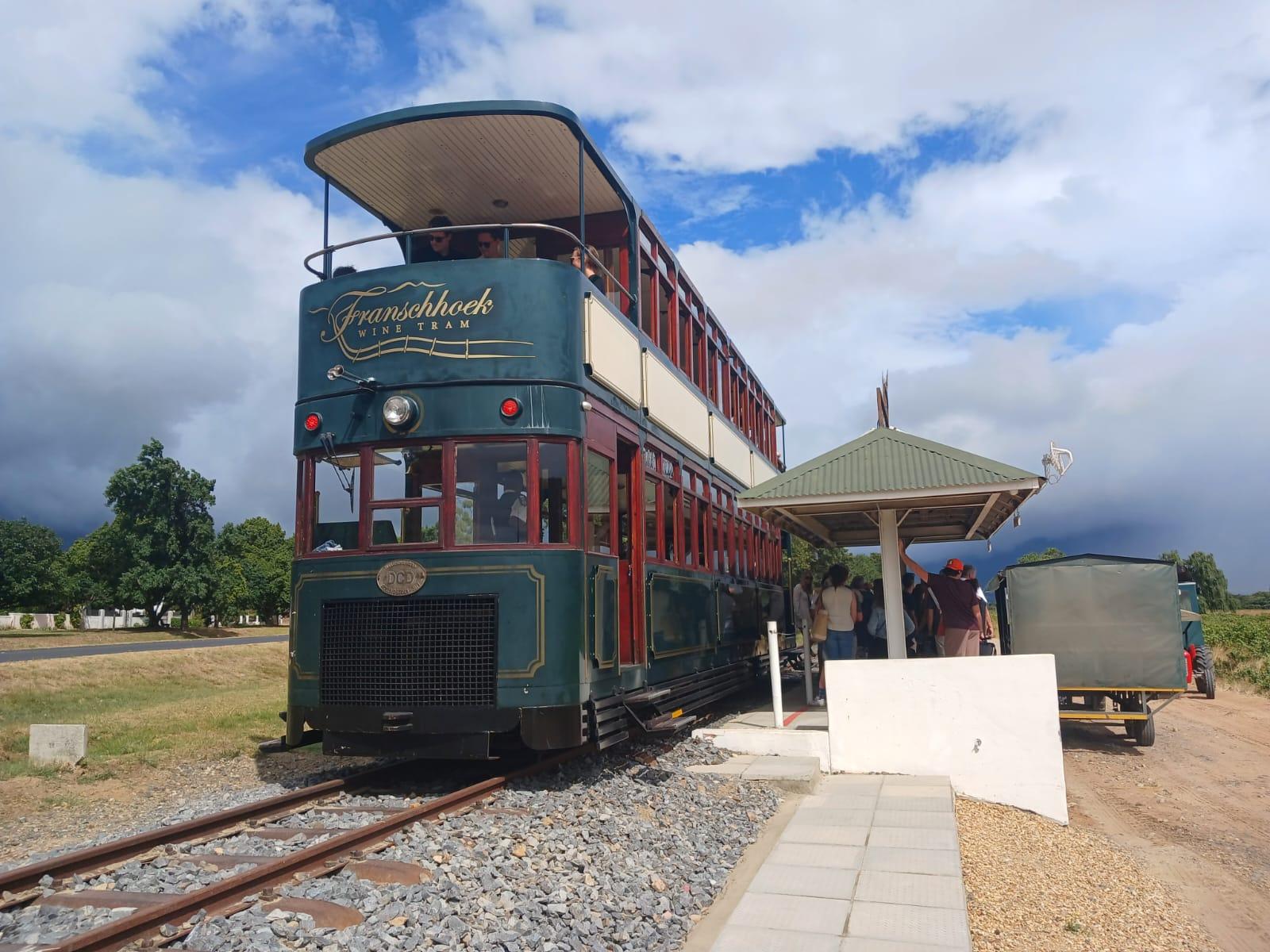
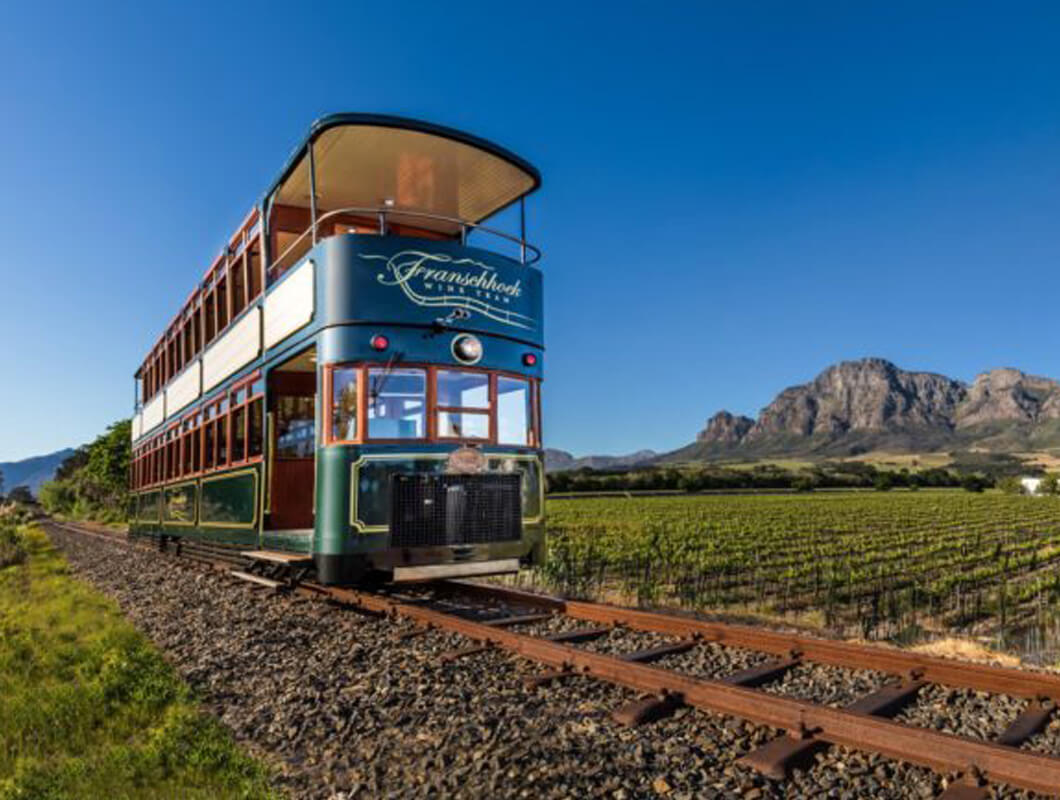
Franschhoek Wine Tram Experience with Cape Town Transfer
|
8 hr 30 min | ★ 4.7 | ✓ | ✓ | ✓ | ✓ | $51 | Book → |
Worth it for curated access and transport
Cape town wine tours half day options deliver concentrated value through expert-led estate selection and included transfers from the city center. Individual wine tastings across Stellenbosch and Franschhoek typically run 80–150 ZAR per person per estate, with no standard gate fee for the broader Cape Winelands region. When you factor in round-trip transport costs (fuel, parking, or ride services easily exceeding 400 ZAR) and the navigation complexity of unfamiliar farm roads, guided half-day experiences make economic sense for visitors without rental cars. The curated itinerary solves the paradox of choice among hundreds of estates, while designated drivers eliminate risk. Independent travelers with vehicles and local wine knowledge can visit estates more cheaply, but first-timers and groups prioritizing convenience over flexibility gain measurable value. Tours departing between 09:00–11:00 avoid midday crowds at popular tasting rooms and capitalize on cooler morning temperatures across the vineyards.
Bottom line: Cape town wine tours half day tickets pay off when transport convenience and curated expertise outweigh the premium over independent estate-hopping.
The half-day option is superior for travelers prioritizing time efficiency, whereas the full-day tour offers a deeper dive into the region's diverse terroir. These cape town wine tours half day tours provide a concise overview of Western Cape viticulture, while full-day alternatives allow for a more leisurely pace across additional estates.
|
Top pick Half-Day Tour |
Full-Day Tour | |
|---|---|---|
| Duration | 4 hours | 8 hours |
| Number of Estates | 2 estates | 3–4 estates |
| Pacing | Fast and focused | Relaxed and immersive |
| In-depth tastings | Standard selections | Extended cellar exploration |
| Cost Efficiency | Higher per hour | Better value for time |
| Travel fatigue | Low | Moderate |
| See tickets & prices |
Verdict: Opt for the cape town wine tours half day tour if your schedule is tight, but select the full-day experience if you wish to secure cape town wine tours half day tickets for a comprehensive cultural immersion.
Hand-picked experiences loved by thousands of travelers
9 hours
Free Cancellation
Discover three renowned wine regions with guided tastings, artisan pairings, and scenic vineyard lunch
5 hours
Free Cancellation
Discover South Africa's premier wine country with tastings at two renowned estates plus scenic township views
5 hours
Free Cancellation
Journey through historic vineyards for wine and cheese tastings at two renowned estates
8 hours
Free Cancellation
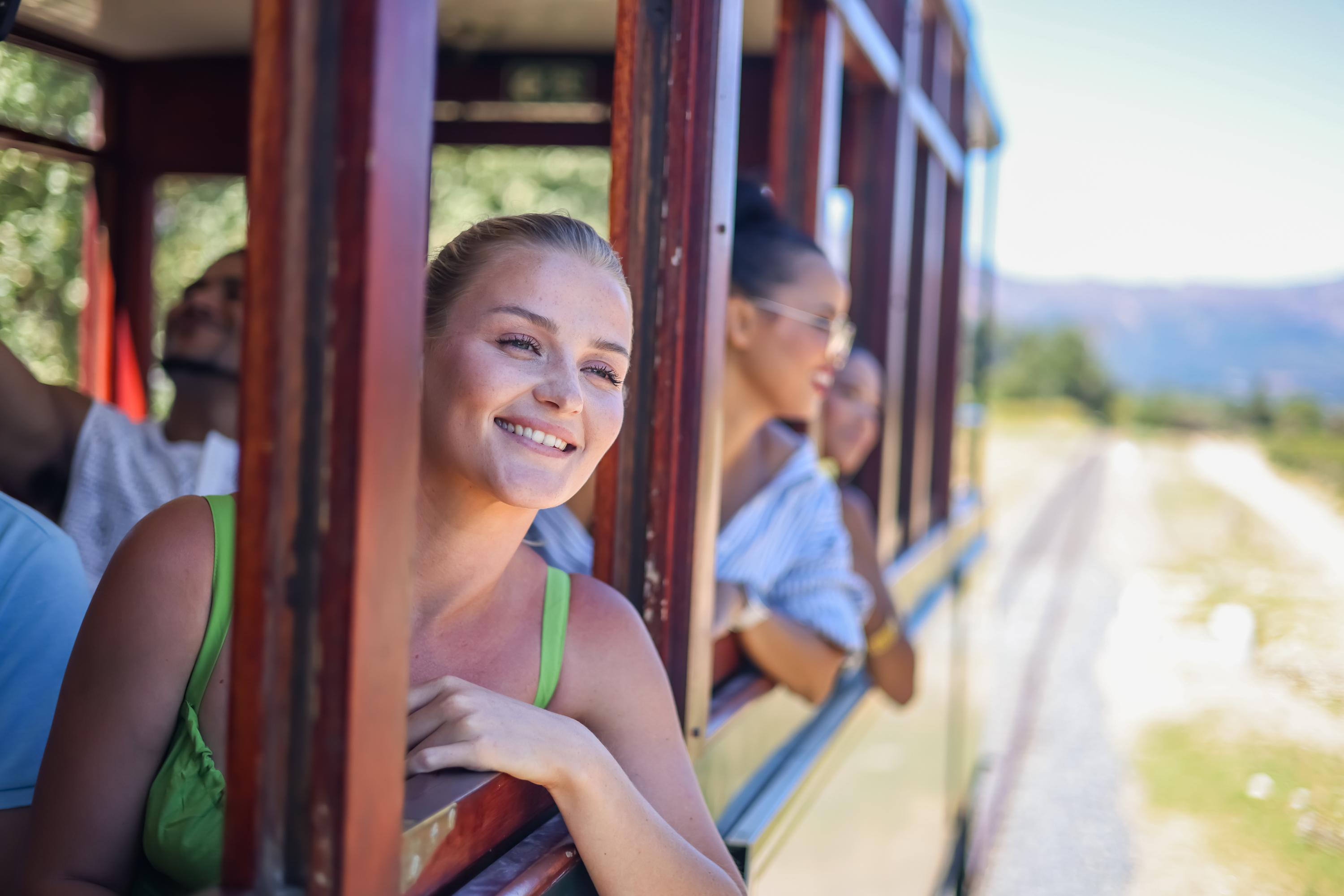
Full-day journey through South Africa's premier wine regions with tastings, historic towns, and scenic tram ride
4 hours
Free Cancellation
Discover South Africa's premier wine country with estate tours, barrel cellar visits, and expert-led tastings
9.5 hours
Free Cancellation
Journey through Stellenbosch and Franschhoek with estate tastings, chocolate pairings, and a scenic wine tram ride
5 hours
Free Cancellation
Discover historic wine estates in Cape Town's scenic Constantia region on this half-day tasting experience
4.5 hours
Free Cancellation
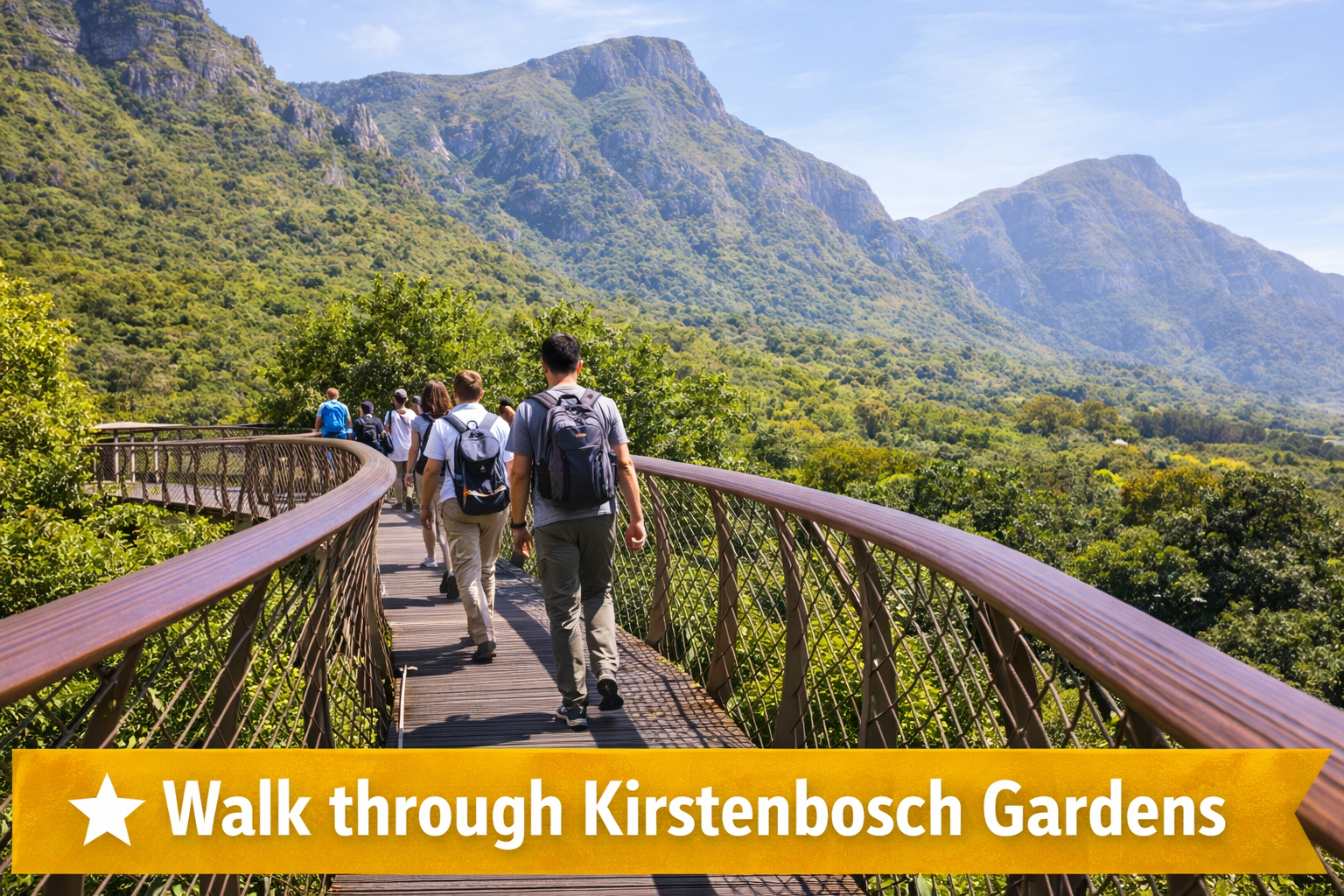
Explore Kirstenbosch's gardens, taste wines in historic Constantia, and see Cape Town from Rhodes Memorial
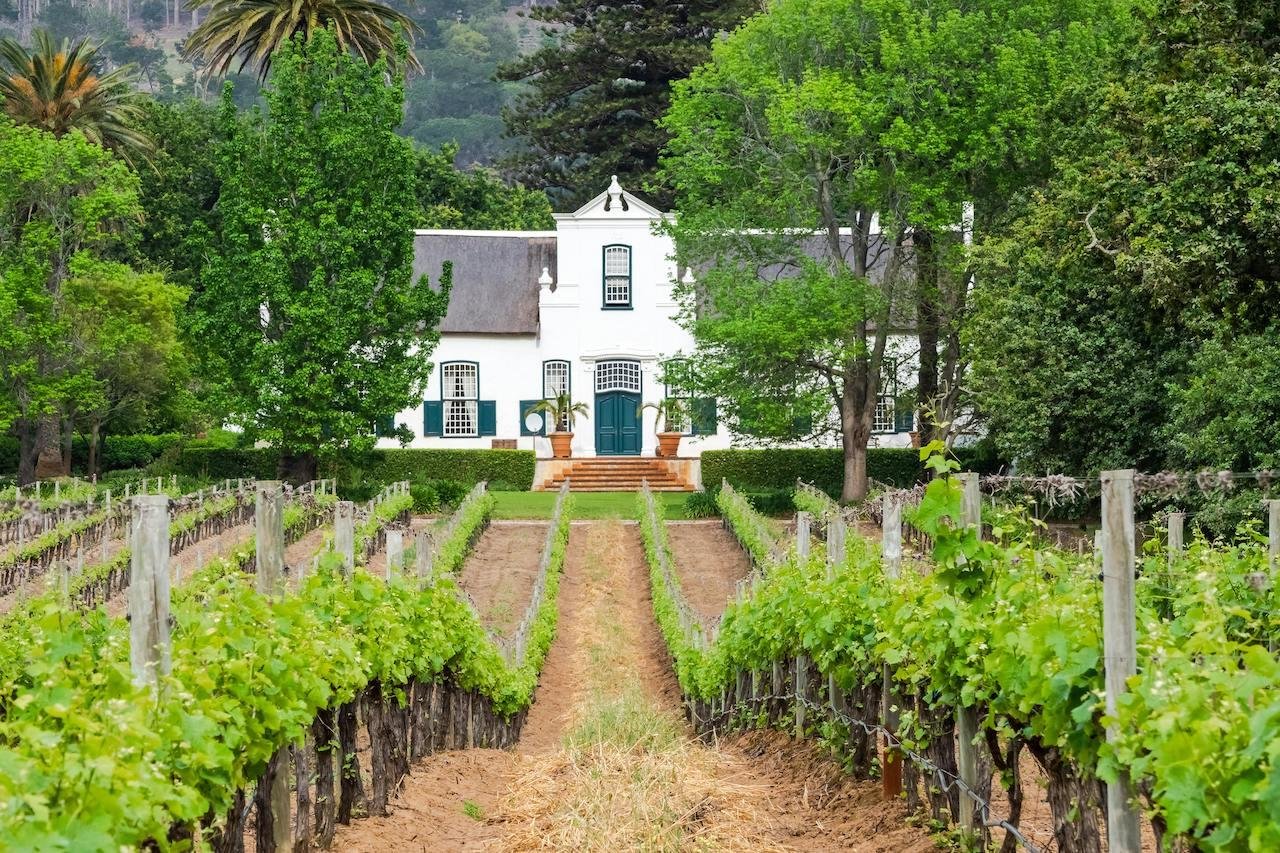
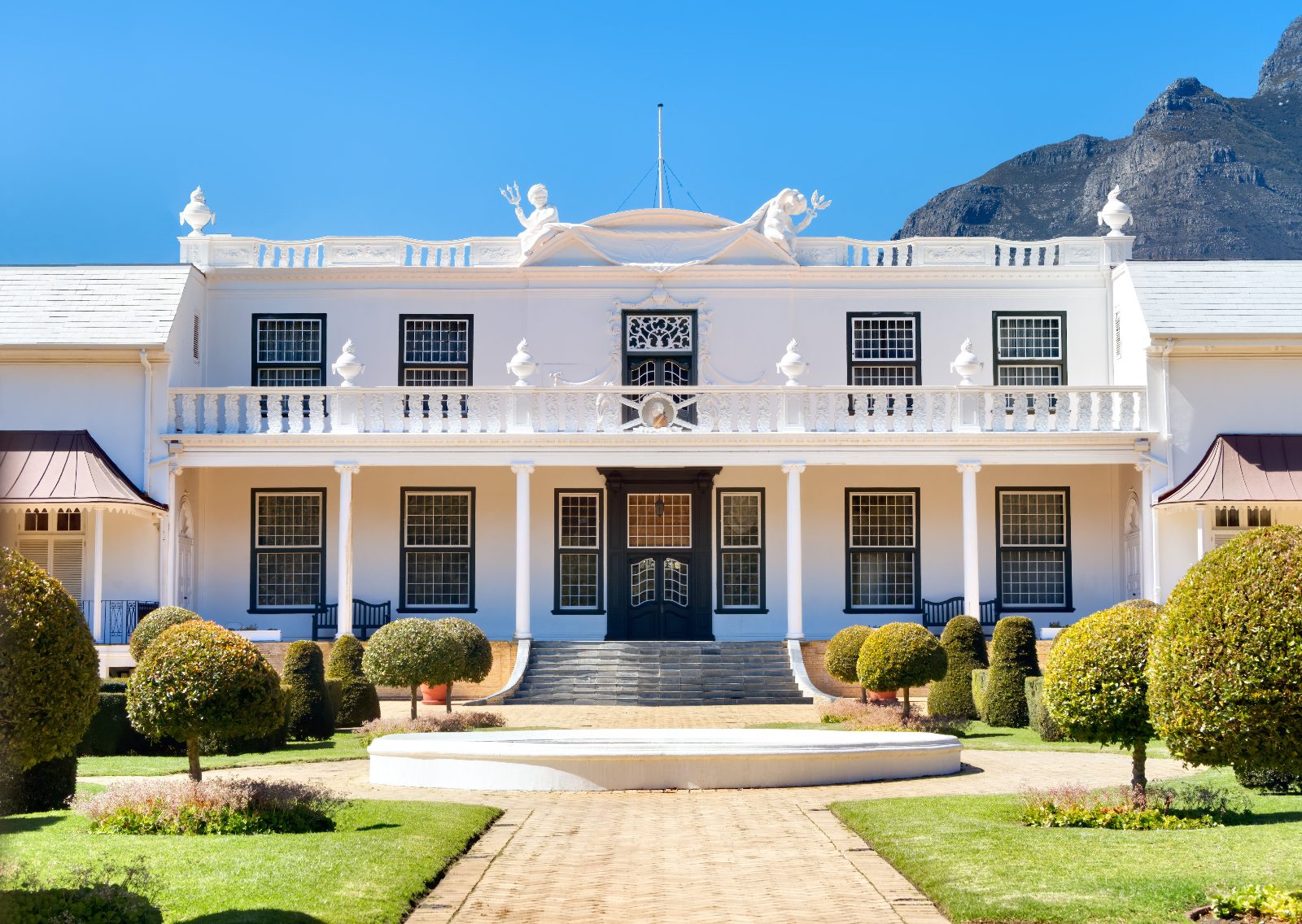
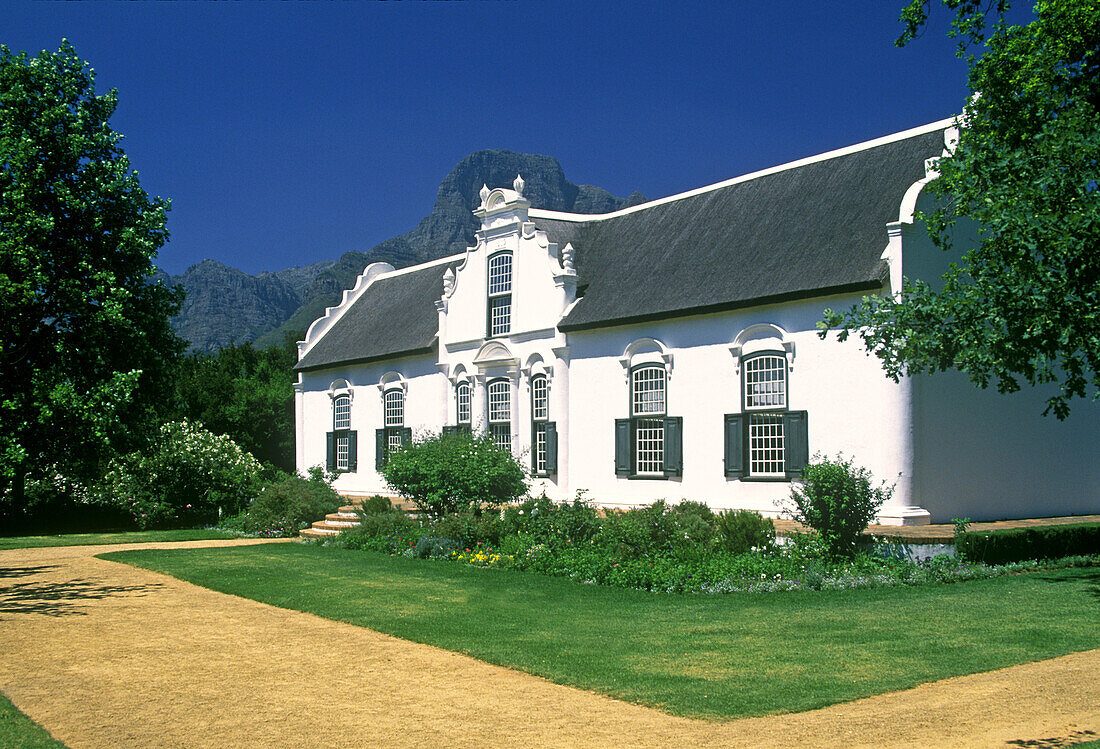
Elegant 17th-century architecture featuring white-washed walls and ornate gables that define the regional aesthetic.
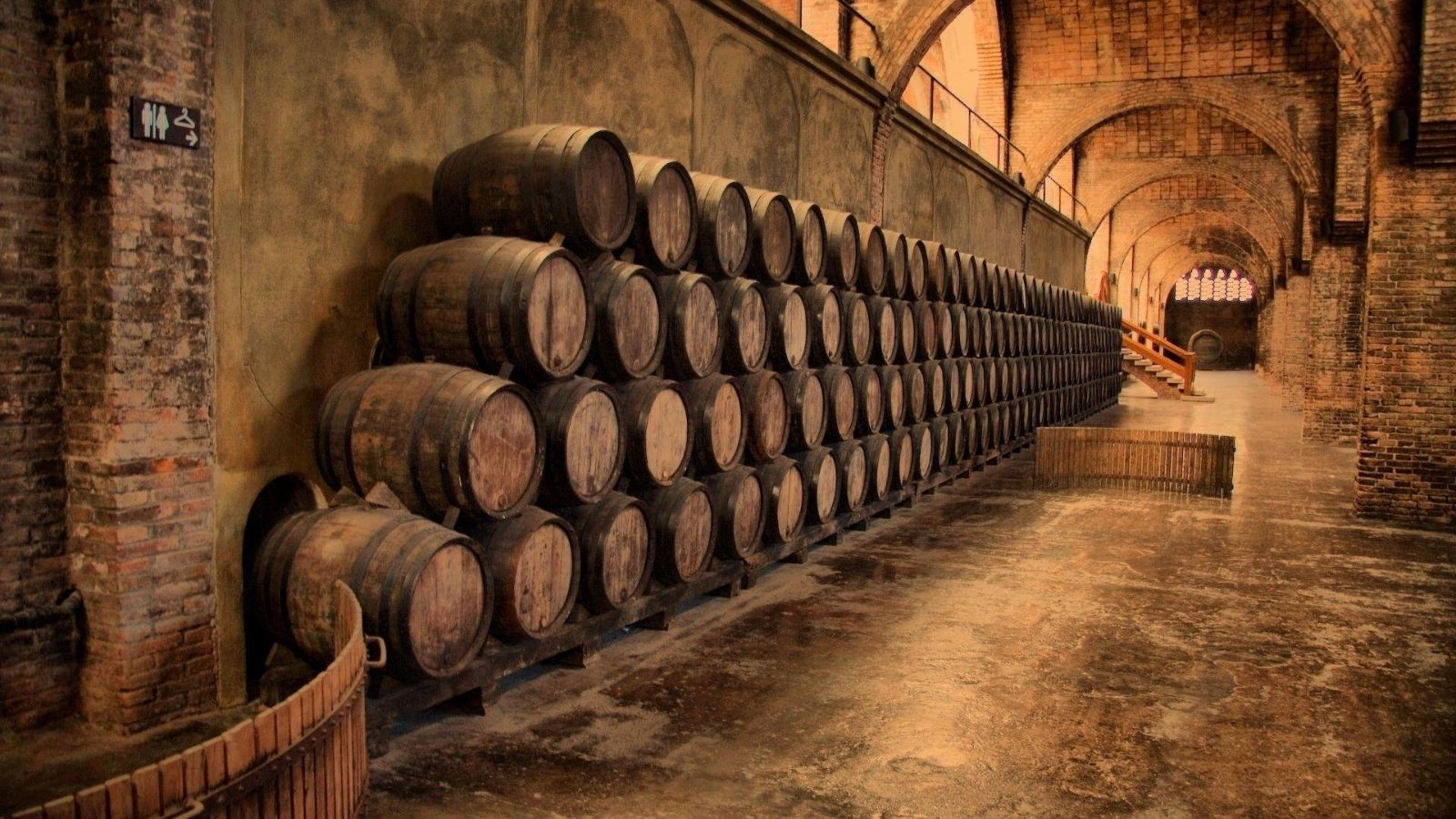
Guided tours through climate-controlled barrels and stainless steel tanks where the winemaking process occurs.
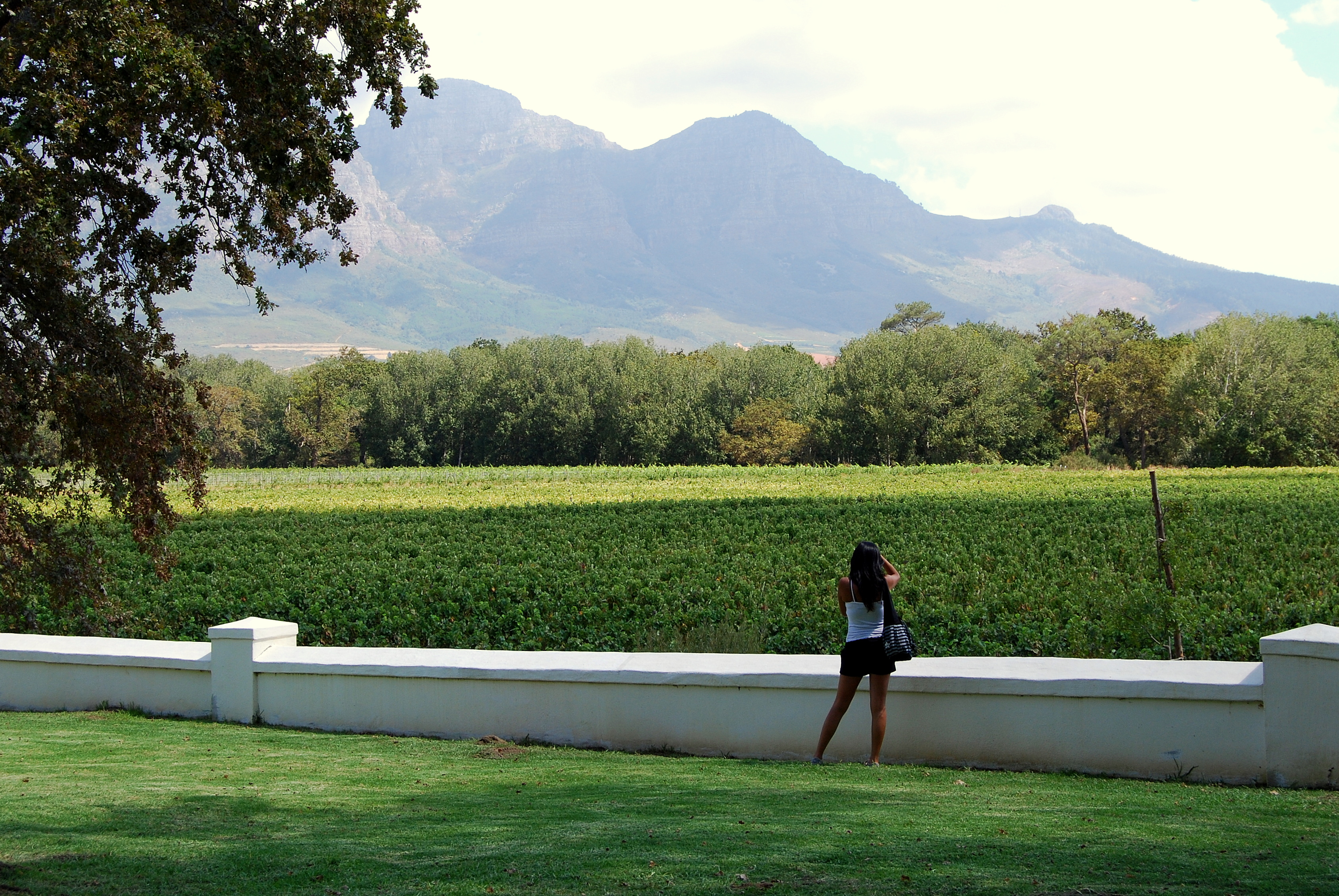
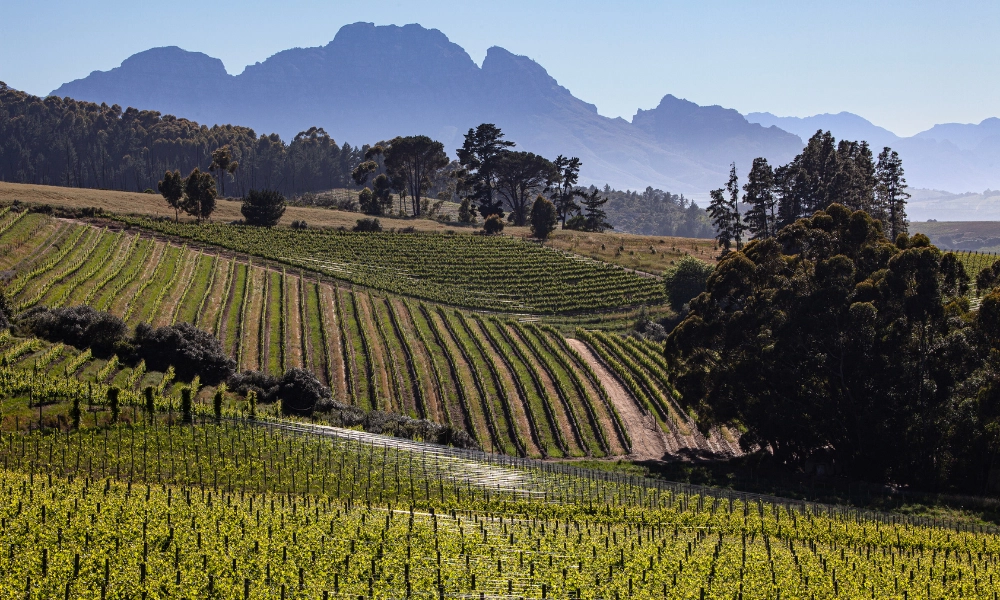
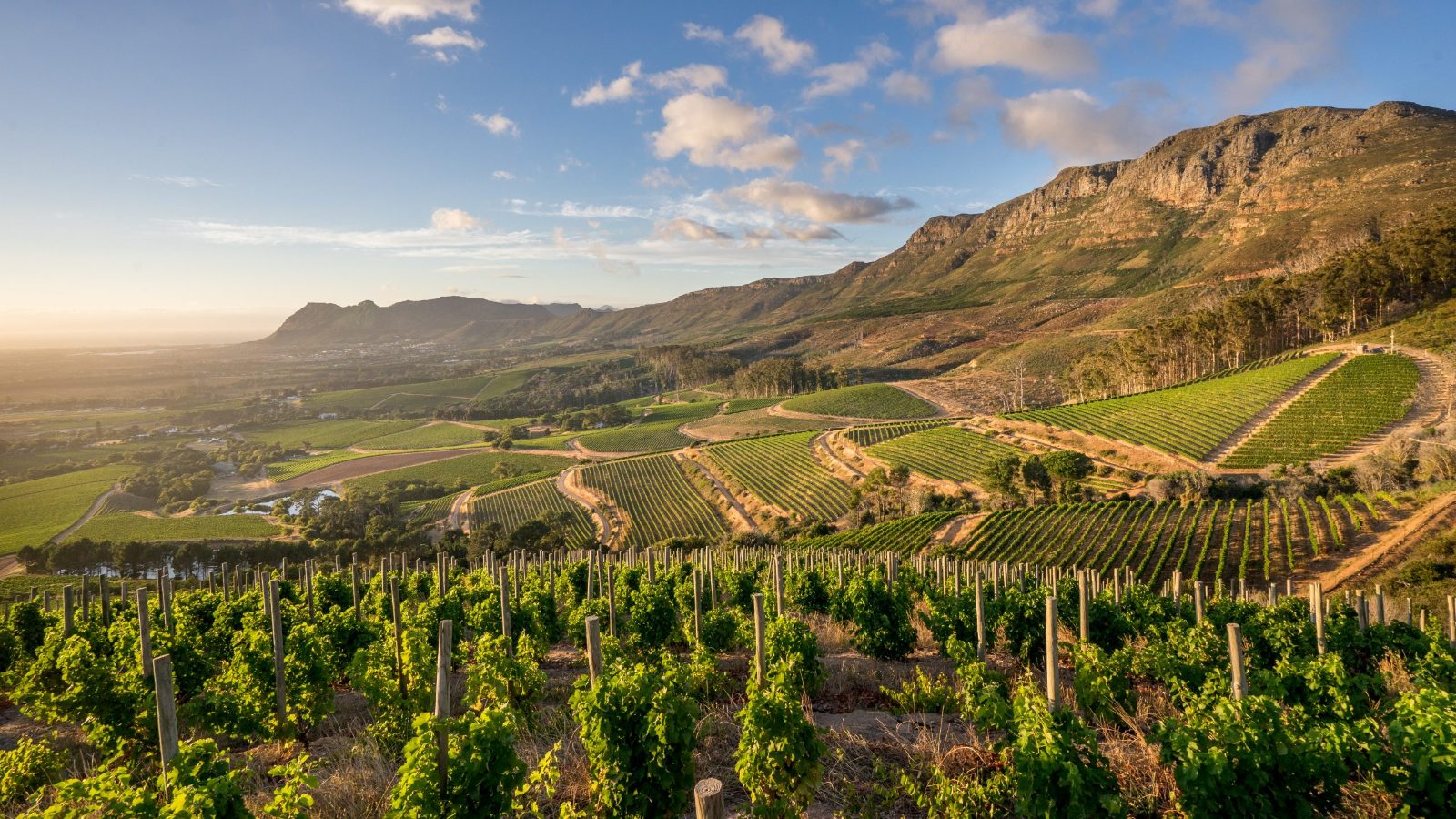
Scenic outdoor areas offering panoramic vistas of surrounding peaks and valley rows.
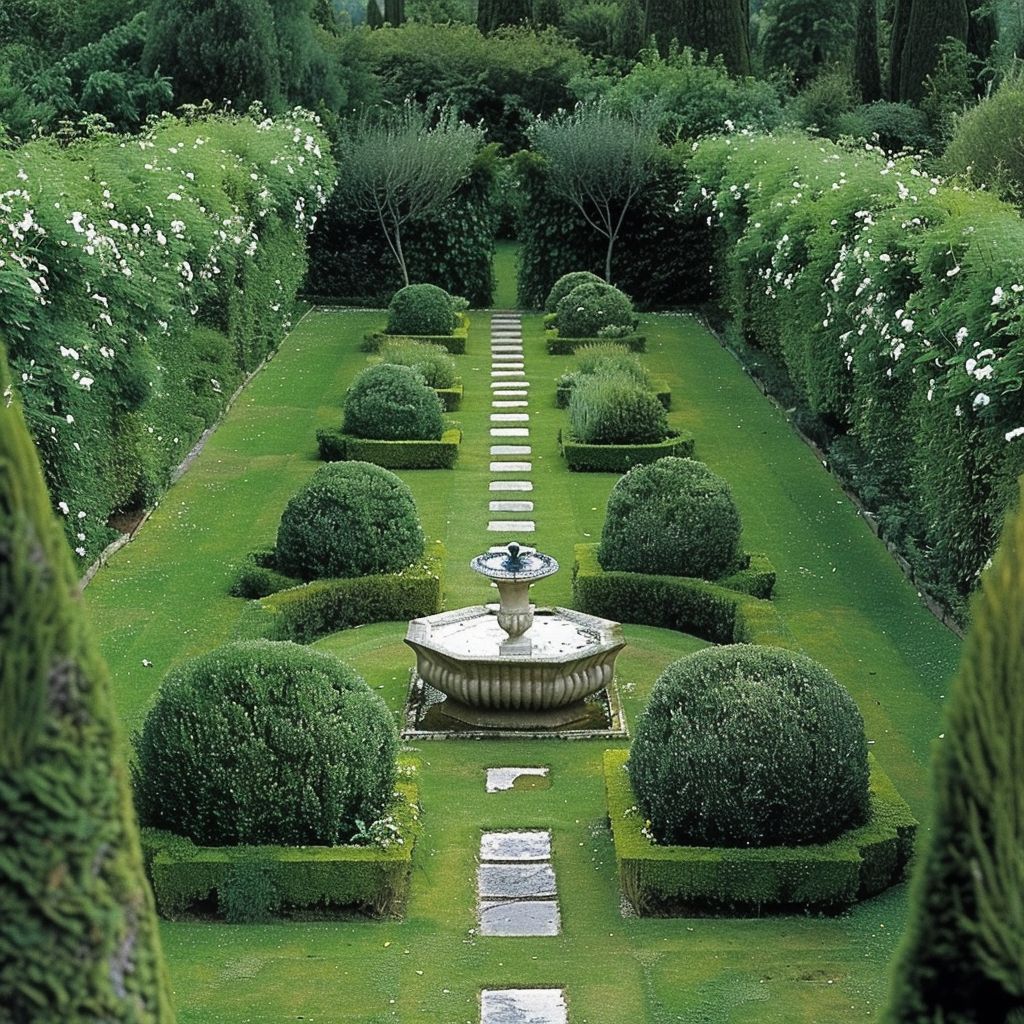
Well-manicured green spaces often featuring local flora and tranquil fountains.
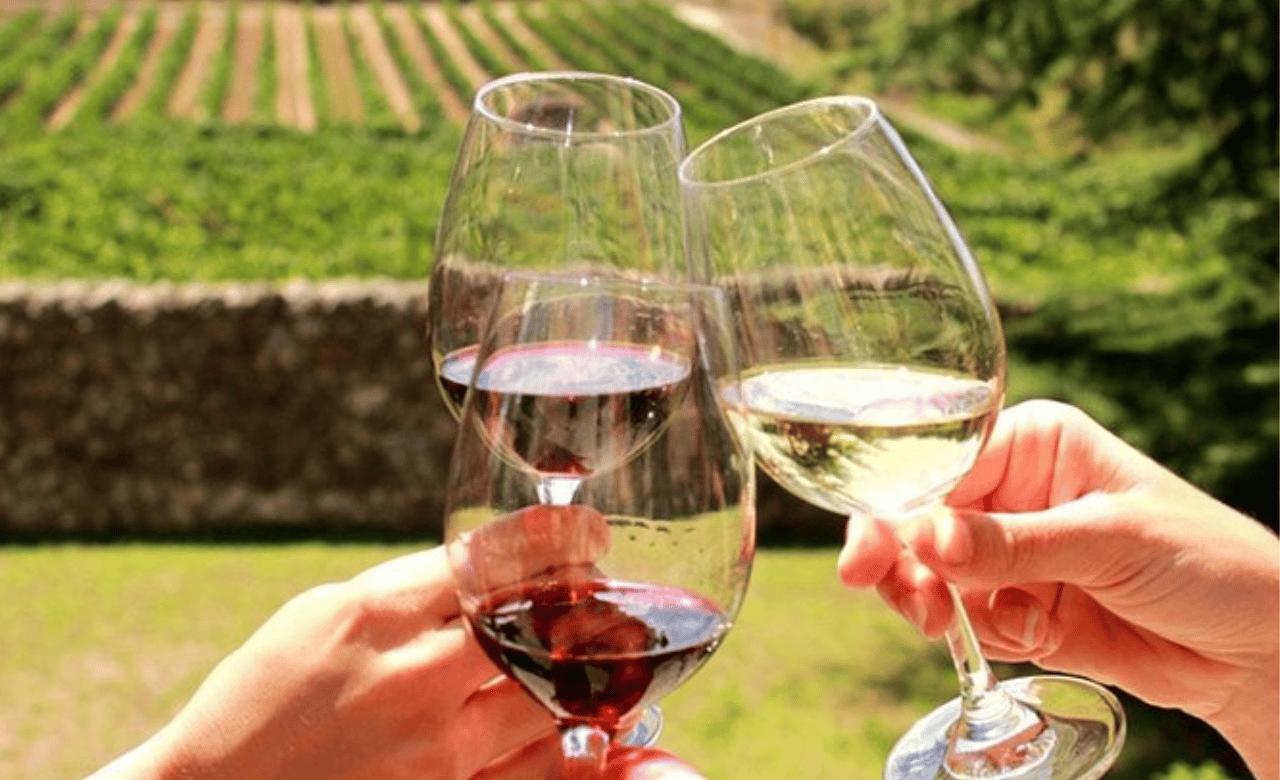
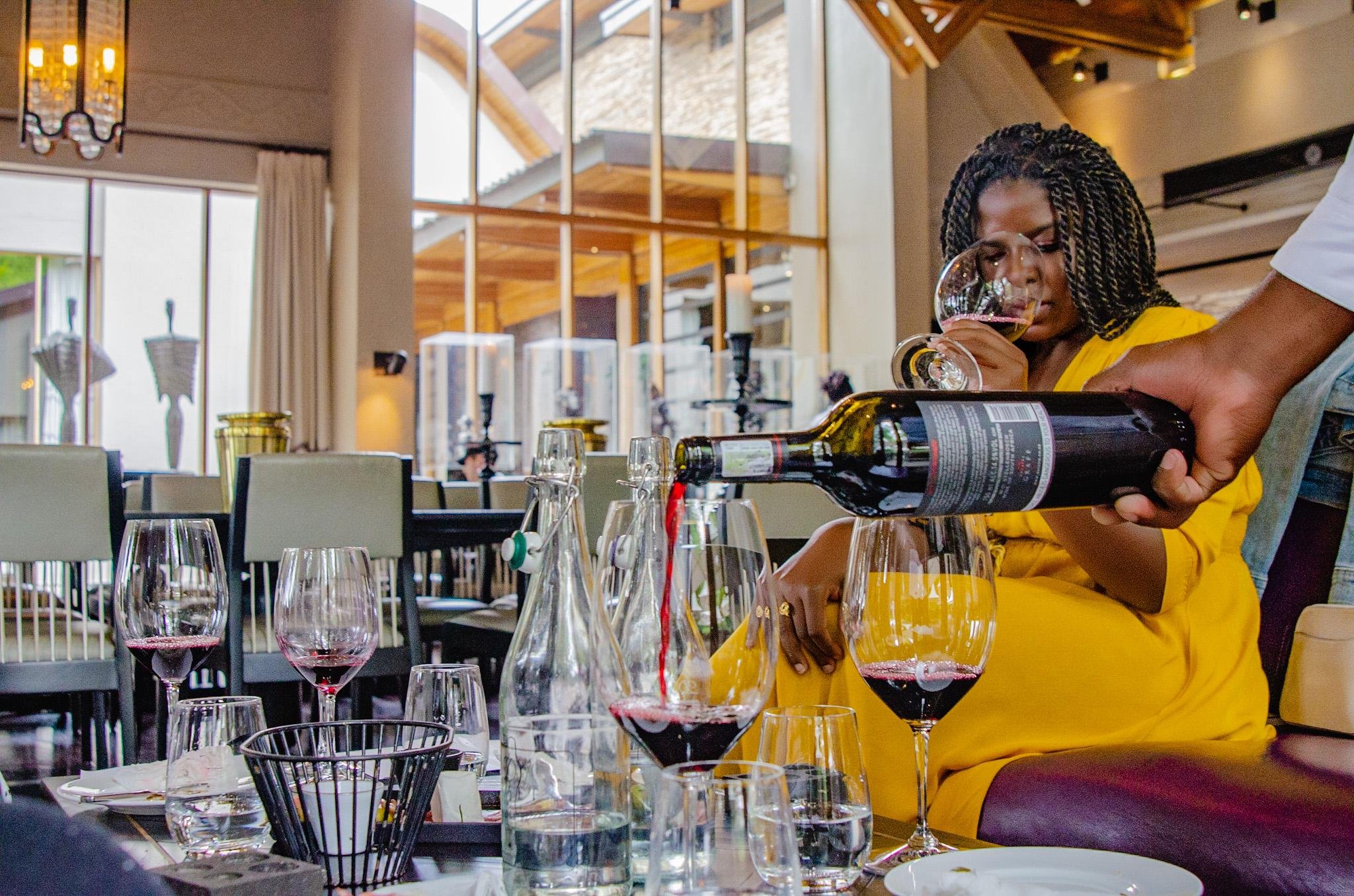
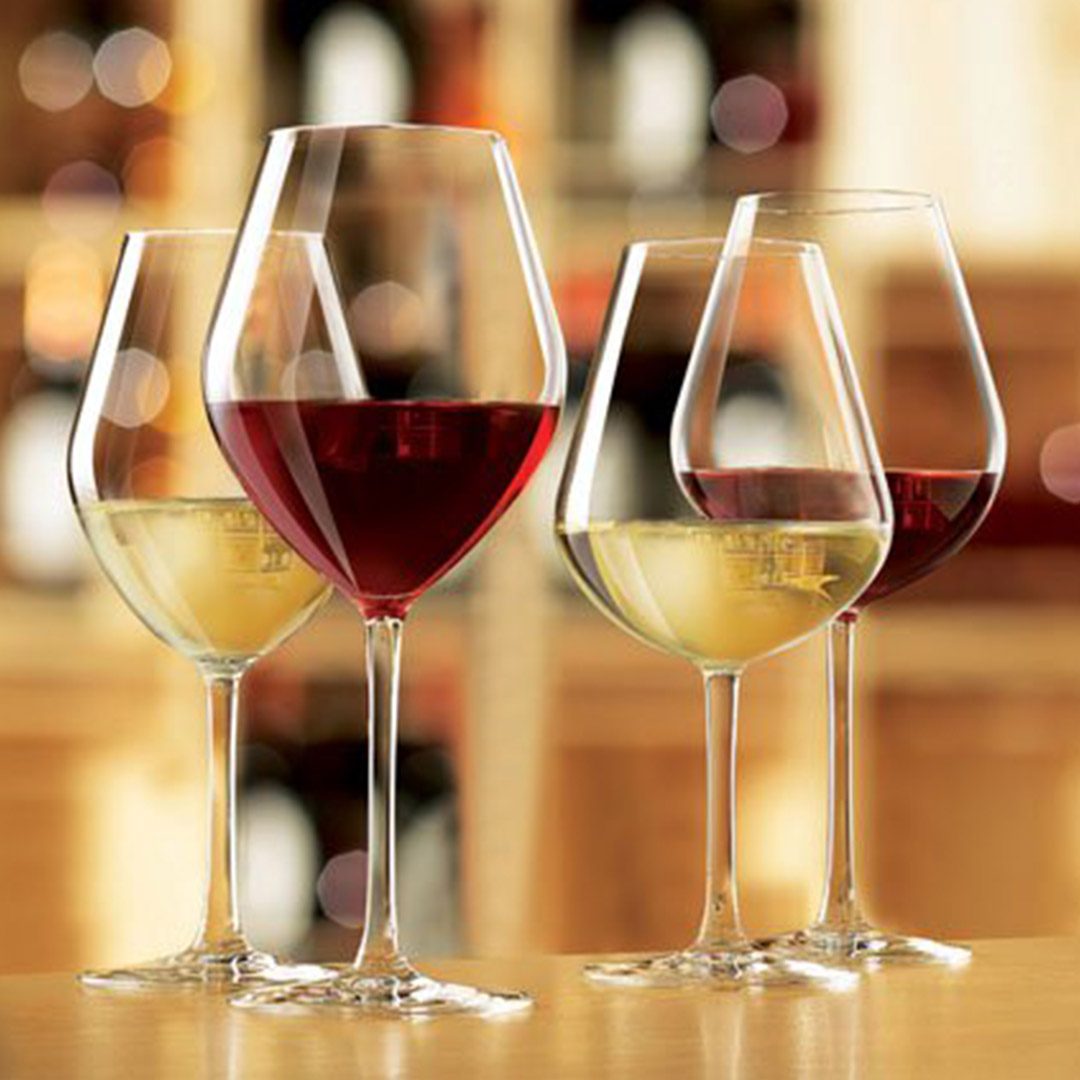
Dedicated spaces for seated tastings featuring flights of local white and red varietals.
You leave Cape Town at 09:00, crossing the Cape Flats on the N2 before the highway curves into the Helderberg foothills. The first estate appears 40 minutes later: a Cape Dutch manor framed by oak trees older than the building itself.
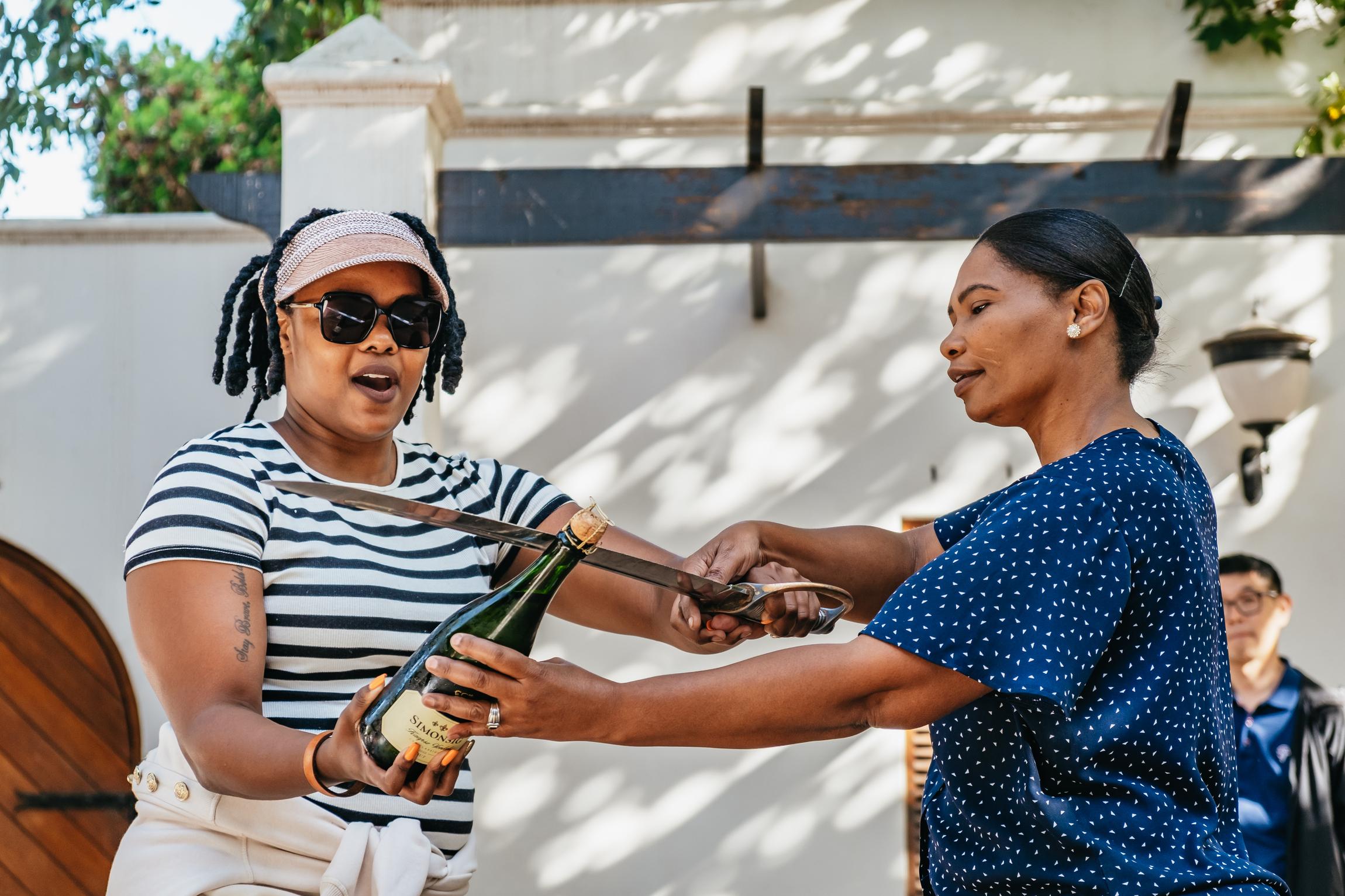
You walk through the cellar — concrete fermentation tanks on one side, French oak barrels stacked three high on the other — and settle at a tasting counter where the host pours five wines in sequence: Sauvignon Blanc, Chenin Blanc, rosé, a Shiraz, and the estate's flagship Bordeaux blend. You swirl, nose, sip, and note the minerality that decomposed granite lends to the white varieties.
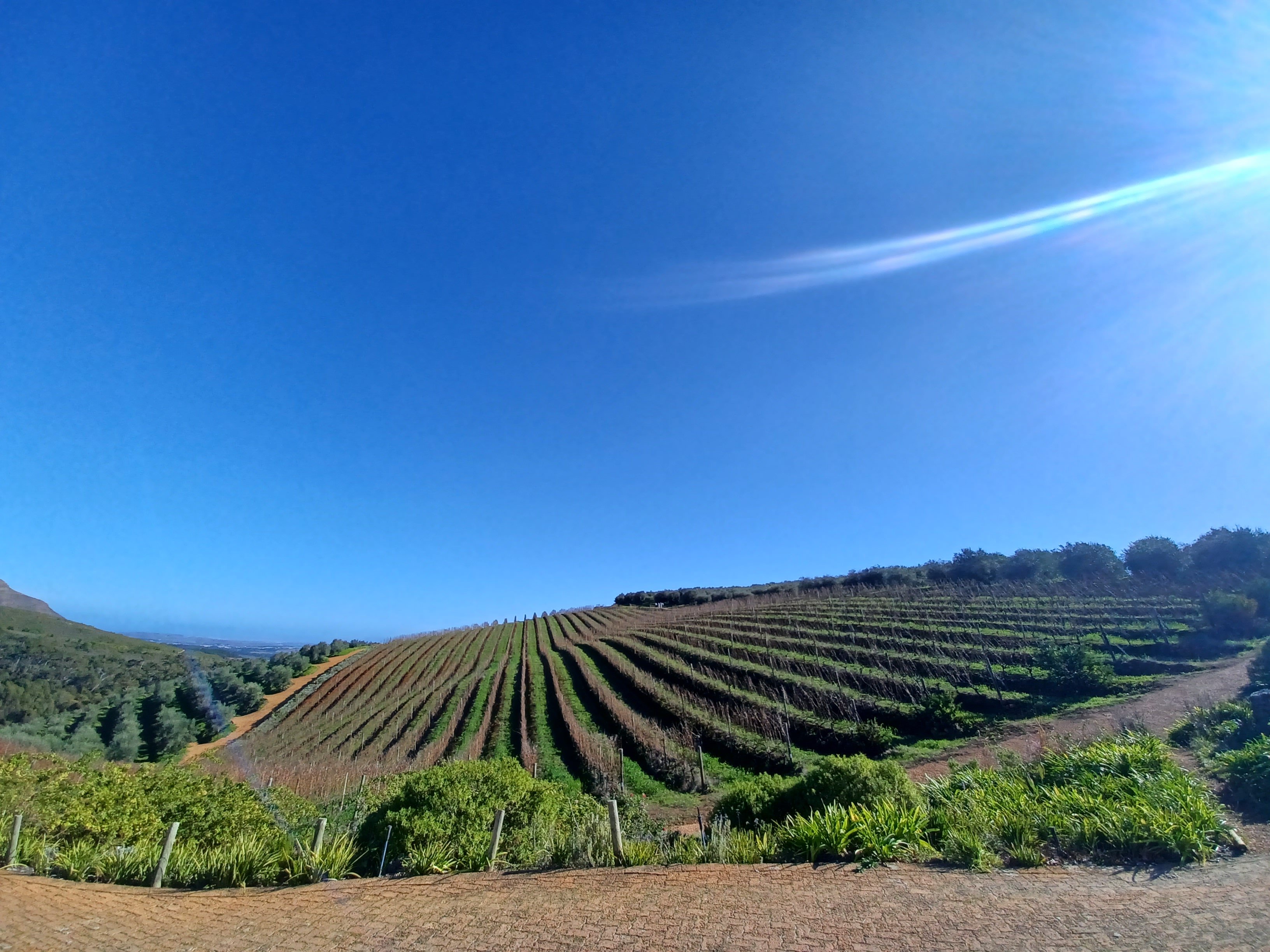
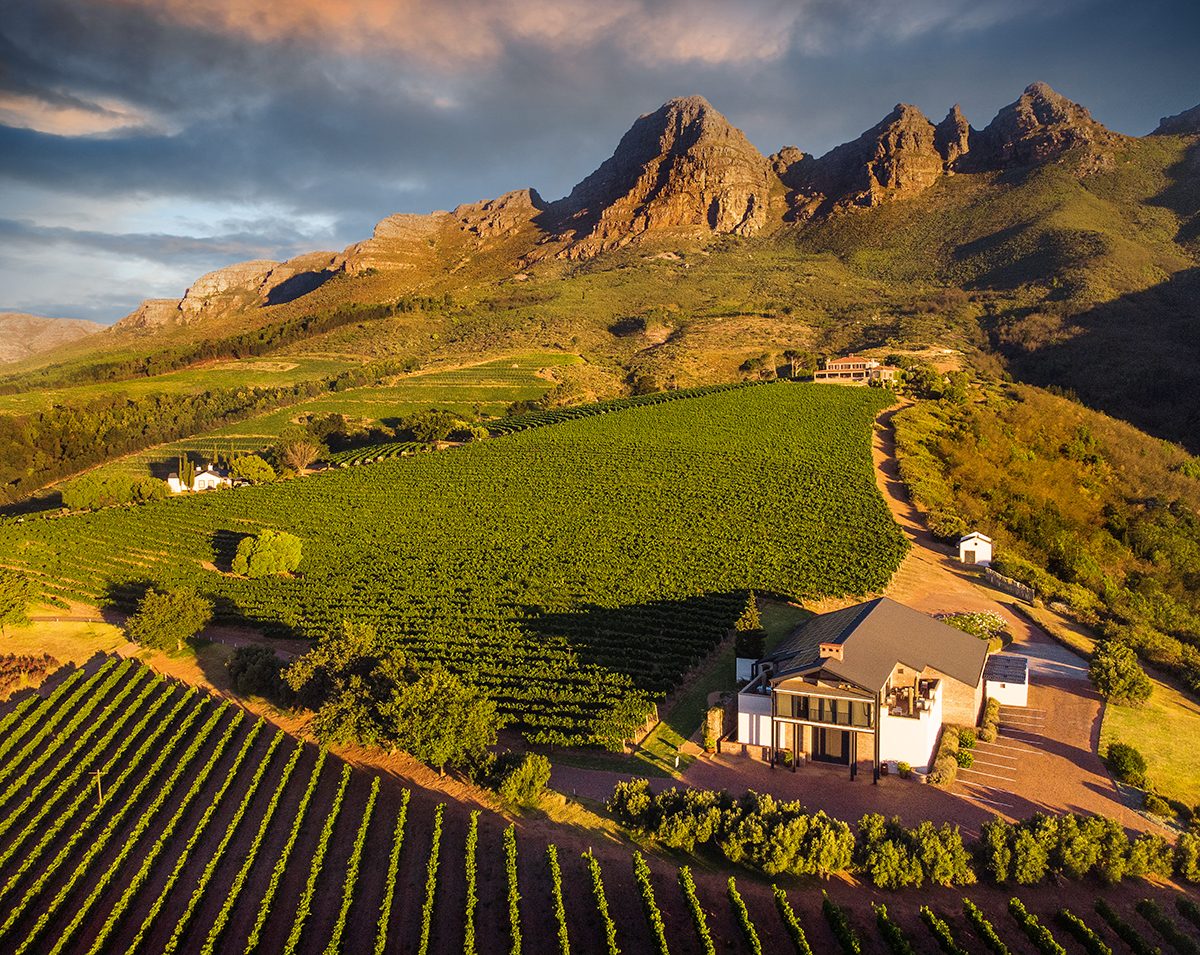
The second stop sits higher in the Stellenbosch hills, where terraced vineyards step down toward False Bay. You taste on a veranda overlooking the valley, comparing a wooded Chardonnay against an unwooded version from the same block. The guide explains aspect and soil: north-facing rows ripen earlier, sandstone drains faster than clay. You return to Cape Town by 13:30, the mountains behind you already losing detail in the afternoon haze. The tastings have been structured, the pours measured, and you leave with tasting notes written on estate-branded cards.
All the details about your upcoming adventure in one place
The Cape Winelands produce more than 90% of South Africa's wine from valleys that have pressed grapes continuously since 1685.
Stellenbosch alone manages 150 working estates across 16,000 hectares of decomposed granite and Table Mountain sandstone soils, while Franschhoek — the French Corner — retains the Huguenot place names that French Protestant refugees carried into the valley three centuries ago. These half-day itineraries concentrate on the historic core: estates like Boschendal, Tokara, and Delaire Graff that anchor the region's reputation for Chenin Blanc, Pinotage, and Bordeaux-style blends.
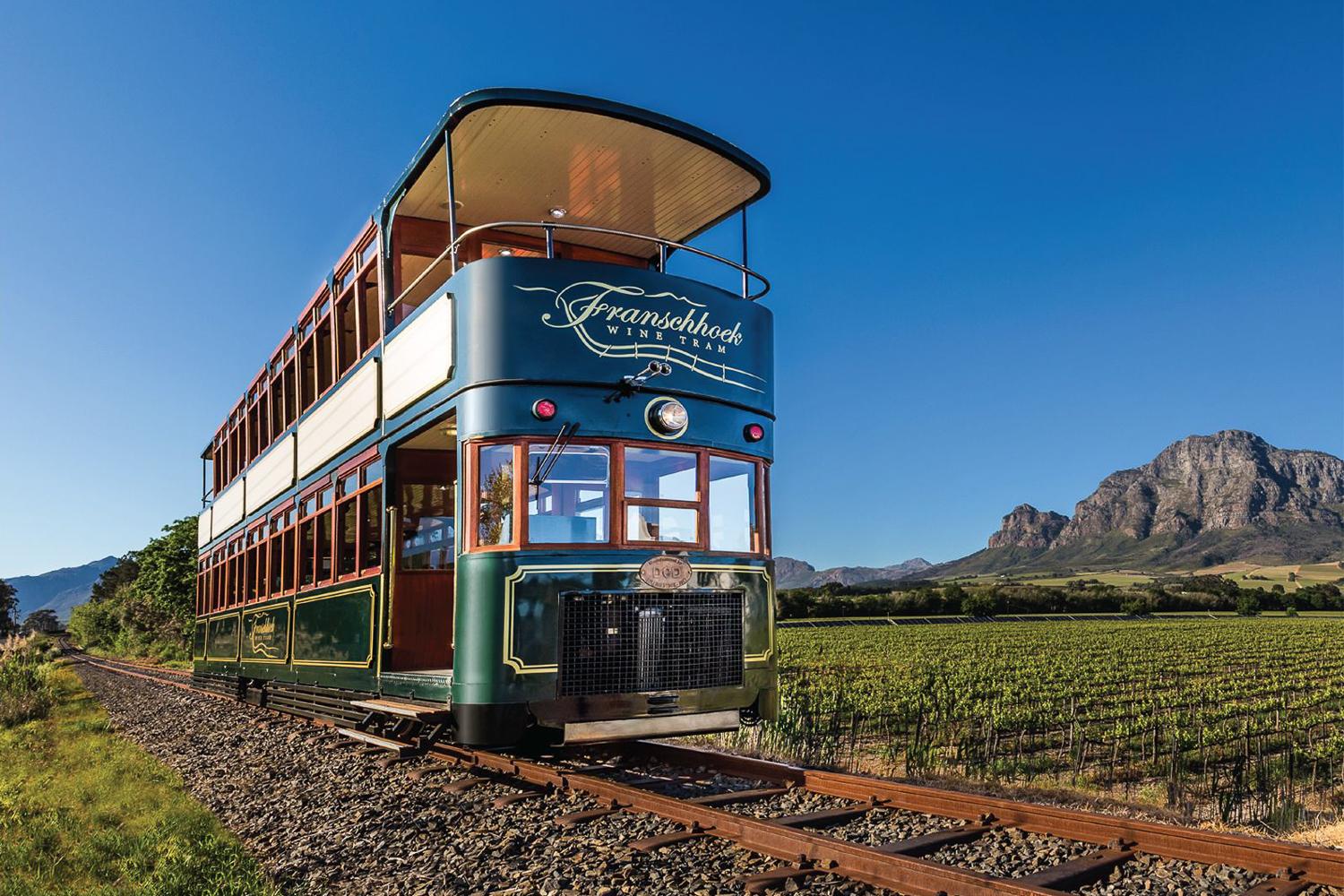
The Cape Winelands lie 40 kilometres east of Cape Town, accessible via the N2 and R44 corridors that thread through False Bay and the Helderberg basin. Stellenbosch, the oldest town after Cape Town itself, was surveyed in 1679 and remains the architectural and viticultural centre of the region. Its whitewashed Cape Dutch homesteads — gabled facades, teak shutters, yellowwood beams — face oak-lined avenues planted in the 1830s. Franschhoek occupies a narrower valley hemmed by the Drakenstein and Franschhoek ranges, where altitude and aspect create mesoclimates that favour Chardonnay and Semillon. The wine tram, introduced in 2012, loops through the valley on vintage rail carriages repurposed from the original 1904 line that once hauled fruit to the Cape Town docks.
Modern Cape Winelands tours operate from 09:00 to 17:00 daily, with most providers collecting passengers from central Cape Town hotels. The standard half-day format visits two to three estates, allocating 45 minutes per cellar for structured tastings of four to six wines. Estate fees are unbundled: while tour transfers and guiding are prepaid, individual tastings range from 50 to 150 rand per flight, depending on the cellar's prestige and the vintage selection. Stellenbosch wine region half-day tour itineraries prioritize accessibility and variety, pairing established names with boutique cellars that accept walk-ins only through advance booking. Franschhoek's topography — steeper slopes, narrower roads — favours full-day itineraries, though the wine tram offers a structured half-day alternative for visitors willing to forgo Cape Town transfers.

The Cape Winelands produce more than 90% of South Africa's wine from valleys that have pressed grapes continuously since 1685.
Smart casual attire is recommended for cape town wine tours half day outings. Comfortable walking shoes are advised for traversing vineyards and cellar floors.
Small personal bags are permitted on most cape town wine tours half day excursions. Large luggage or bulky equipment is generally not accommodated on shuttle vehicles.
Photography is encouraged throughout the estates visited on cape town wine tours half day experiences. Always ask permission before capturing close-up photos of staff or private fermentation rooms.
While cape town wine tours half day programs focus on viticulture, many estates offer expansive lawns for children. Always verify the age policy for specific wine-tasting venues in advance.
Accessibility varies significantly by estate within the Cape Winelands. Some historic cellars have stairs, while modern tasting rooms are designed for full mobility access.
Outside food is not permitted at tasting rooms. Consumption of alcoholic beverages is restricted to designated tasting areas for those of legal drinking age.
Opening Hours
09:00–17:00
Address
Cape Winelands, Western Cape, South Africa
Wheelchair Access
Variable by estate
Best Arrival
09:00–11:00
Storage
Not available on tours
Region
Western Cape, South Africa
Car · 1h · Cost varies by rental
Rental vehicles provide the most flexibility for exploring diverse estates.
Taxi · 1h · Varies by distance
Private transfers or ride-share apps are recommended for safe vineyard hopping.
Full refunds are typically provided for cancellations made at least 24 hours in advance. Please note that while the entrance fee is 0 ZAR, individual estates charge per wine tasting which may be non-refundable if booked as a private group.
Recommended time
4-5 hours
To experience the region effectively, allocate a morning for your cape town wine tours half day. Following the best arrival window of 09:00–11:00 helps you avoid the mid-day tour bus crowds and heat while exploring local vineyards. These cape town wine tours half day tours provide sufficient time for cellar visits and tasting experiences before the afternoon surge. You may need extra time if you plan to visit multiple estates or enjoy a leisurely lunch, as these cape town wine tours half day tour options typically require 0 ZAR gate entry, with costs applied per tasting.
Crowd levels through the day
Weather · crowds · average price — dots go green to amber to red as each metric rises.
September to November offers blooming flowers and mild temperatures for cape town wine tours half day visits.
December to February is peak season with warm, dry weather perfect for outdoor vineyard views.
March to May provides cooler air and the vibrant foliage of the harvest season.
June to August is quieter with occasional rainfall, ideal for cozy fireplace tastings.
Secure your cape town wine tours half day tour dates early during the busy summer months.
Focusing on two to three vineyards ensures a relaxed cape town wine tours half day experience without rushing.
Drink water between tastings to maintain a comfortable pace during your excursion.
Ensure your cape town wine tours half day tickets include return transit to your specific accommodation.
Most estates offer shipping services if you wish to purchase bottles during your visit.
The Cape Winelands trace their origins to 1655, when Jan van Riebeeck pressed the first Cape grapes into wine at the Dutch East India Company's supply station. Governor Simon van der Stel elevated viticulture from subsistence to industry when he founded Constantia in 1685, planting Muscat de Frontignan on slopes that would soon yield the most coveted dessert wine in Europe. By the 1780s, Groot Constantia's sweet wines reached the tables of Napoleon, Frederick the Great, and Jane Austen's heroines. The Napoleonic Wars and British annexation in 1806 opened London markets, but phylloxera struck in 1886, decimating vineyards across Stellenbosch and Paarl. Replanting on American rootstock took decades, and by 1918 cooperative cellars dominated a industry rebuilt for volume, not prestige. Apartheid-era sanctions isolated Cape winemakers from international trends until 1994. Liberation coincided with a quality revolution: new clones, temperature-controlled fermentation, and French oak replaced the old brandy-and-bulk model. Stellenbosch reclaimed its reputation through Bordeaux blends and site-specific Chenin Blanc. Today's cape town wine tours half day itineraries reflect that dual heritage—visitors taste both the honeyed Constantia Muscat that entranced 18th-century aristocrats and the cool-climate Syrah from Hemel-en-Aarde that wins Decanter medals. The half-day format arose in the early 2000s as operators realized foreign tourists wanted concentrated estate visits without the fatigue of an all-day rural circuit. Modern cape town wine tours half day tickets bundle cellar-door tastings, vineyard walks, and food pairings into four-hour loops, preserving time for the city's other attractions while anchoring travelers in the terroir that built the Cape's earliest economy.
Jan van Riebeeck produces the first wine from Cape grapes at the Dutch settlement.
Simon van der Stel founds Constantia estate, establishing viticulture as a commercial enterprise.
Groot Constantia dessert wines achieve international fame, exported to European royal courts.
Phylloxera devastates Cape vineyards; replanting on resistant rootstock begins slowly.
Formation of the KWV cooperative shifts focus to brandy and bulk production.
End of apartheid sanctions opens export markets; quality-focused replanting and modernization accelerate.
Half-day wine tour operators emerge to serve short-stay international visitors seeking curated estate experiences.
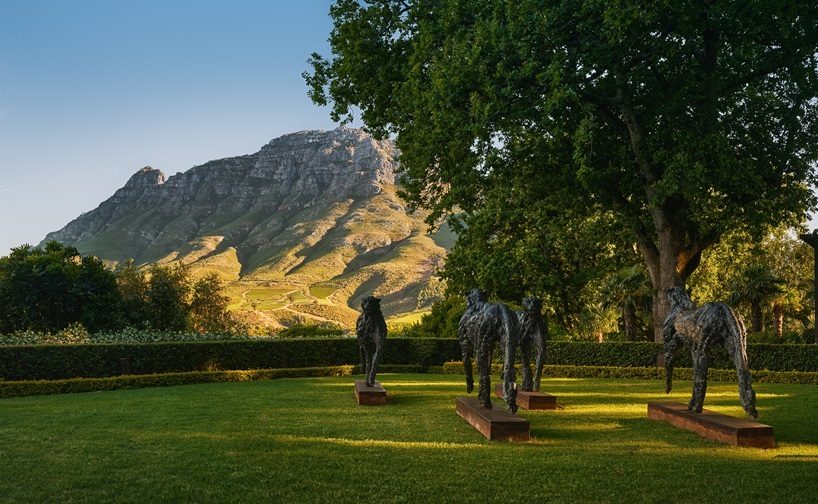
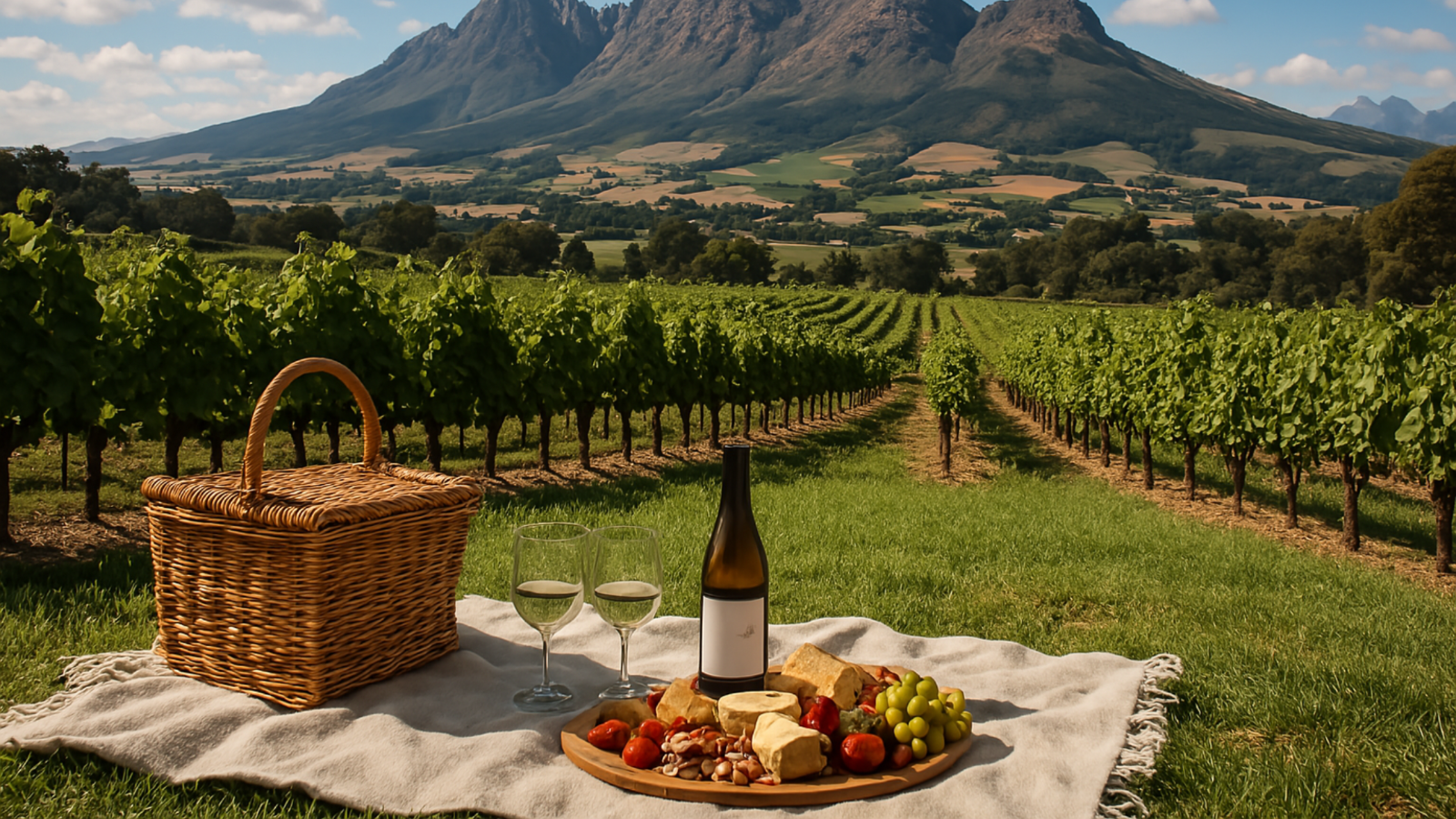
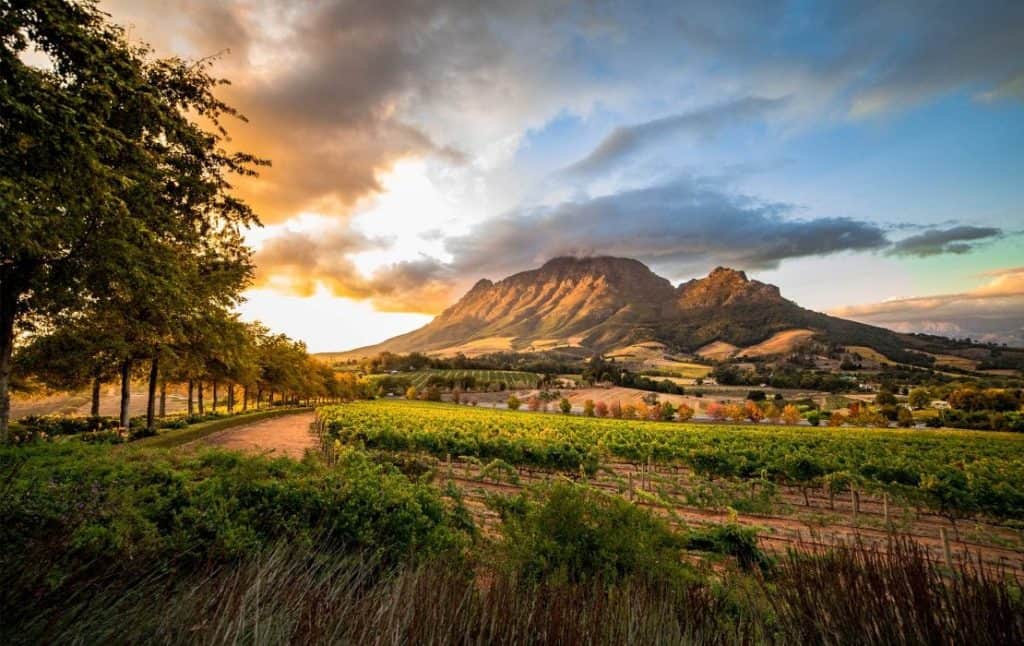
Stand near the bronze cheetah sculptures for a clear view of the Simonsberg mountains behind the vineyards. This vantage point is a popular feature of any cape town wine tours half day.
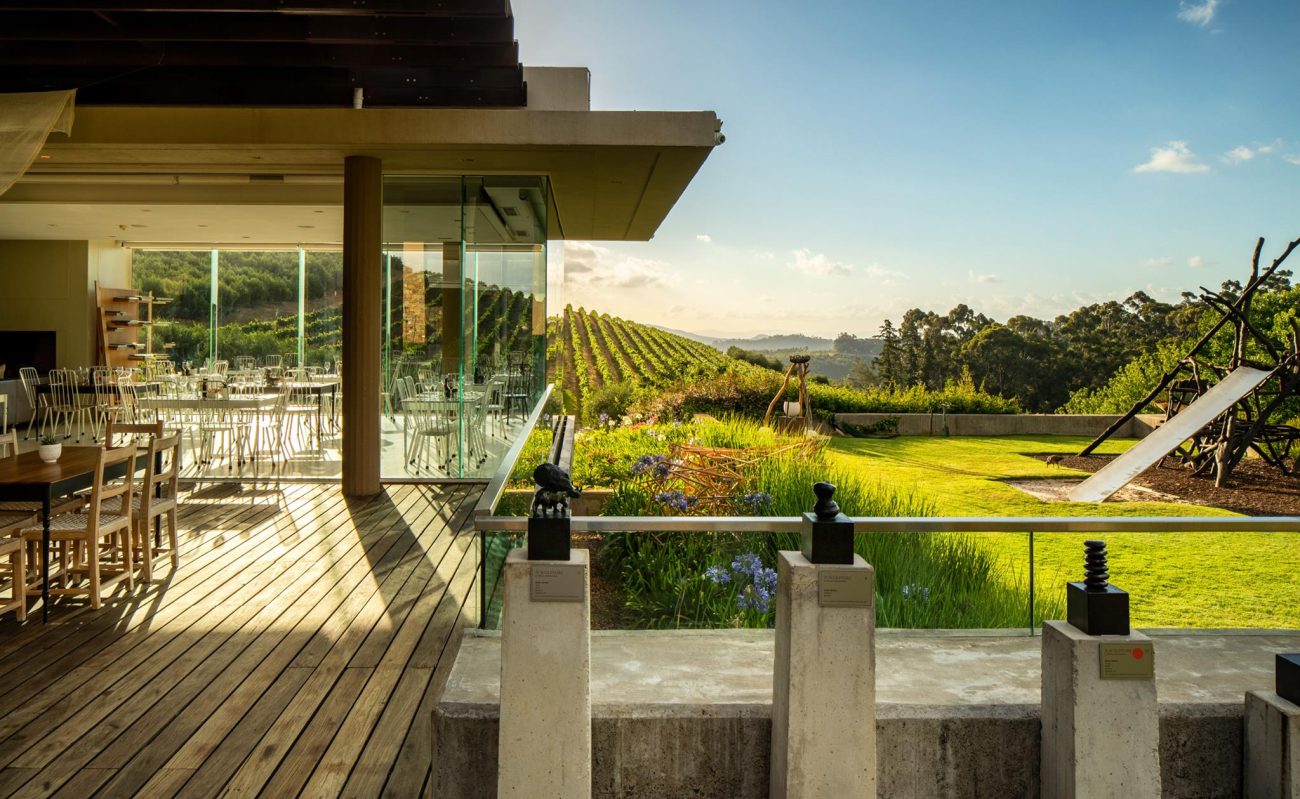
Position yourself at the edge of the terrace to capture the panoramic sweep of the Helshoogte Pass. This angle showcases the modern architecture alongside the expansive valley floor, often included in a cape town wine tours half day tour.
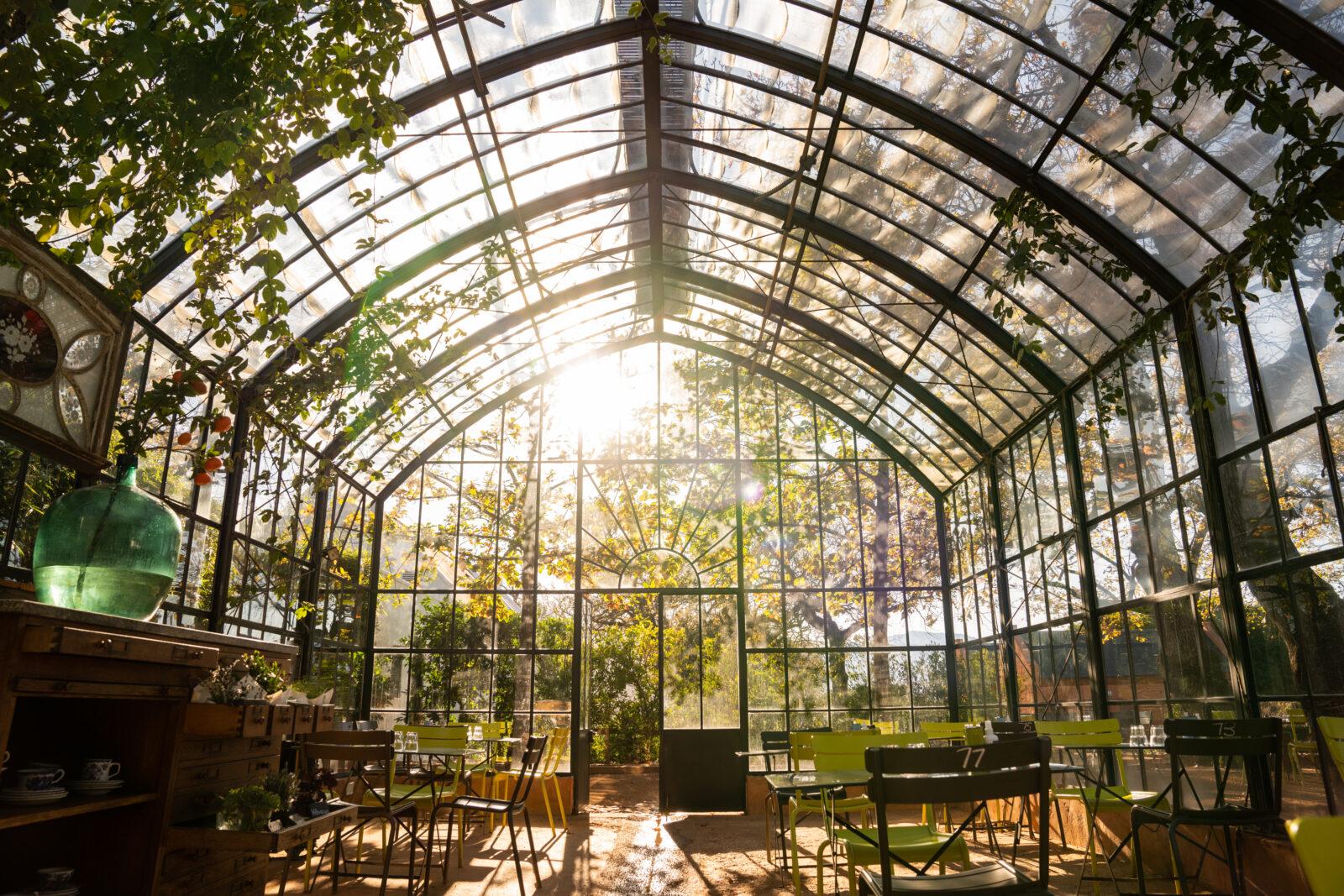
Focus on the glass structure surrounded by formal gardens and structured rows of citrus and vines. Photographers prefer this spot when seeking symmetry for their cape town wine tours half day tickets imagery.
Frame the white-washed Cape Dutch gables against the backdrop of the Drakenstein mountains. Access is open to the lawns surrounding the historic estate building.
Planning cape town wine tours half day with your family requires choosing estates that balance adult interests with outdoor space for children. Many vineyards in the Cape Winelands offer expansive lawns and open-air environments that accommodate younger visitors while parents enjoy local viticulture.
Most estates feature paved pathways or well-maintained garden areas suitable for strollers, though some historic buildings may have limited access. Opting for cape town wine tours half day tours allows you to keep your pace flexible if your child needs a break in the shade.
Look for farms that offer dedicated play areas or farm animal viewing to keep kids engaged during your cape town wine tours half day tour. Baby-change facilities are standard at larger, family-oriented wine estates in the region.
To ensure a stress-free experience, aim to arrive during the best arrival window of 09:00–11:00 to avoid peak heat and crowds. Securing your cape town wine tours half day tickets in advance helps you coordinate travel times that align with nap schedules.
Children of all ages are welcome, though school-aged kids often benefit most from the open spaces and farm activities available. Since the entrance fee is 0 ZAR, you can easily pivot your plans if your little ones need an early departure from the vineyards.
Dining options near Cape Town wine tours half day venues focus on estate bistros offering seasonal menus that complement local terroir. These establishments provide convenient mid-day replenishment for those booking a cape town wine tours half day tour, balancing sophisticated viticulture with regional culinary traditions.
Located at Fairview, this venue offers locally sourced plates and regional cheeses ideal for those on cape town wine tours half day tours. Arriving early ensures a table before the afternoon rush.;Jewell’s Restaurant
Everything you need to know for your journey
The Cape Winelands are open from 09:00–17:00 daily.
There is no standard gate fee, though individual estates charge per wine tasting.
For the best experience, arrive between 09:00–11:00 to avoid midday crowds.
Accessibility varies by estate, as some historic sites have uneven terrain.
Outside food is typically not permitted in tasting rooms, so please plan accordingly.
Yes, booking cape town wine tours half day tickets in advance is recommended during peak months.
Yes, photography is permitted, though you should be respectful of staff and private areas.
Many estates are family-friendly with large grounds, but check individual policies.
Most visitors reach the region via car, taxi, or pre-booked shuttle services.
Sanctuary for rescued lions and other large cats.
Historic boutique hotels and vineyard estates.
Join thousands of happy travelers who have discovered this incredible experience
Book Your Experience Now