8 hr 30 min
Franschhoek Wine Tram Experience with Cape Town Transfer
- Expert local guide
- Small group
- Skip-the-line access
- Free cancellation
Cape Town to Franschhoek Wine Tour — Winelands Tram & Tastings
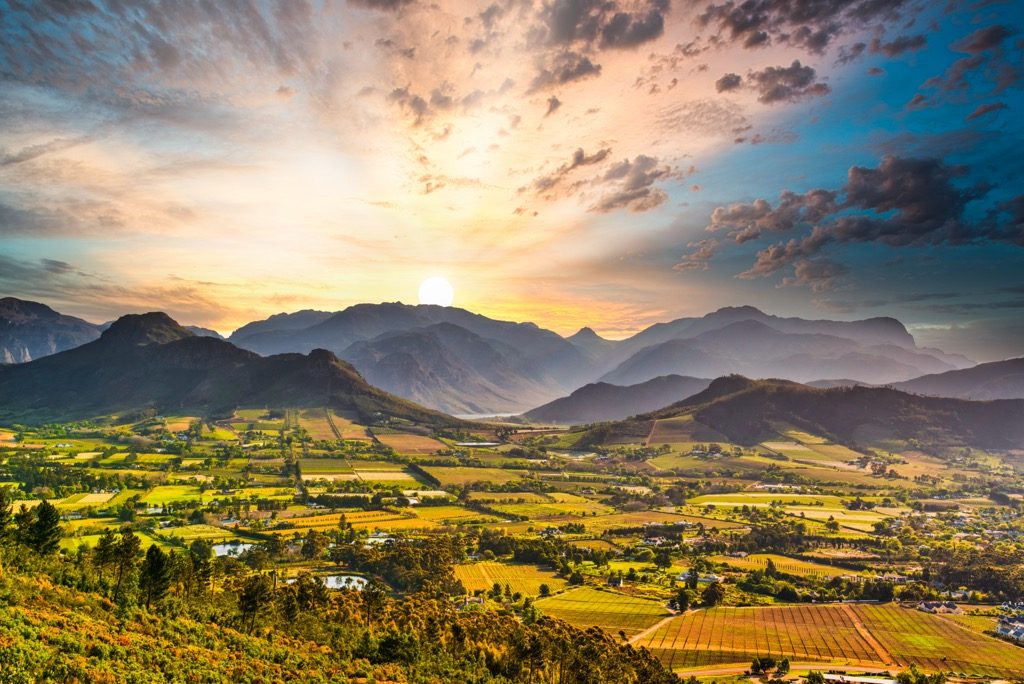
Ride the vintage tram through vineyard valleys, pause at estate cellars where Huguenot methods still shape the pour.
Compare fares, pick the fit — all bookings are mobile-voucher and eligible for free cancellation where shown.
8 hr 30 min
8 hr 30 min
9 hr
Choosing a cape town to franschhoek wine tour requires selecting the right access level for your day in the Cape Winelands. Whether you prioritize a simple hop-on hop-off itinerary or an elevated experience, this matrix compares the available ticket options.
|
Top pick Hop-on Hop-off Transport & Flexibility |
Curated Experience Guided & All-inclusive | |
|---|---|---|
| Base Ticket Price | 330 ZAR | From 1900 ZAR;Access Method |
| See tickets & prices |
Verdict: For most visitors starting a cape town to franschhoek wine tour tour, the standard hop-on hop-off tickets provide the most flexibility to explore the region at your own pace.
Worth it if you value safety over self-drive flexibility
A cape town to franschhoek wine tour solves the valley's biggest logistical problem: driving between estates after tasting. The hop-on hop-off Wine Tram costs 330 ZAR, but that covers transport only—tastings run 80–150 ZAR per estate, pushing a four-stop day to 650–900 ZAR before lunch. Multi-region tours with Cape Town transfers bundle transport, tastings, and often lunch for comparable all-in pricing while removing the risk of driving impaired on mountain passes. Self-drivers save money if limiting tastings to one or two estates, but lose the freedom to drink properly. The Stellenbosch and Franschhoek wine country experience delivers better value than patching together tram tickets and individual tastings, especially for groups splitting the cost. Solo travelers paying full tour pricing versus tram-plus-tastings break even around three estates. The real trade: structured itineraries with fixed wine stops versus the tram's flexibility to linger at favorites or skip duds.
Bottom line: Book a bundled cape town to franschhoek wine tour if drinking properly matters more than choosing every stop yourself.
The Franschhoek Wine Tram offers a structured hop-on hop-off rail experience, whereas Stellenbosch provides a more flexible, road-based exploration of historic vineyards.
|
Top pick Franschhoek Wine Tram |
Stellenbosch Wine Routes | |
|---|---|---|
| Transport Method | Tram and open-air bus | Private car or shuttle |
| Primary Landscape | Mountain-ringed valley | Rolling vineyard hills |
| Booking Convenience | Easily book cape town to franschhoek wine tour tickets | Flexible ad-hoc visits |
| Price Structure | 330 ZAR plus tasting fees | Varies by estate and transport |
| Ease of Navigation | Fixed, mapped circular route | Requires self-planning or private driver |
| Atmosphere | Casual and scenic | Academic and historic |
| See tickets & prices |
Verdict: Choose the Franschhoek wine tram for a curated, stress-free circuit, or select Stellenbosch if you prefer customizing your own cape town to franschhoek wine tour tours itinerary across a broader geographical area.
Hand-picked experiences loved by thousands of travelers
8 hours
Free Cancellation
Journey through South Africa's premier wine regions with tastings, cheese pairings, and a scenic tram adventure
8 hours
Free Cancellation
Sample 20 wines across four prestigious estates in South Africa's legendary wine valleys
8 hours
Free Cancellation
Discover South Africa's premier wine estates on an exclusive full-day journey through stunning vineyard landscapes
8 hours to 1 day
Free Cancellation
Journey through South Africa's celebrated wine country with tastings at premier estates and a scenic tram ride
6 hours
Free Cancellation
Explore handpicked boutique estates across Stellenbosch and Franschhoek on this intimate wine journey
Check in at the Franschhoek terminal
Board the tram for the morning loop
Visit selected estates via the tram loop
Return to terminal from final estate
You board the open-air tram at the Corner of Main Road and Cabriere Street by 09:00, claiming a bench on the shaded side as the conductor issues your hop-on pass. The first loop climbs east toward Rickety Bridge, where you step off after twelve minutes and walk fifty metres to the tasting room built into an 1797 barn.
You sample five wines at the bar, lingering over a 2022 Chenin Blanc that carries faint minerality from granite soils, then return to the tram stop.
The second leg curves north into higher vineyards. You hop off at Grande Provence, crossing a gravel courtyard to the cellar door where a tasting menu pairs three reds with biltong and local cheese. Outside, the Drakenstein peaks frame rows of Shiraz vines planted in terraces. You walk the estate's sculpture garden for twenty minutes before the next tram arrives.
By 14:00 you've completed three stops, each separated by a short ride through oak-lined farm roads. The tram's open sides let valley air cool your face between the warmth of tasting rooms. You disembark a final time at La Motte, where a reserved table in the courtyard holds your pre-booked lunch—slow-braised lamb with estate Merlot. The last tram departs at 16:30, returning you to the corner of Main Road by 17:00 as afternoon light softens across the valley floor.
All the details about your upcoming adventure in one place
The Franschhoek Wine Tram operates along rail corridors first laid in 1904 to haul fruit from the valley to Cape Town's docks. Those narrow-gauge tracks now carry visitors between seventeen estates where French Huguenot refugees planted the Cape's first Chenin Blanc and Shiraz vines in the 1680s.
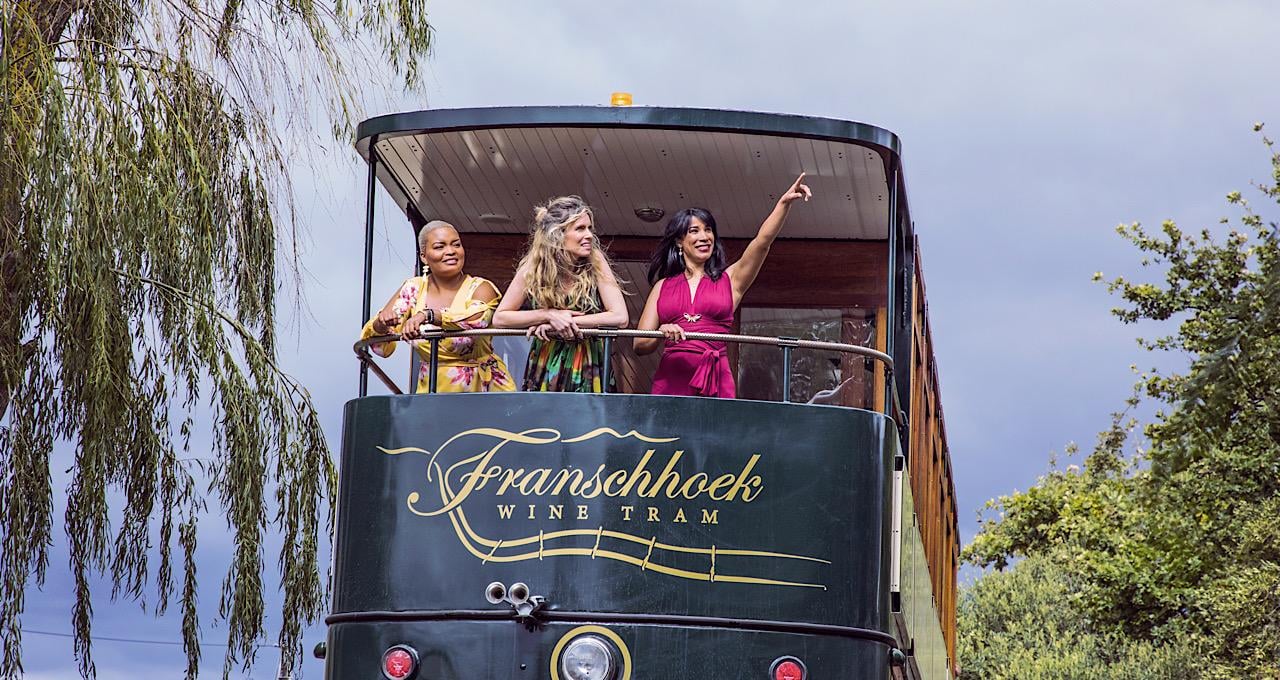
The tram system restored vintage open-air carriages in 2012, pairing them with modern hop-on hop-off logistics that let you compose your own route across Franschhoek, Stellenbosch, and Paarl.
Franschhoek remains the smallest of the three regions by area but concentrates forty cellars within a ten-kilometre corridor beneath the Drakenstein peaks. Cape Winelands soil alternates between decomposed granite on the slopes and alluvial clay in the valley floor, giving winemakers the latitude to grow both Bordeaux reds and cool-climate whites. Estate architecture reflects successive waves of settlement: gabled Cape Dutch homesteads from the 1700s, Victorian stone cellars, and angular concrete tasting rooms added in the 2000s. Several properties still press grapes in basket presses inherited from founding families.
The wine tram departs Corner of Main Road and Cabriere Street daily from 08:45, running five interlocking loops that stop at estates every twenty to thirty minutes. Each ticket allows unlimited boarding across a single day, though tastings themselves carry separate fees at each property, typically 80 to 150 ZAR for a flight of five wines. Most visitors complete three to four stops between the morning departure and the final 17:00 return. The open sides of the tram carriages expose you to shifts in temperature as the route climbs from valley floor to mid-slope vineyards, where afternoon thermals draw cool air off False Bay thirty kilometres south.
Franschhoek's French Huguenot heritage surfaces in estate names—La Motte, Boschendal, Grande Provence—and in the survival of traditional methode Cap Classique sparkling wines that mirror Champagne fermentation techniques. The valley's microclimate, sheltered by mountains on three sides, moderates summer heat and funnels winter rain into the Berg River watershed. Stellenbosch, thirty minutes west, offers a denser concentration of university-affiliated research vineyards and older Cape Dutch architecture. Combining both regions in a single Cape Town to Franschhoek wine tour requires either a private transfer or a scheduled excursion that allocates morning hours to one valley and afternoon to the other, covering roughly 120 kilometres round-trip from the city.
Those narrow-gauge tracks now carry visitors between seventeen estates where French Huguenot refugees planted the Cape's first Chenin Blanc and Shiraz vines in the 1680s.
Smart casual attire is recommended for this cape town to franschhoek wine tour. Comfortable walking shoes are advised for navigating estate grounds.
Standard backpacks are permitted on board. Large luggage items may need to be checked at the main terminal before starting your cape town to franschhoek wine tour.
Photography is encouraged throughout the estates. Please respect the privacy of other guests during tastings on your cape town to franschhoek wine tour.
Families are welcome, though wine tasting is restricted to guests 18 years and older. Child-friendly estates provide alternative activities.
The transport vehicles are designed to accommodate guests with limited mobility. Please notify staff in advance to ensure appropriate vehicle allocation.
External food and beverages are not permitted on the transport vehicles. Each estate provides dining options for your cape town to franschhoek wine tour.
Opening Hours
08:45–17:00
Address
Corner of Main Road and Cabriere Street, Franschhoek, 7690, South Africa
Accessibility
Wheelchair accessible transport options available
Arrival
08:45–10:00
Storage
Secure facilities available at the terminal
Navigation
Follow signage for Franschhoek Wine Tram terminal
Car · 1h 20m · Parking available at terminal
Follow the N1 from Cape Town taking the R45 exit to Franschhoek.
Taxi · 1h 20m · Variable pricing
Pre-booked private transfers are common for visitors.
Cancellations made within the specified window are eligible for a refund minus a service fee. Ticket prices are 330 ZAR for the hop-on hop-off experience.
Recommended time
6-8 hours
A full-day commitment is necessary for this Cape Winelands excursion to engage with multiple estates via the rail-based transit system. Arriving early ensures you can maximize the hop-on hop-off schedule and avoid mid-day crowds, as visitor volume peaks when independent travelers arrive from the city. Securing your cape town to franschhoek wine tour tickets in advance assists in smoothing your entry at the terminal located at Corner of Main Road and Cabriere Street, Franschhoek, 7690, South Africa. Visitors should factor in additional transit pauses, as the frequency of the tram service dictates the pace of movement between vineyards.
Crowd levels through the day
Weather · crowds · average price — dots go green to amber to red as each metric rises.
September to November offers blooming vineyards and mild temperatures perfect for a wine tasting journey.
December to February features long sunny days, though this is the peak season for tourists.
March to May provides crisp air and the vibrant colors of the harvest season in the Winelands.
June to August is quieter with cooler weather, ideal for cozy indoor tastings by the fireplace.
Reserve your cape town to franschhoek wine tour tickets in advance, especially during weekends.
Carry a water bottle as you move between estates during your cape town to franschhoek wine tour.
Study the different tram lines to see which estates align with your wine preferences.
The weather in the Cape Winelands can change quickly throughout the day.
The African sun is strong even on cloudy days, so apply sunscreen regularly.
Corner of Main Road and Cabriere Street, 7690
Primary departure point for the cape town to franschhoek wine tour
Get directionsThe cape town to franschhoek wine tour route traces its origins to 1688, when French Huguenot refugees arrived in the valley the Dutch called Olifantshoek. Governor Simon van der Stel granted these Protestant exiles farms in what would become Franschhoek—French Corner. They brought viticulture knowledge from Provence and the Loire, planting the first vines that would define the Cape Winelands for centuries. By 1690, estates like La Motte and Boschendal had established the wine-farming model that persists today. The settlers faced immediate hardships: unfamiliar soils, volatile weather, and a Dutch East India Company monopoly that controlled all wine sales and suppressed quality in favor of quantity. The 19th century brought transformation and catastrophe. Constantia wine achieved global fame in the 1820s, spurring investment across Franschhoek. Then phylloxera arrived in 1886, decimating vineyards throughout the valley. Growers replanted with American rootstock, but recovery took decades. The cooperative movement emerged in the 1920s, consolidating small producers under the KWV—a cartel that stabilized prices but stifled innovation. Apartheid-era sanctions isolated South African wine from international markets until 1994. Post-liberation, Franschhoek experienced a renaissance. Estates invested in French oak barrels, temperature-controlled fermentation, and cultivar experimentation. The wine tram launched in 2012, transforming the cape town to franschhoek wine tour into an accessible hop-on hop-off experience linking eight historic estates. Today the route connects seventeenth-century Cape Dutch architecture with contemporary tasting rooms. Grande Provence, Rickety Bridge, and Haute Cabrière anchor the tram circuit. The valley produces acclaimed Chardonnay, Shiraz, and Méthode Cap Classique sparkling wines. What began as a refuge for religious exiles became South Africa's premier wine tourism corridor, where Huguenot heritage and New World viticulture converge.
French Huguenot refugees settle the valley and plant the first wine estates.
La Motte and Boschendal establish vineyards under Dutch East India Company rule.
Phylloxera blight destroys most vines; replanting with American rootstock begins.
Cooperative movement consolidates producers under the KWV wine cartel.
End of apartheid sanctions opens Franschhoek wine to global markets.
Wine Tram launches, creating the modern cape town to franschhoek wine tour experience.
Valley earns recognition for Chardonnay, Shiraz, and Méthode Cap Classique sparkling wines.
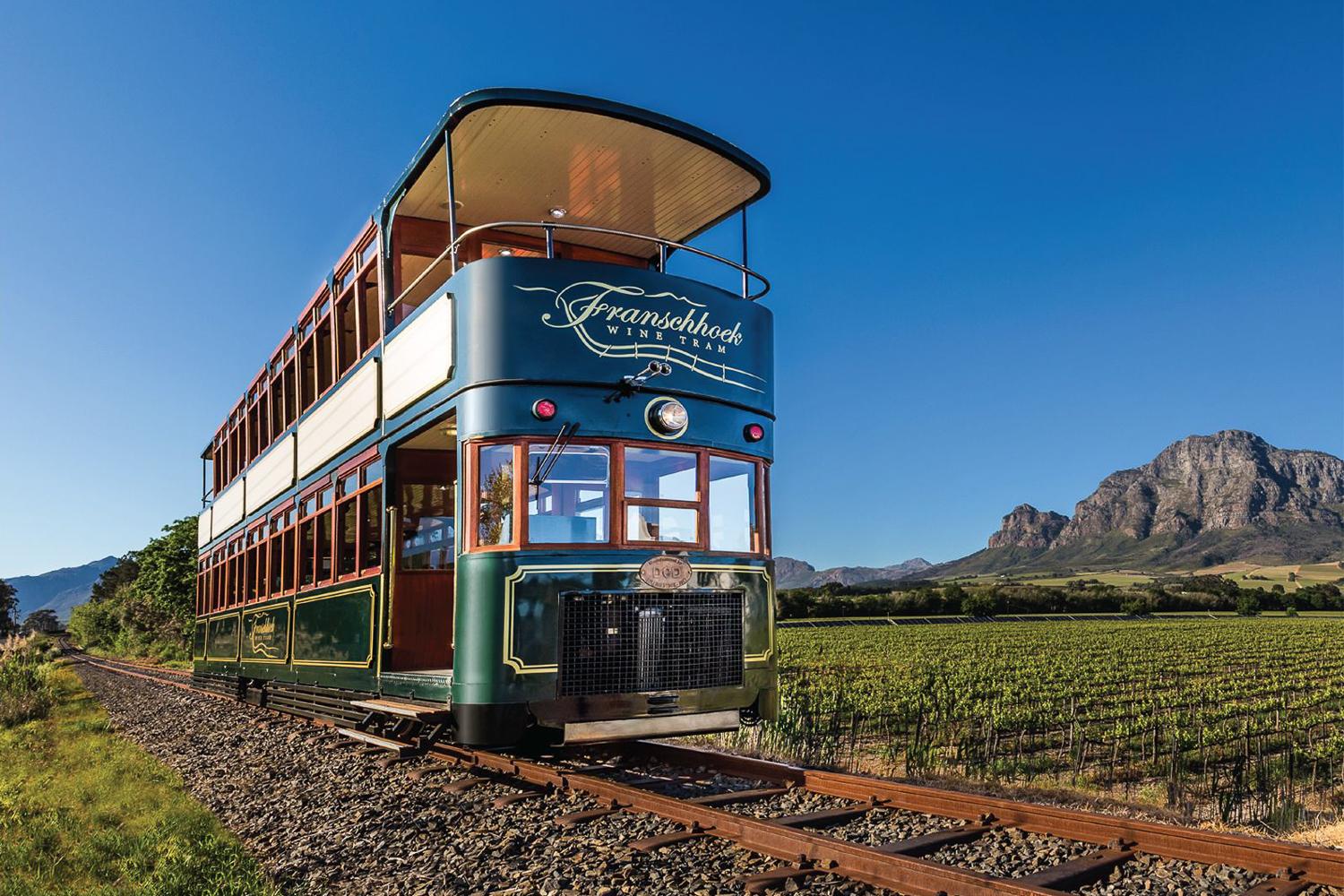
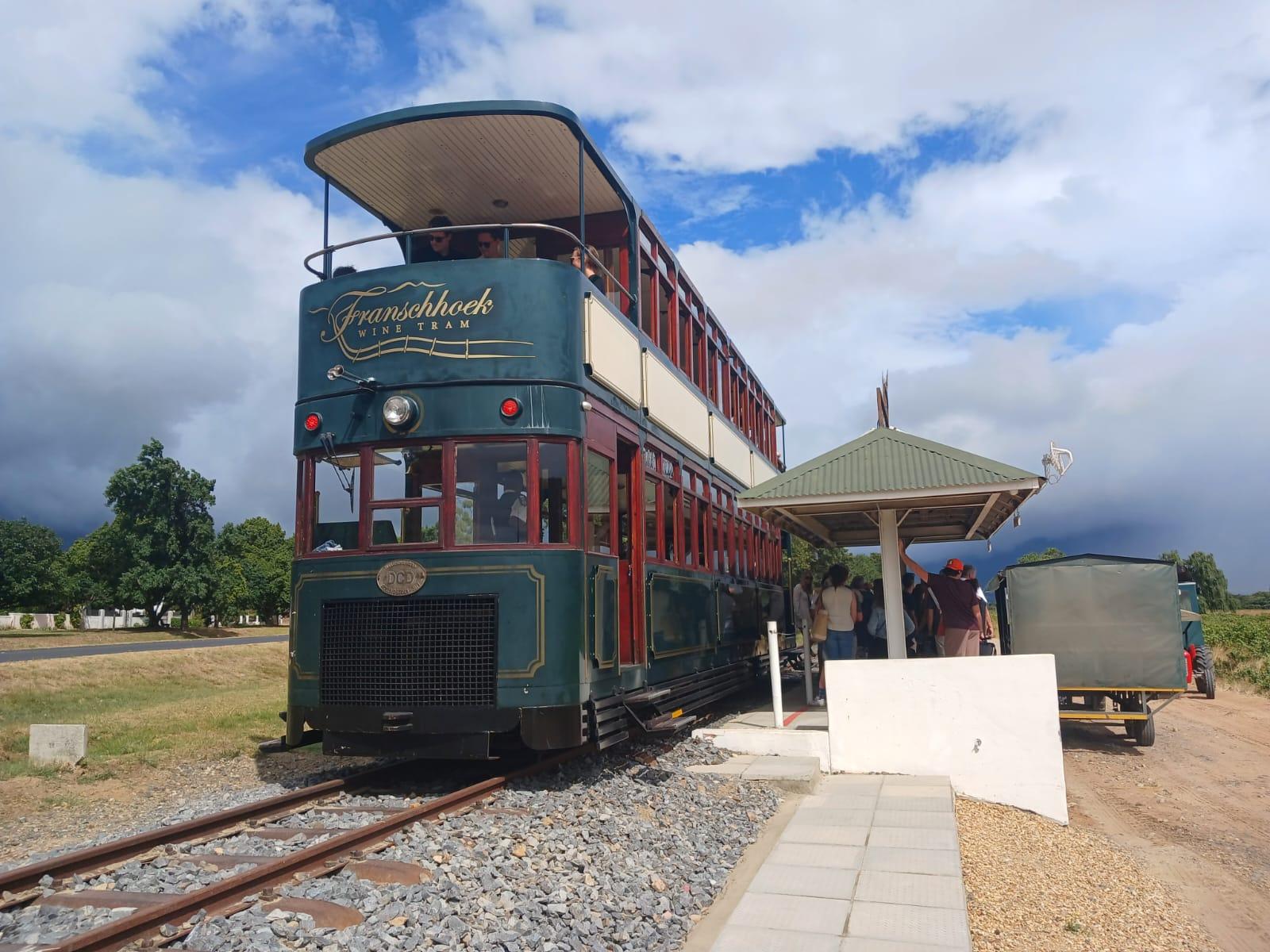
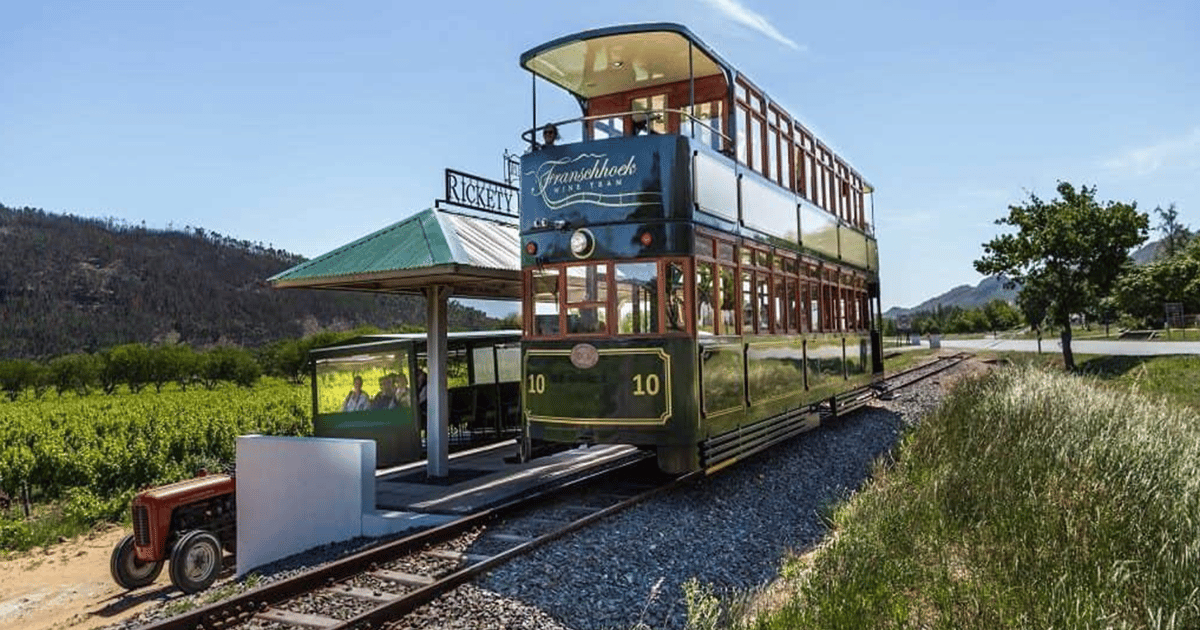
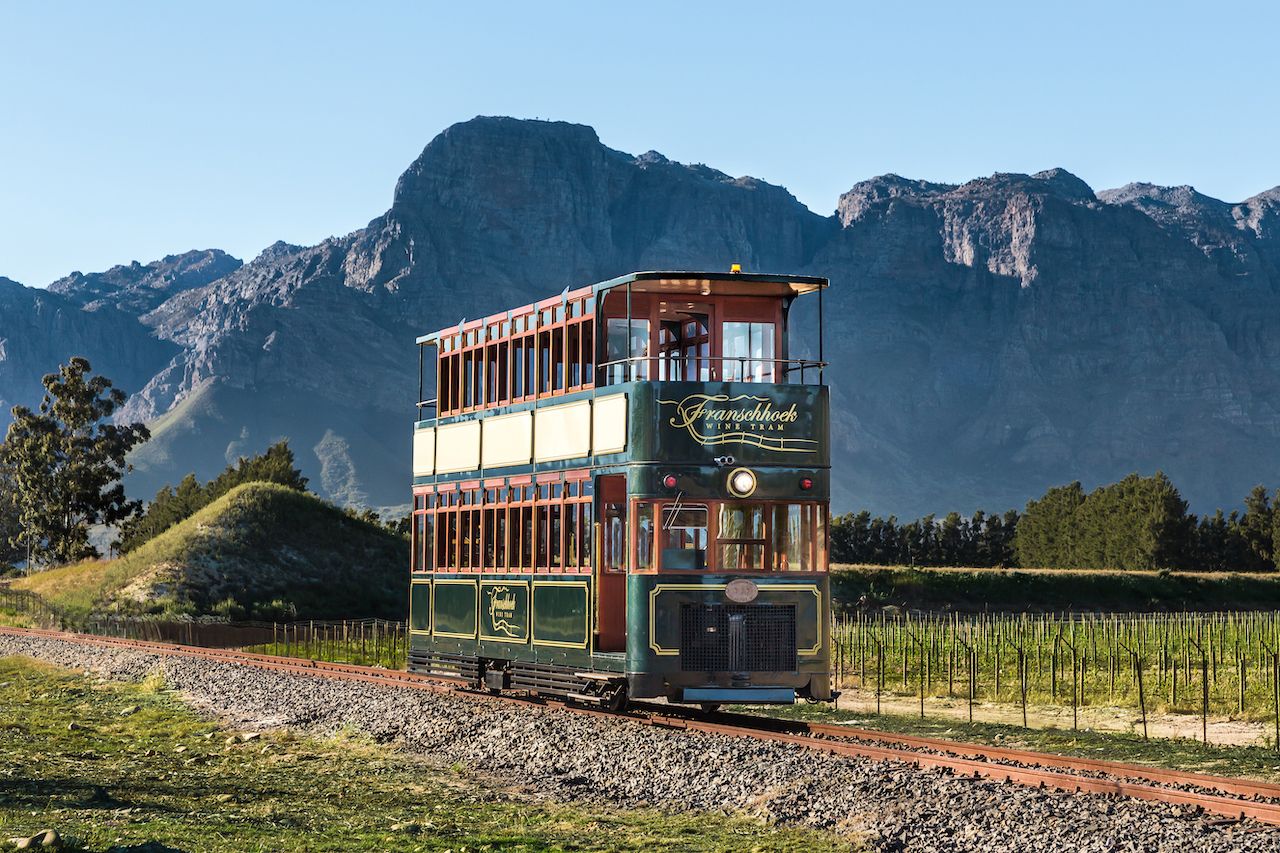
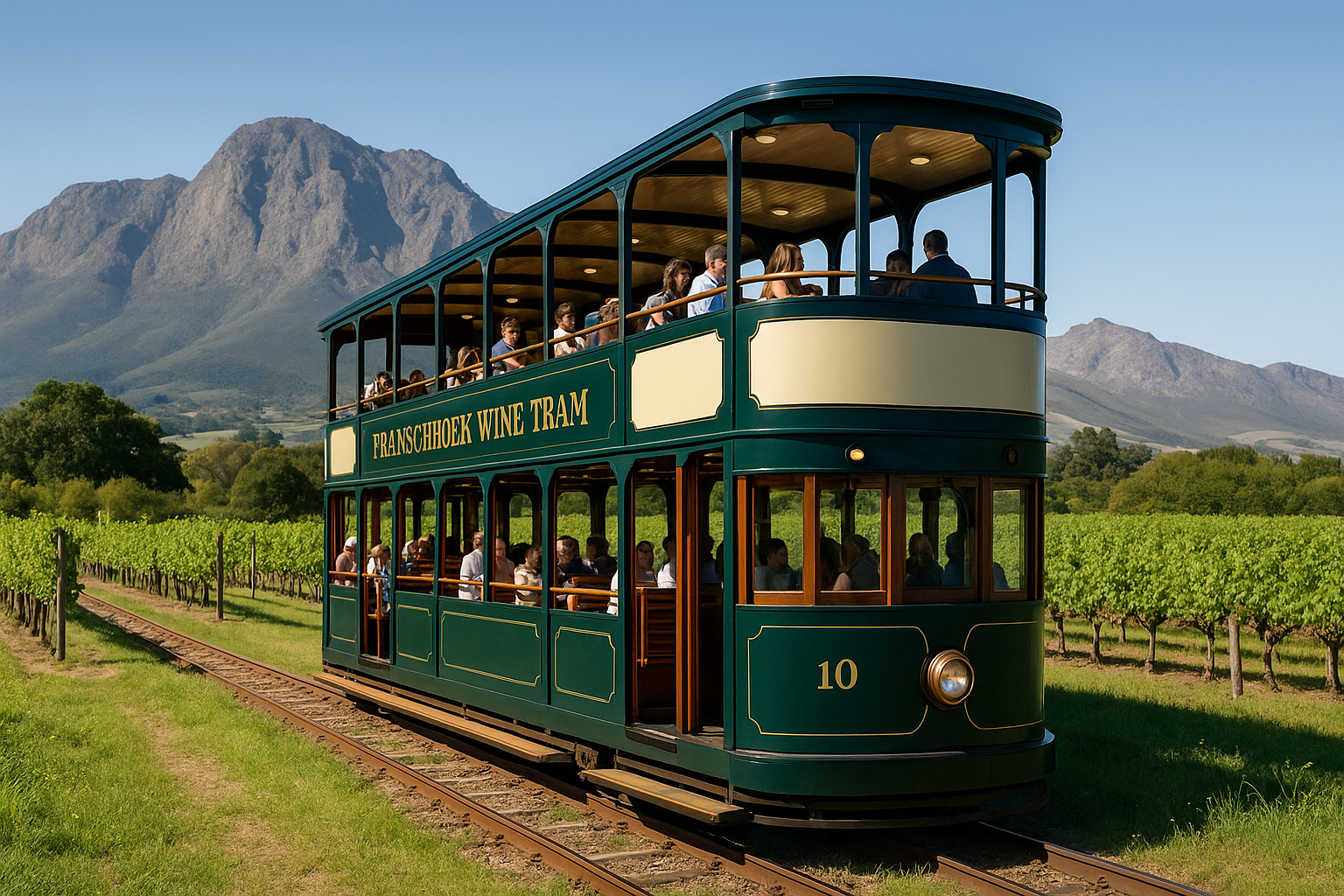
Position yourself at the main terminal to capture the vintage-style open-air tram against the backdrop of the valley. This is the starting point for your cape town to franschhoek wine tour and offers the cleanest lines for tram photography.
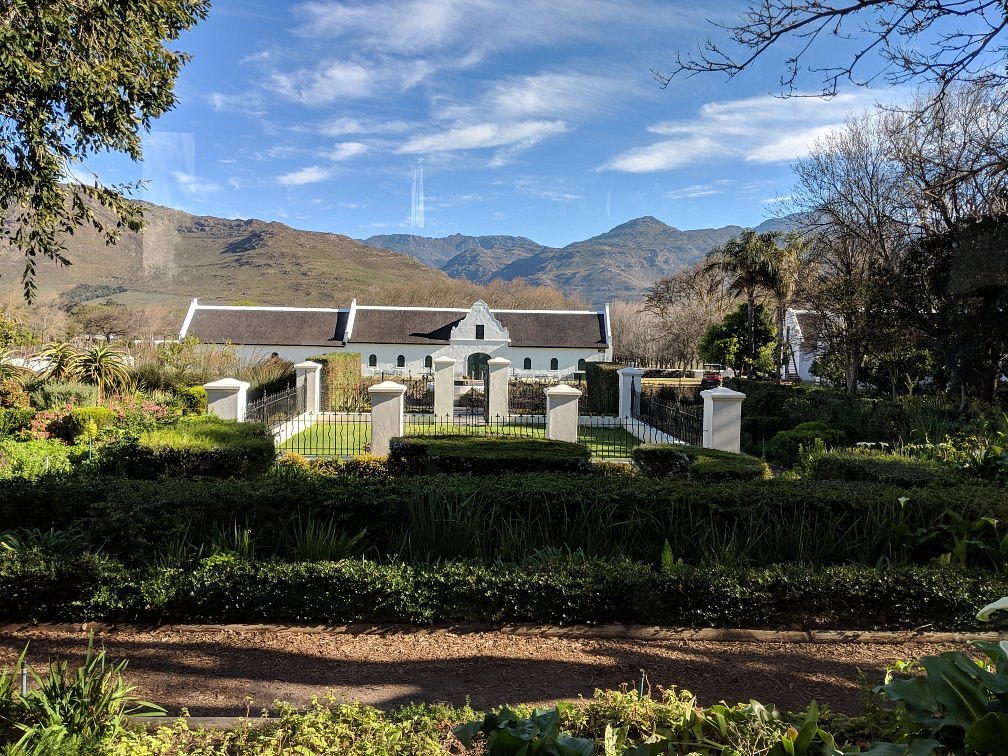
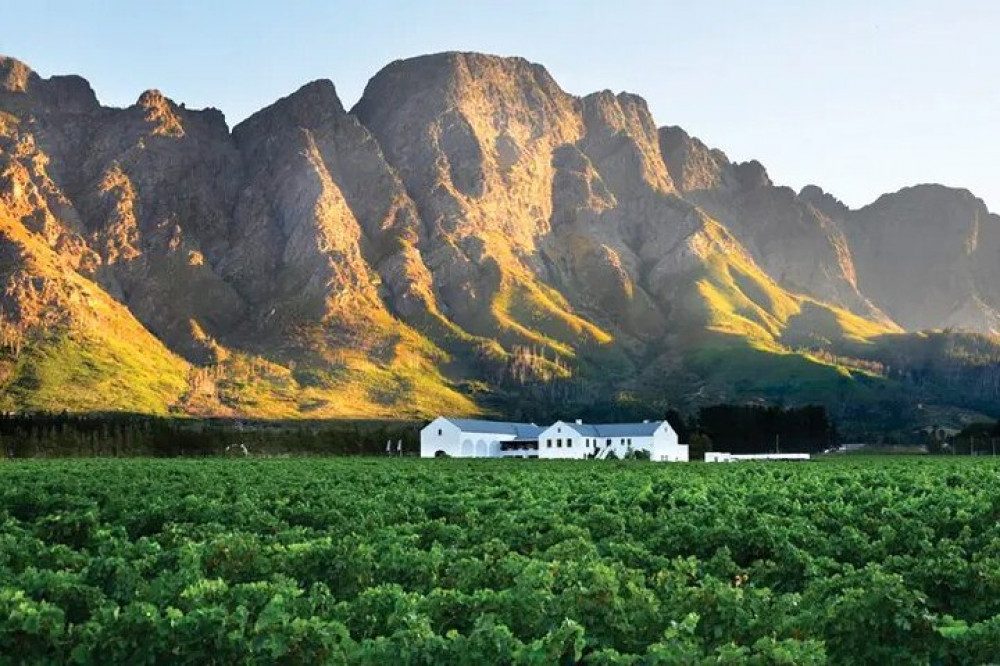
Frame your shot through the arched white walls looking out toward the manicured gardens and rolling slopes. This classic Cape Dutch architecture provides a sense of place for those seeking the best cape town to franschhoek wine tour tours imagery.
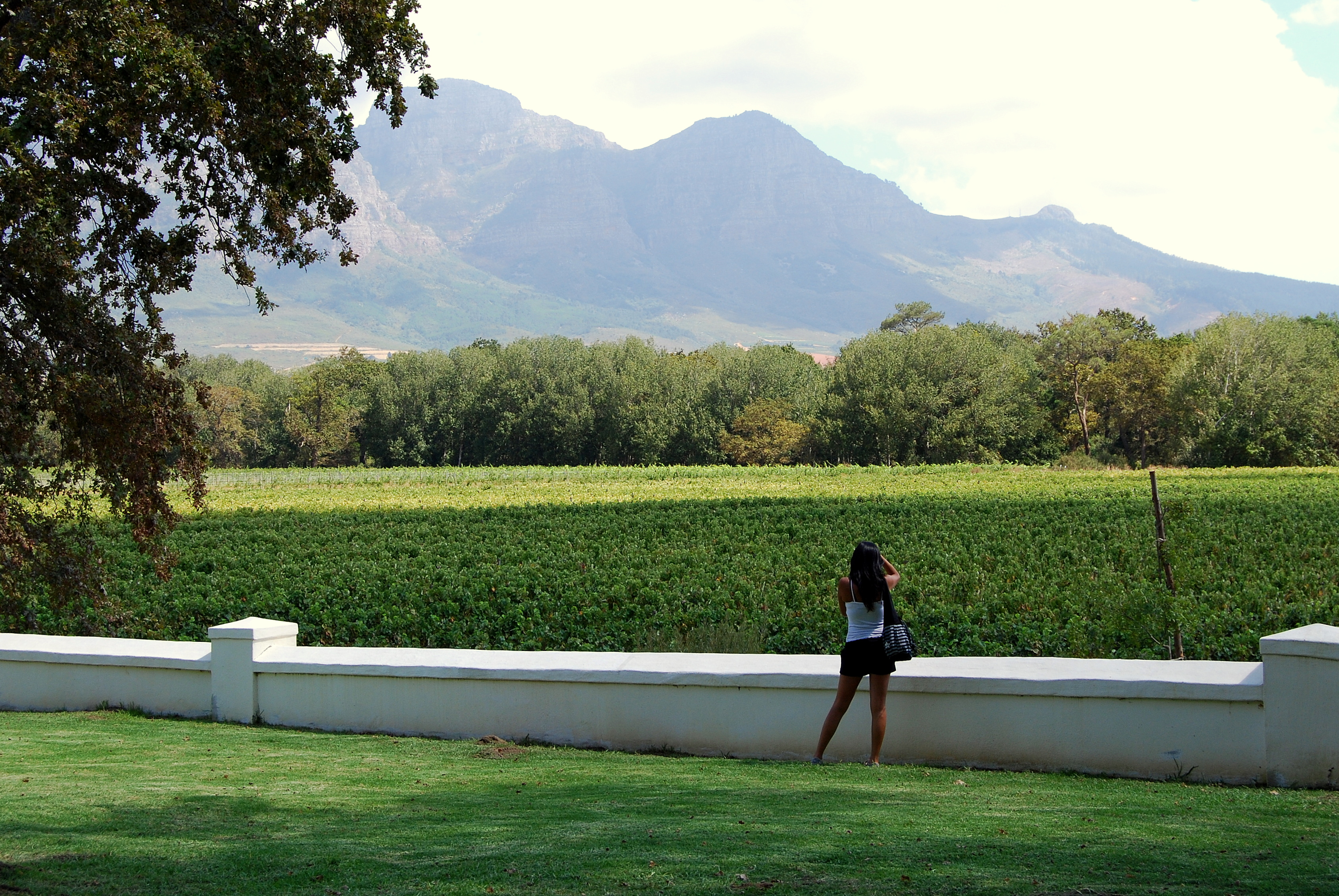
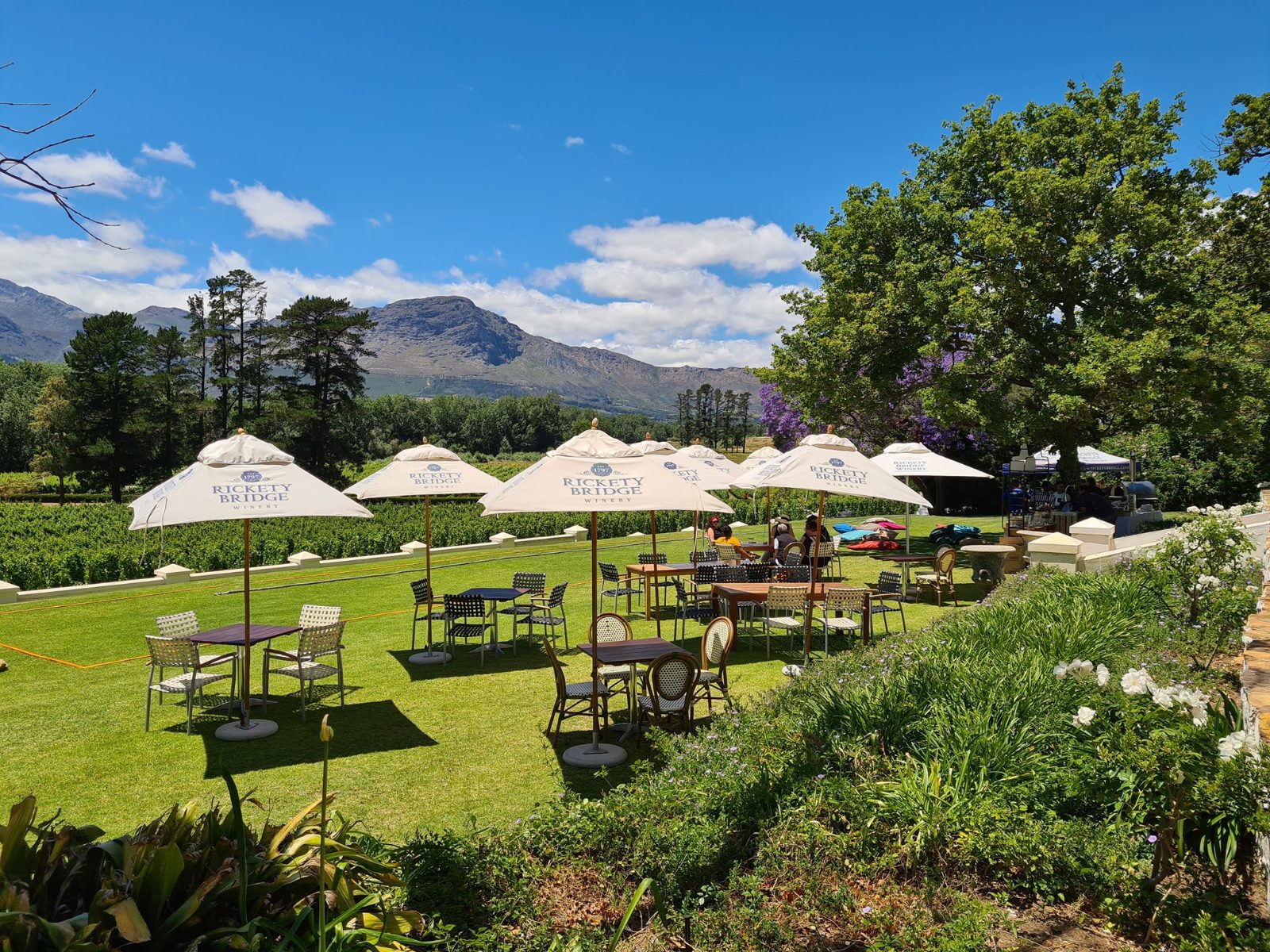
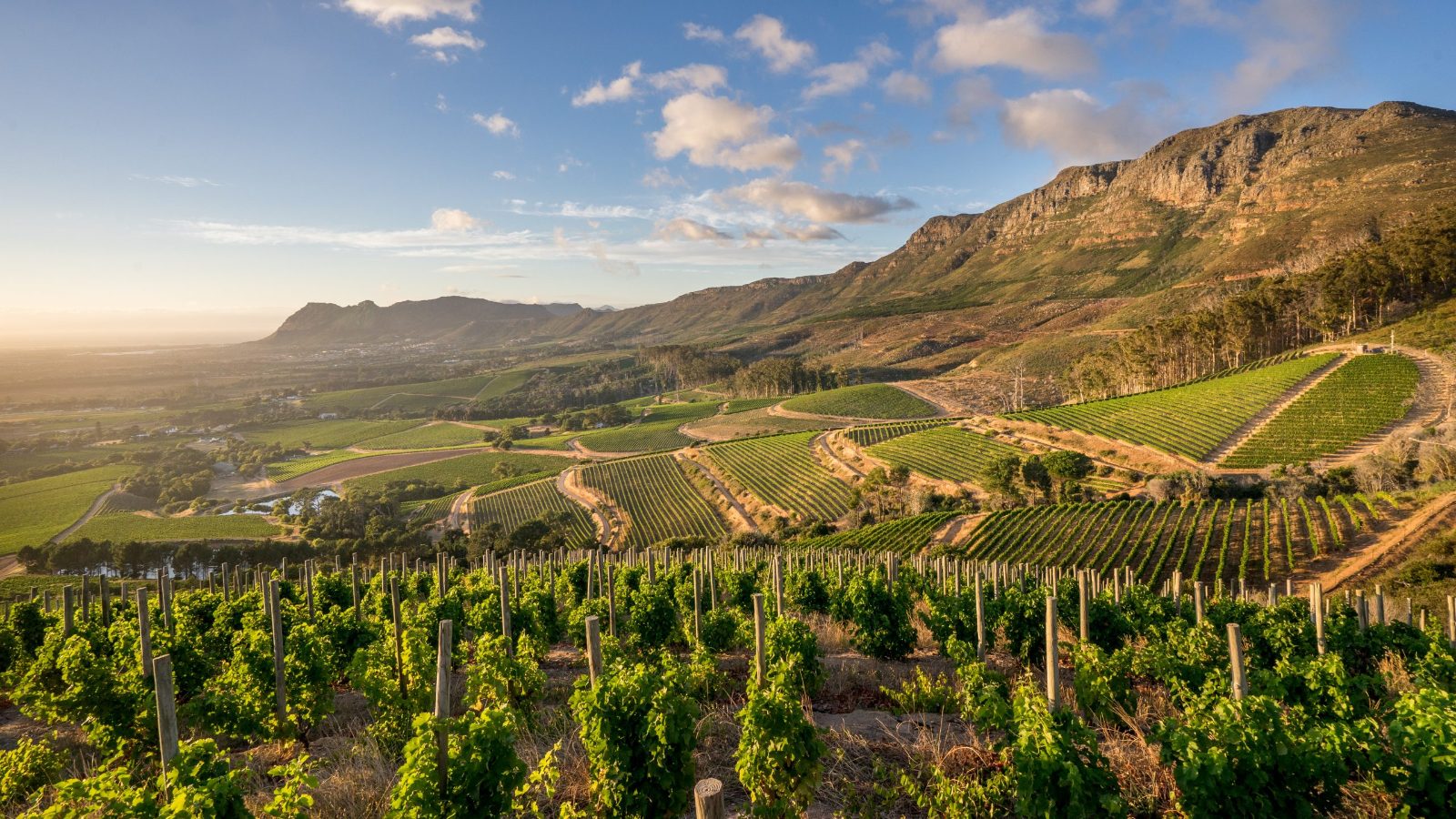
Capture the panoramic view of the Wemmershoek Mountains over the lush vines from the elevated wooden deck. This spot is perfect for visitors securing their cape town to franschhoek wine tour tickets to document the expansive Winelands horizon.
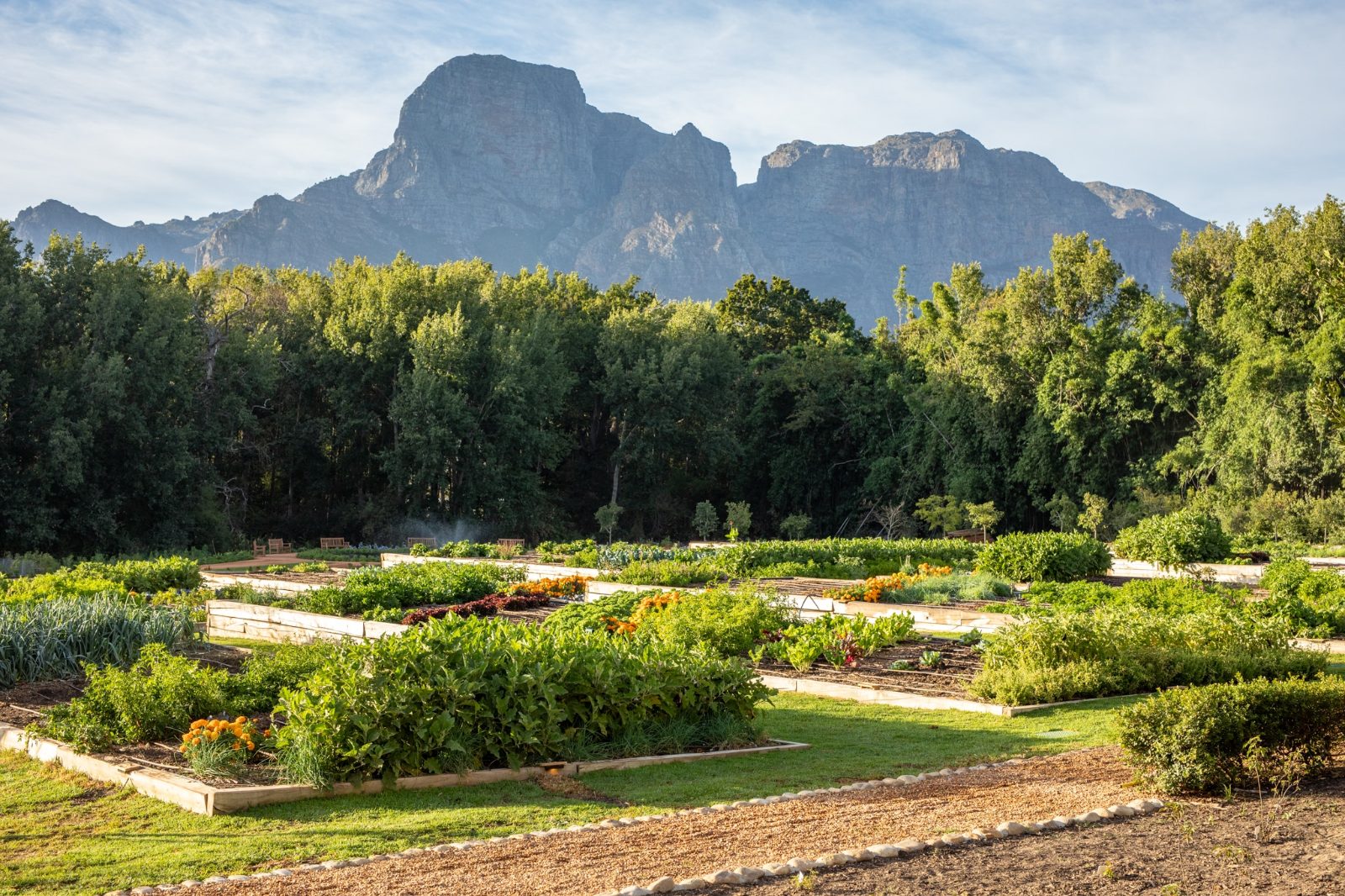
Find the oak-lined paths and historic farm buildings that provide a textured foreground for the mountain peaks. These gardens are frequently featured in professional cape town to franschhoek wine tour tour galleries for their pastoral charm.
Embarking on a cape town to franschhoek wine tour provides a refreshing way to explore the Cape Winelands, as the open-air transit allows children to enjoy the scenic valley views while parents visit renowned vineyards. This relaxed approach to a popular [city] landmark tour ensures that both adults and little ones can enjoy a day out without the need for constant driving.
Prams must be collapsed before boarding the tram and transfer vehicles.
Children of all ages are welcome, and those who enjoy outdoor spaces or farm environments will find plenty of room to roam at recommended stops.
Some estates offer dedicated play areas with childminders, while others provide playgrounds, bike tracks, or open lawns perfect for families.
To ensure a manageable day with children, we suggest limiting your itinerary to 3 or 4 stops; selecting "Tram First" departures can help keep your schedule flexible.
Many participating estates offer family-friendly lunch options, ranging from casual picnics under the trees to farm-to-table restaurants that cater to diverse tastes.
While the tram is an open-air experience, many estates feature indoor tasting rooms and sheltered dining areas, making this a viable year-round trip.
Finding a meal during your cape town to franschhoek wine tour is seamless, as many estates offer on-site bistros and fine-dining experiences. Whether you prefer a quick gourmet platter or a sit-down culinary pairing, the Franschhoek valley caters to diverse tastes near the Franschhoek Wine Tram terminal.
Offers a world-class tasting menu experience that requires advance booking for those on Franschhoek wine tram tours.
Everything you need to know for your journey
The Franschhoek Wine Tram terminal is open daily from 08:45–17:00.
Yes, children are welcome on the tour, though tasting fees are specific to adults.
Yes, parking is available at the terminal located at the Corner of Main Road and Cabriere Street.
The hop-on hop-off tour ticket price is 330 ZAR, excluding individual estate tastings.
No, external food and beverages are not permitted on the transport vehicles.
Most visitors spend the full day maximizing the hop-on hop-off schedule starting from 08:45–10:00.
Booking in advance is highly recommended to secure your preferred date for a cape town to franschhoek wine tour.
Yes, the tram and bus services have options for guests with limited mobility.
Bring sunscreen, a hat, your valid ID, and comfortable walking shoes for your cape town to franschhoek wine tour.
A historic site honoring the French Huguenot heritage of the town.
Opulent estate living in the heart of the valley.
Join thousands of happy travelers who have discovered this incredible experience
Book Your Experience Now