

Quick answer
Babylonstoren, one of the most visited wine farms near Cape Town, opens daily from 09:00 to 18:00, with an entrance fee of 190 ZAR per adult that includes an annual garden membership. Arriving between 09:00 and 11:00 ensures cooler temperatures and fewer crowds as you explore the eight-acre garden and tasting facilities.
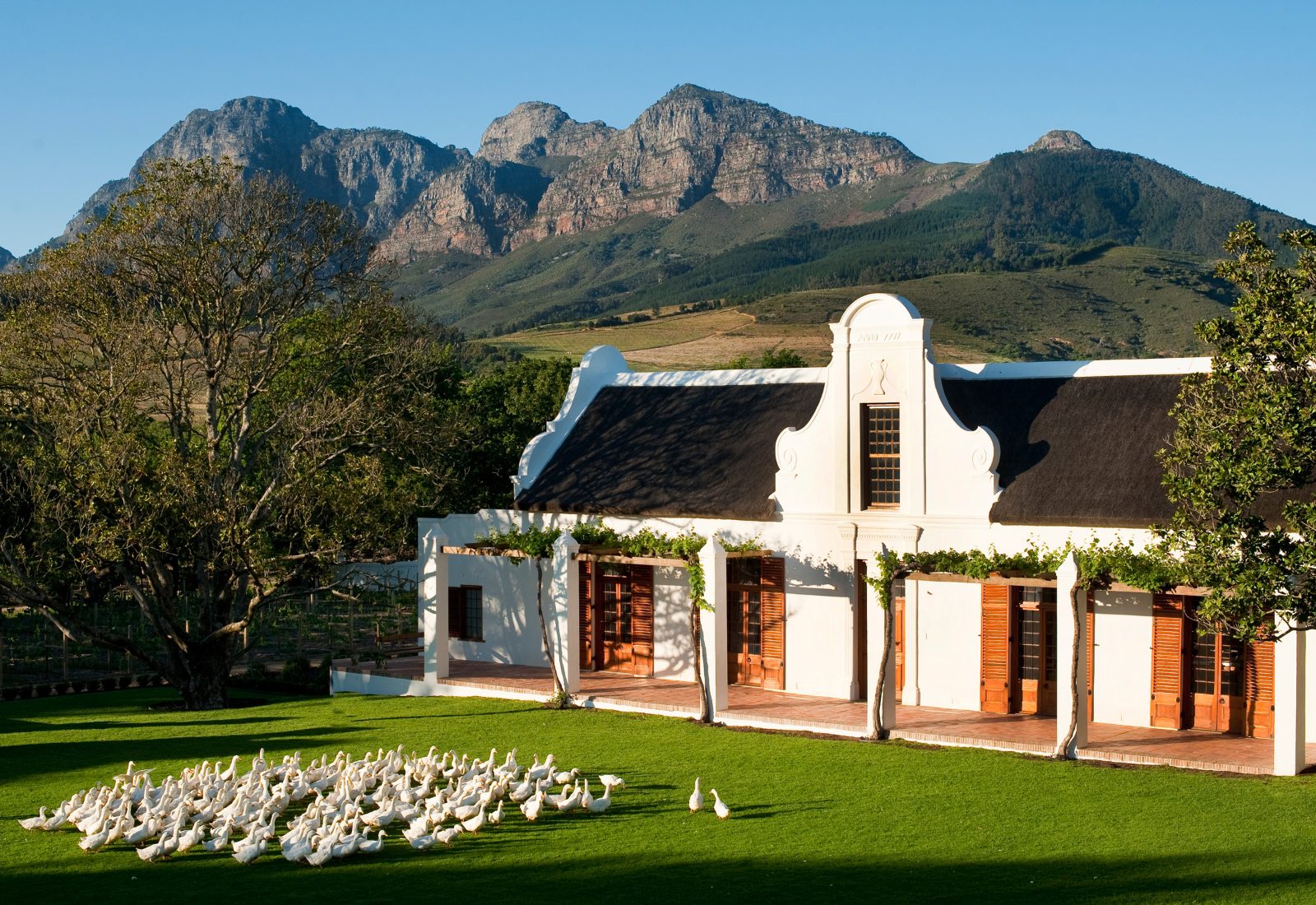
Babylonstoren operates as both a working farm and a curated garden experience, making it one of the most distinctive cape town wine farms to visit in the Simonsberg valley. The estate sprawls across fifteen production gardens arranged in geometric beds, each devoted to a single crop or heirloom varietal. Visitors walk gravel paths between espaliered fruit trees, herb spirals, and blocks of seasonal vegetables before reaching the tasting room, where wines are poured alongside preserves and cheeses made on-site. The farm sits on Klapmuts-Simondium Road in the heart of the Cape Winelands, a region defined by its terroir—decomposed granite soils, Atlantic-cooled summers, and mountain amphitheaters that channel morning mist into the valleys. Stellenbosch lies twenty minutes south, Franschhoek fifteen minutes east. Most estates in this corridor welcome visitors seven days a week, though tasting-room hours contract during winter months and some smaller producers require advance booking. A wine-farm visit here is structured differently than in Napa or Bordeaux. Tastings are often seated and paired with food; gardens, art collections, and farm trails occupy as much time as the cellar itself. At Babylonstoren, the garden entrance grants access to the grounds from morning through early evening, while the tasting room and restaurant operate on separate schedules. Guests are encouraged to walk the full circuit, which takes ninety minutes at a measured pace, before settling at one of the tasting stations. The annual membership included with garden entry allows unlimited return visits for twelve months, a structure designed for repeat exploration rather than a single pass-through. For travelers planning a Cape Winelands itinerary, this makes Babylonstoren a practical anchor point—you can return on a different day to catch the vineyards in afternoon light or the kitchen garden at harvest peak. Reservations for the restaurants are essential on weekends; walk-ins for garden entry are accepted throughout the week.
“The eight-acre garden at Babylonstoren grows three hundred varieties of edible and useful plants, all arranged in formal beds that trace the estate's three-century farming history.”
The Best Time for Cape Town Wine Farms to Visit
The optimal period to explore the Cape Winelands is during the shoulder seasons of autumn and spring, specifically arriving between 09:00–11:00. This daily window allows visitors to navigate the farms before peak crowds arrive and temperatures rise.
Summer (Dec–Feb)
High; booking essentialWarm and dry (25°C–30°C). Expect longer queues and lively farm environments.
Autumn (Mar–May)
Moderate; comfortableMild (18°C–24°C). The vines turn golden and harvest activities conclude.
Winter (Jun–Aug)
Low; quietCool and wet (10°C–17°C). Ideal for indoor tastings and fireplace settings.
Spring (Sep–Nov)
Moderate; vibrantMild (18°C–23°C). Gardens bloom and regional vegetation is lush.
Verdict: For the best balance of weather and crowd levels, plan your visit for a weekday morning between 09:00–11:00 during the months of April or October.
Opening Hours for Cape Town Wine Farms to Visit
The featured wine estate maintains consistent daily operating hours throughout the week. Guests may visit between 09:00 and 18:00 from Monday through Sunday.
| Monday | 09:00–18:00 | |
|---|---|---|
| Tuesday | 09:00–18:00 | |
| Wednesday | 09:00–18:00 | |
| Thursday | 09:00–18:00 | |
| Friday | 09:00–18:00 | |
| Saturday | 09:00–18:00 | |
| Sunday | 09:00–18:00 |
How to Reach Cape Town Wine Farms to Visit
Babylonstoren is located in the Drakenstein Valley. The most direct approach is via the N1 highway traveling from Cape Town toward Paarl.
N1 highway to R45 exit, then Klapmuts-Simondium Road
Private hire from Cape Town city center
Key Highlights of Cape Town Wine Farms to Visit
The Cape Winelands offer distinct landscape zones that showcase both viticulture and botanical design. These highlights represent the curated experiences found at prominent estates in the region.
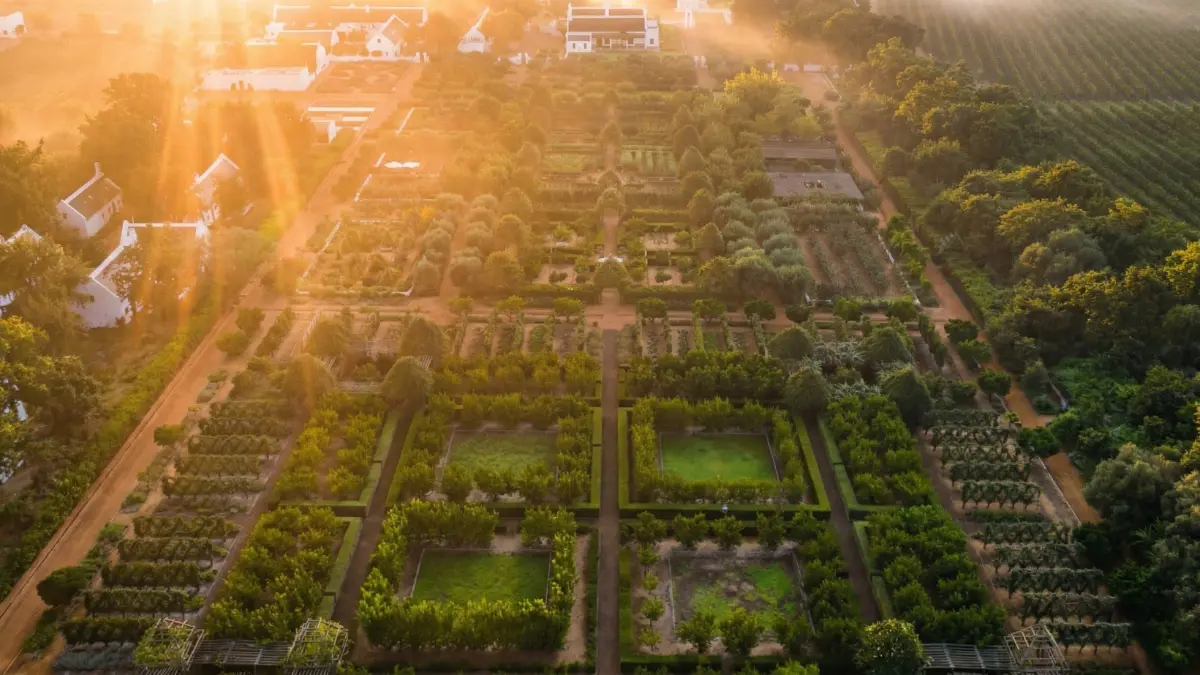
Babylonstoren Garden
A formal fruit and vegetable garden laid out according to the layout of the Company’s Garden in Cape Town. It features a diverse collection of trees, shrubs, and edible plants arranged in geometric sections.
Walk the central axis to see the varied garden planting zones.
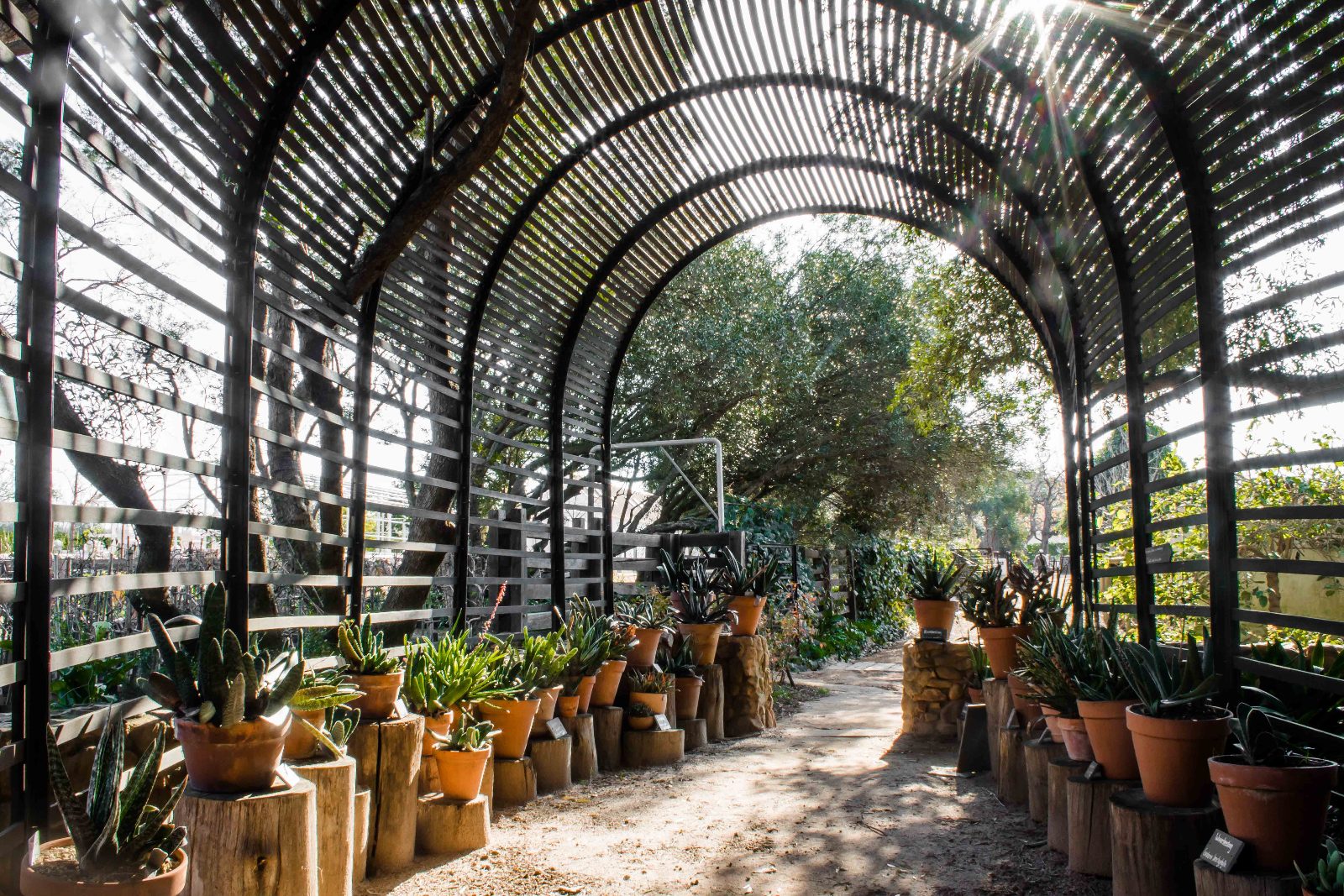
The Puff Adder
A curved, arched walkway made of timber that snakes through the garden’s wetlands area. It provides a raised vantage point over the botanical plantings and water features.
Follow the boardwalk to observe aquatic plants and local birdlife.
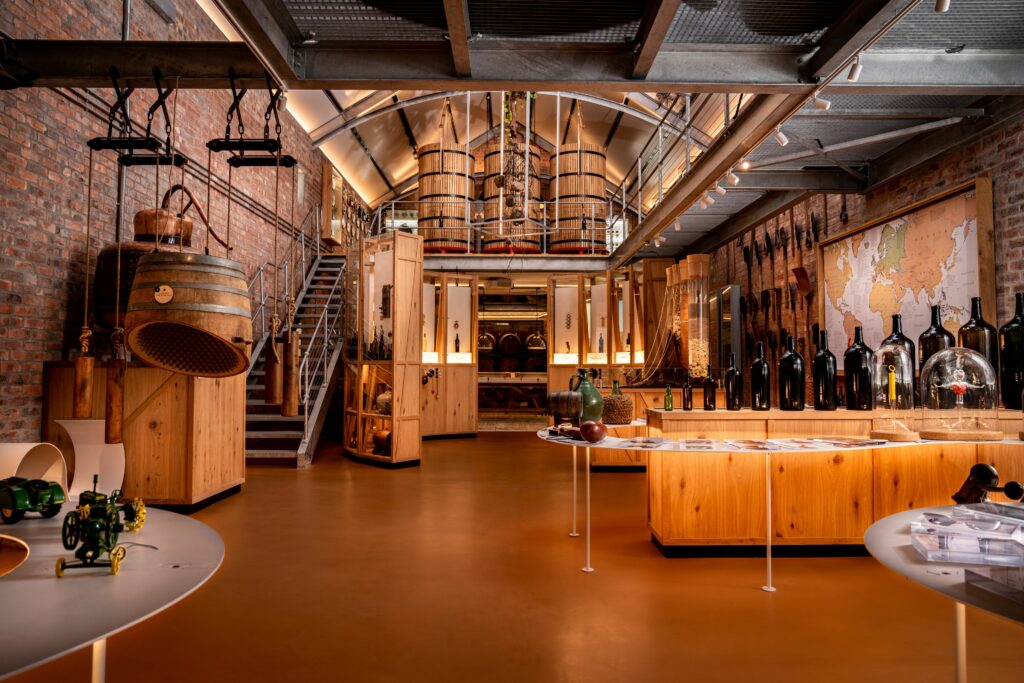
The Tasting Room
A converted historical cellar space where estate wines are presented for evaluation. The structure retains original architectural elements like thick white walls and exposed timber beams.
Visit during the morning to sample selections in a quieter space.
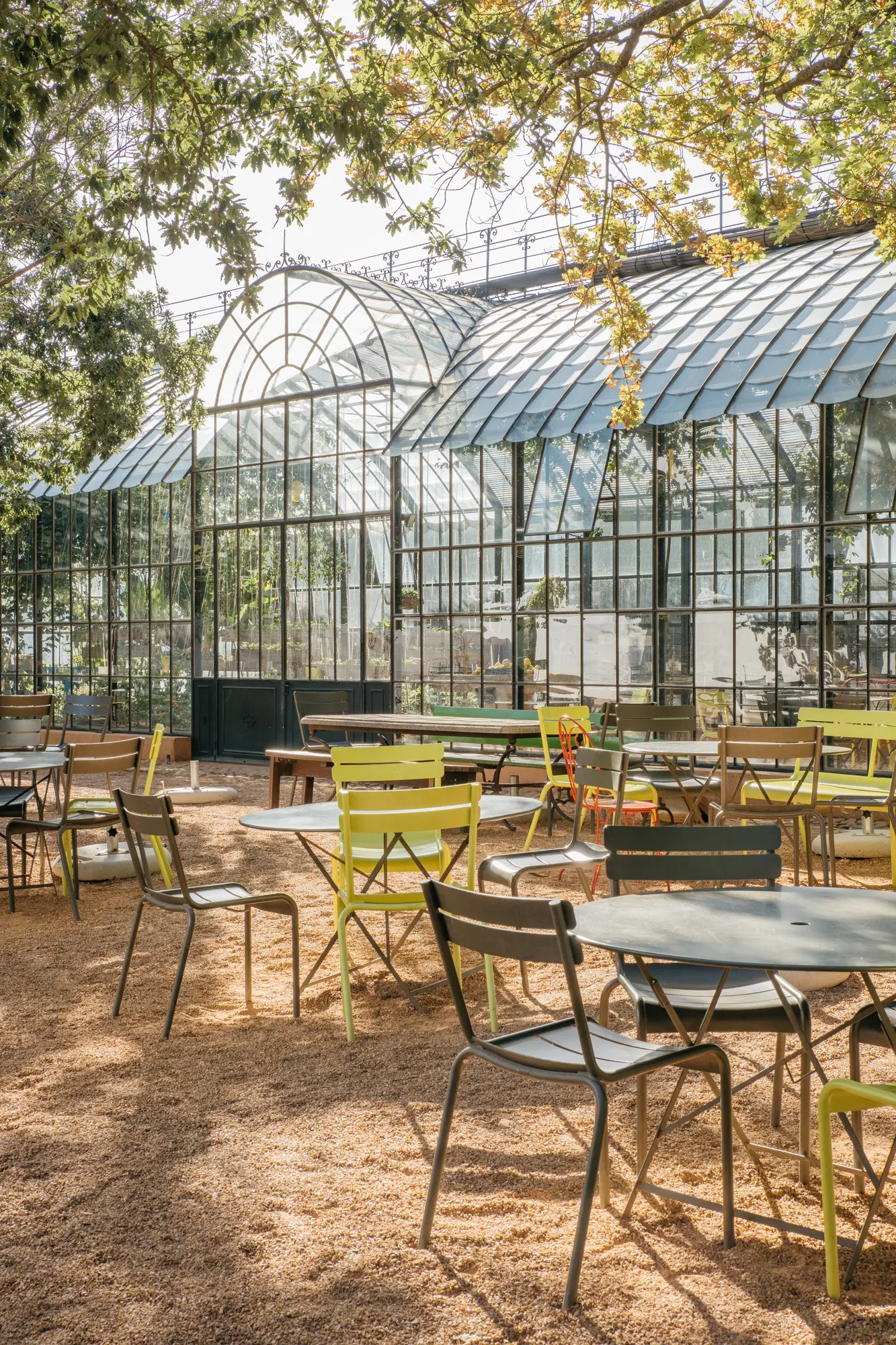
The Greenhouse
A glass-enclosed structure situated within the garden grounds that houses various botanical displays and seasonal nursery plants. It serves as a focal point for the estate’s horticultural efforts.
Observe the structural details of the glass framing from outside.
Dining at Cape Town Wine Farms to Visit
Dining options at Cape Winelands estates range from formal sit-down restaurants to casual garden cafes. Planning meal reservations in advance is recommended, as popular venues often reach capacity during peak hours.
Babylonstoren Greenhouse
€€café
Located within the garden, this venue offers light meals and tea in a glass-walled setting.
Babylonstoren Babel
€€€restaurant
Situated in the renovated cow shed, this restaurant focuses on seasonal farm-to-table cuisine.
Simondium Country Store
€€café
Located a short drive from local farms, this venue provides a casual alternative for coffee and light lunches.
Klapmuts Farm Stalls
€street
Found along the main routes between farms, these roadside stops offer local produce and quick snacks for those avoiding formal dining prices.
Nearby Cape Town Wine Farms to Visit
The Simondium area serves as a central hub in the Cape Winelands, allowing for easy transitions between historic estates and contemporary tasting rooms. Visitors often combine their time here with neighbouring properties to experience the varied terroir and architectural styles of the region.
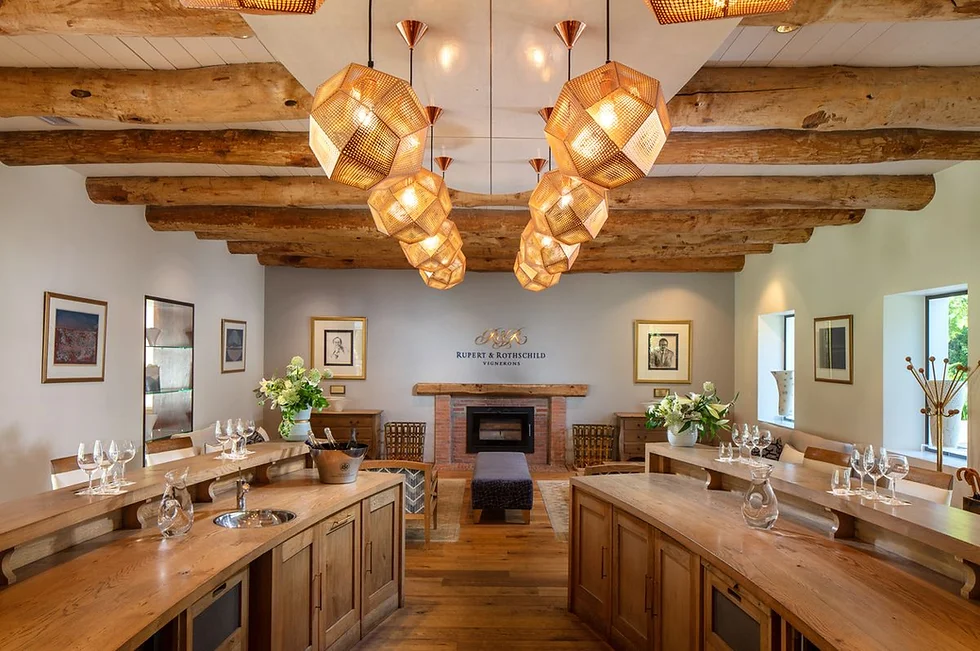
Rupert & Rothschild Vignerons
This estate focuses on wine production and offers a refined tasting experience that complements the garden-centric pace of the area.
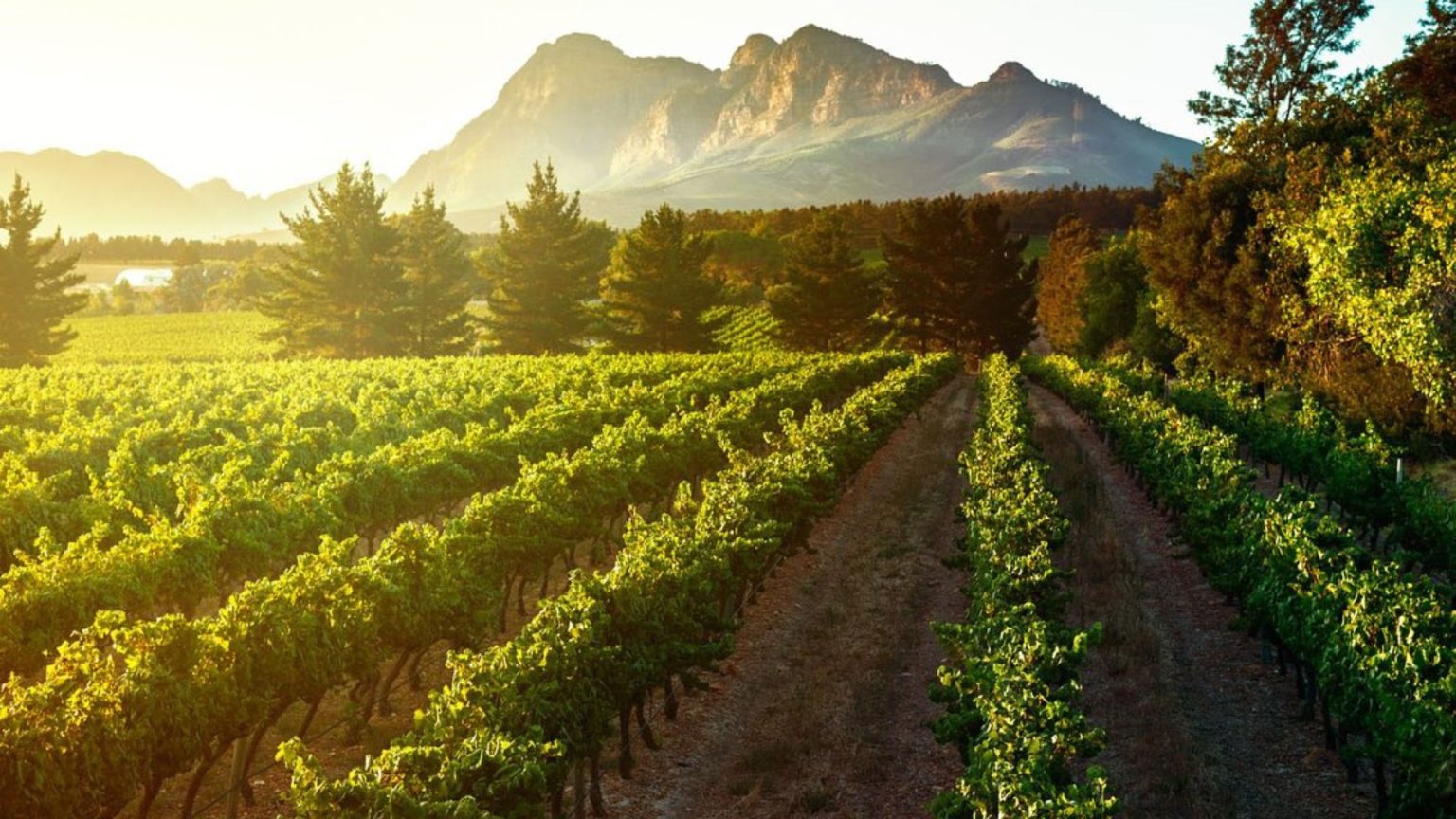
Glen Carlou Vineyards
Located nearby, this winery provides views of the Simonsberg Mountains and specialises in Chardonnay, offering a distinct contrast to the vegetable garden focus found at Babylonstoren.
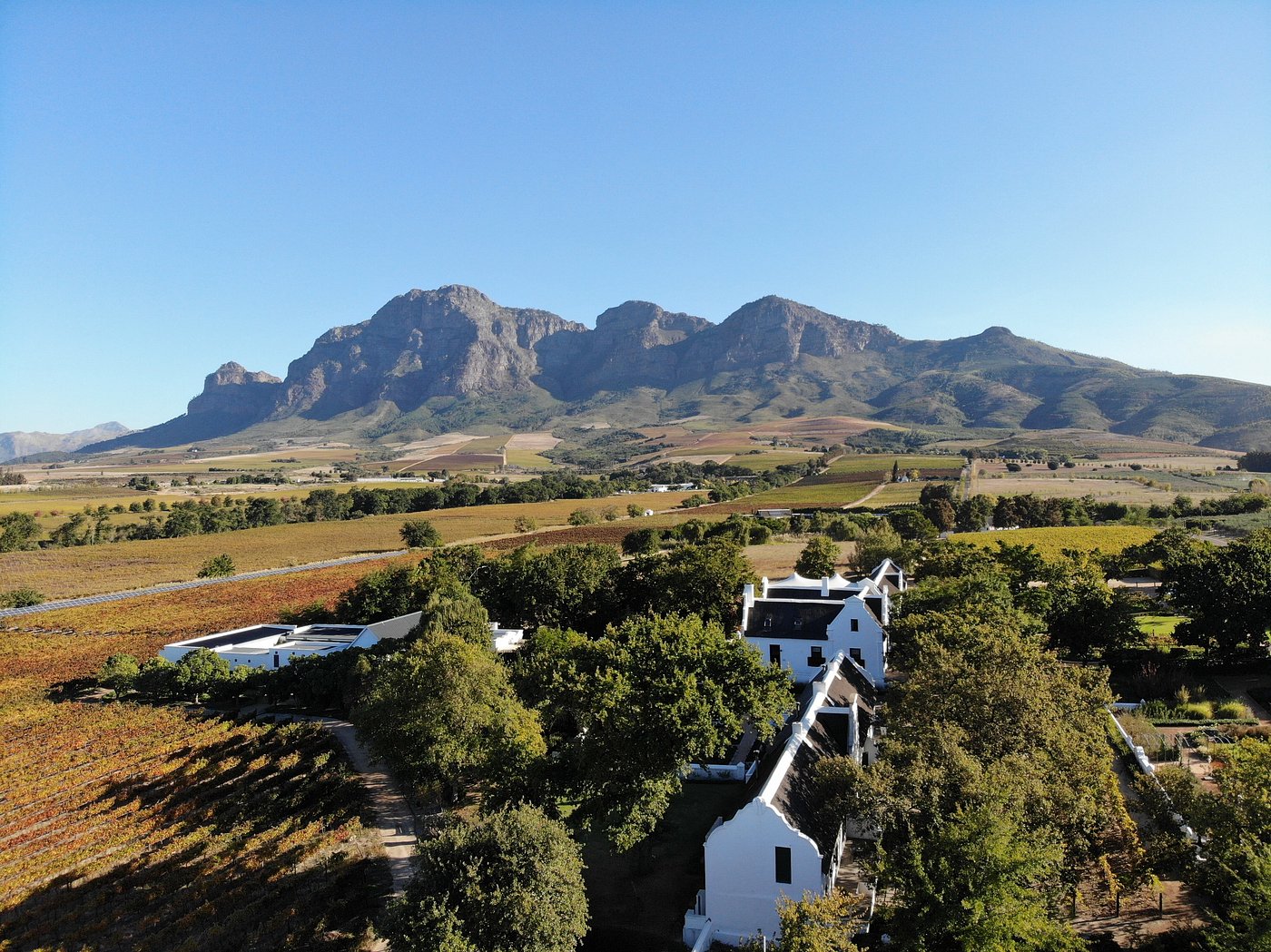
Vrede en Lust Estate
Positioned at the foot of the Simonsberg, this property provides a historical perspective and expansive vineyard vistas, making it a logical next stop on a Winelands route.
Check availability
Frequently Asked Questions About Cape Town Wine Farms
Everything you need to know about cape town wine farms to visit