

Quick answer
Standard wine tasting fees across Cape Town's estates range from 150 to 300 ZAR per person for a flight of five to six wines. Groot Constantia charges 170 ZAR for five wines, while Stellenbosch and Franschhoek properties typically ask 200 to 250 ZAR. Premium reserve tastings and food pairings run 400 to 600 ZAR, and most estates waive the fee if you purchase wine.
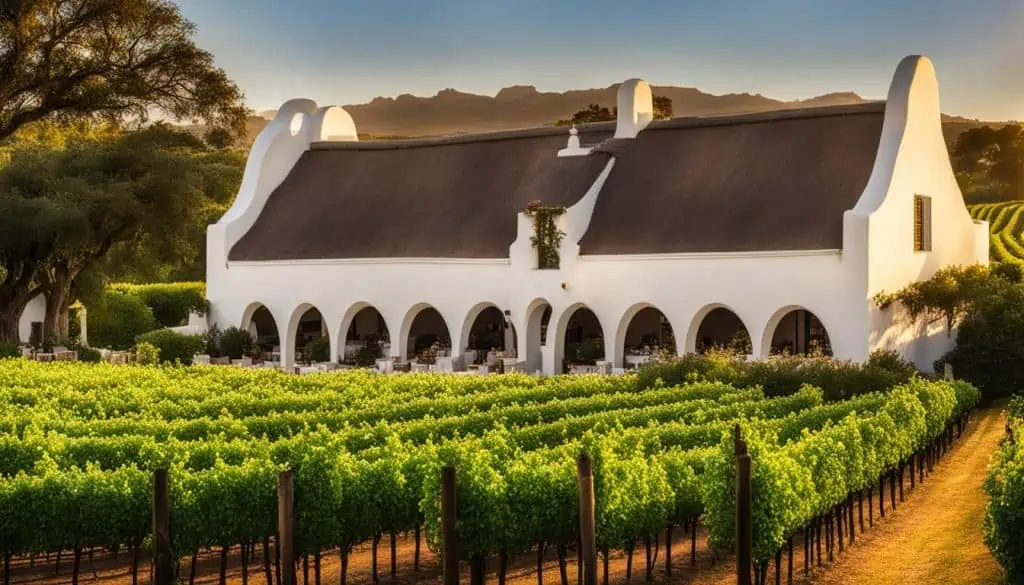
South Africa's wine industry operates on a tasting-fee model borrowed from Napa and Bordeaux, but the Cape Winelands keep their pricing a full tier below international benchmarks. A 170 ZAR standard tasting at Groot Constantia buys five pours of estate wine in the oldest wine-producing farm in the southern hemisphere, established in 1685. The same experience in Sonoma costs three times as much. Cape town wine tasting prices reflect both the estate's reputation and the wine selection on offer. Younger properties in Durbanville and Constantia charge 150 to 200 ZAR for entry-level flights, often featuring sauvignon blanc and chenin blanc from recent vintages. Historic cellars in Stellenbosch—Rust en Vrede, Tokara, Delaire Graff—ask 250 to 350 ZAR, and that fee includes reserve cabernet and bordeaux blends aged three to five years. Franschhoek commands the highest rates, with MCC sparkling wine tastings reaching 300 ZAR and chef-paired experiences topping 600 ZAR per person. Tasting costs across the Winelands are structured to convert into bottle sales. Nearly every estate applies your tasting fee as a discount on same-day purchases, so a 200 ZAR tasting becomes free if you buy two bottles. Case discounts run 10 to 15 percent, and some properties offer free shipping within South Africa for orders over 1,500 ZAR. This model keeps the experience accessible while rewarding visitors who support the cellar directly. The category you choose determines the wine you pour. Standard tastings feature the estate's core range—varietal wines released within two years, often unoaked or lightly wooded. Reserve or library tastings unlock older vintages, single-vineyard bottlings, and wines stored in French oak for 18 months or longer. Food pairings add artisan cheese, charcuterie, or plated courses designed by the estate chef, and these experiences require advance booking during the summer harvest season from December through March.
“A 170 ZAR tasting at Groot Constantia buys five pours in the oldest wine-producing farm in the southern hemisphere.”
Cape Town Wine Tasting Prices and Operating Hours
The wine tasting facilities at the estate are open daily throughout the week, including weekends. These hours reflect the standard schedule for guests looking to experience the estate's offerings.
| monday | 09:00–18:00 | |
|---|---|---|
| tuesday | 09:00–18:00 | |
| wednesday | 09:00–18:00 | |
| thursday | 09:00–18:00 | |
| friday | 09:00–18:00 | |
| saturday | 09:00–18:00 | |
| sunday | 09:00–18:00 |
Best Time to Visit for Cape Town Wine Tasting Prices
The best arrival window is 09:00–11:00 to avoid peak afternoon crowds and enjoy the full estate experience. Planning your visit during these hours ensures a quieter atmosphere and more personalized attention from staff.
Weekday mornings
Minimal—
Fewer visitors provide a quieter environment for tastings.
February to April
ModerateWarm, 20°C to 27°C
The harvest season offers active vineyard views and pleasant temperatures.
October to November
ModerateMild, 17°C to 23°C
Spring brings blooming gardens and mild weather, ideal for outdoor exploration.
Verdict: Visit on weekday mornings during April or October to experience the estate at its most tranquil.
Getting to Your Cape Town Wine Tasting Experience
Groot Constantia is located in the Constantia Valley, approximately 15 kilometers south of Cape Town city center. The estate is most easily accessed by car via the M3 highway.
M3 highway to Constantia Main Road (M41) and follow signs for Groot Constantia Road
Direct service from Cape Town CBD to Groot Constantia Road
MyCiTi bus to Constantia area then local taxi or ride-share
Key Sights During Your Cape Town Wine Tasting
Exploring the Groot Constantia estate allows visitors to engage with centuries of viticultural history alongside contemporary production facilities. These grounds provide a comprehensive view of how Cape wine culture has evolved from its origins to the present day.
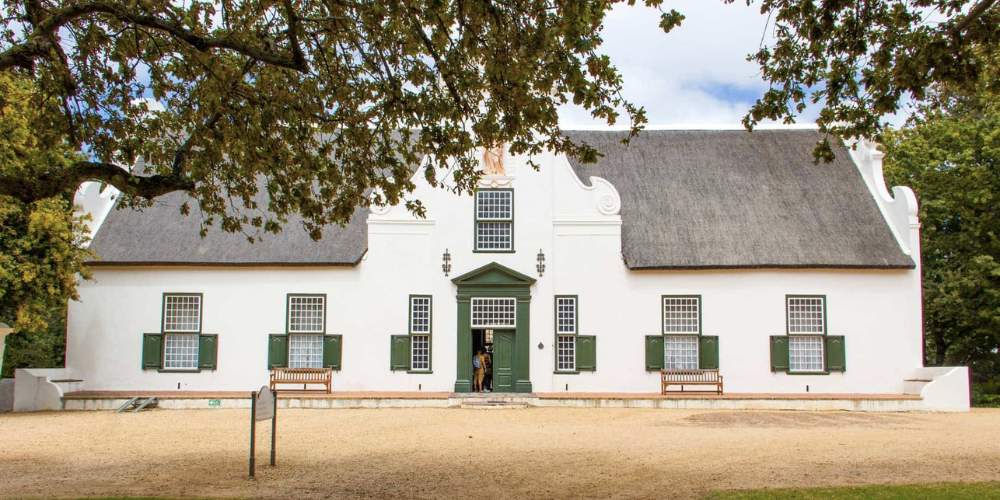
The Manor House
This 17th-century building serves as a museum, displaying period furniture and historical artifacts that illustrate the lifestyle of the estate's early owners.
View the detailed gables and internal architecture from the courtyard.
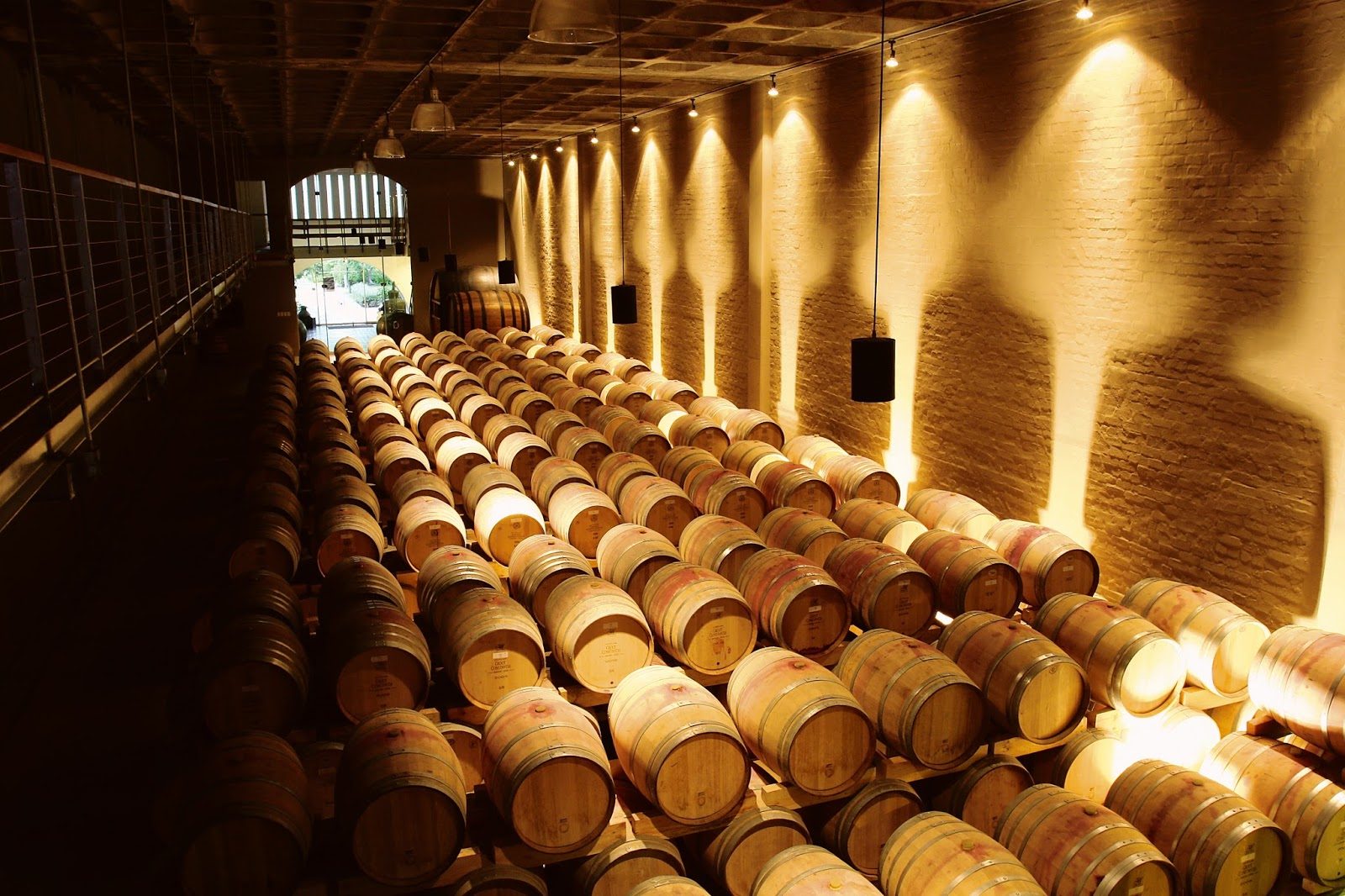
Production Cellar
The modern cellar facility offers insight into the current winemaking process, including fermentation and barrel aging techniques.
Observe the stainless steel tanks from the designated viewing walkway.
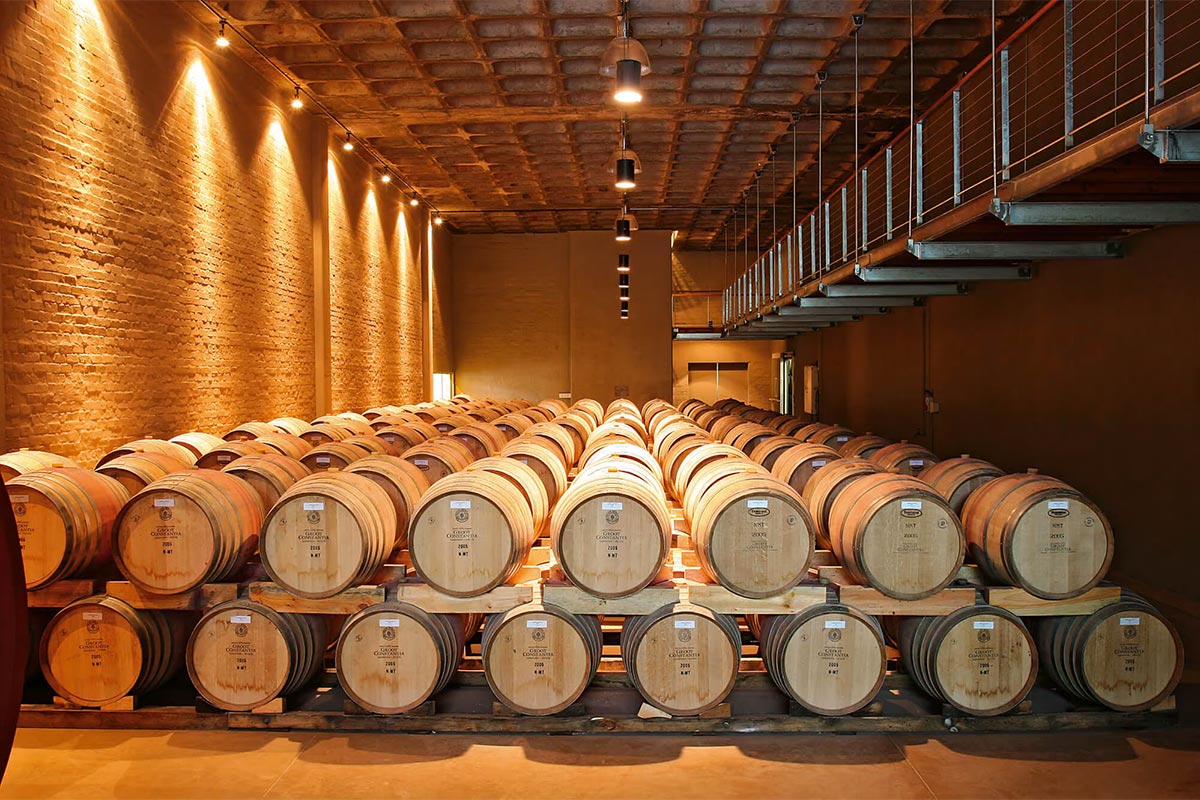
Cloete Cellar
Known as the original wine cellar, this space housed the famous Constantia dessert wine enjoyed by historical figures.
Check the wall markings to identify original storage areas.
Estate Gardens
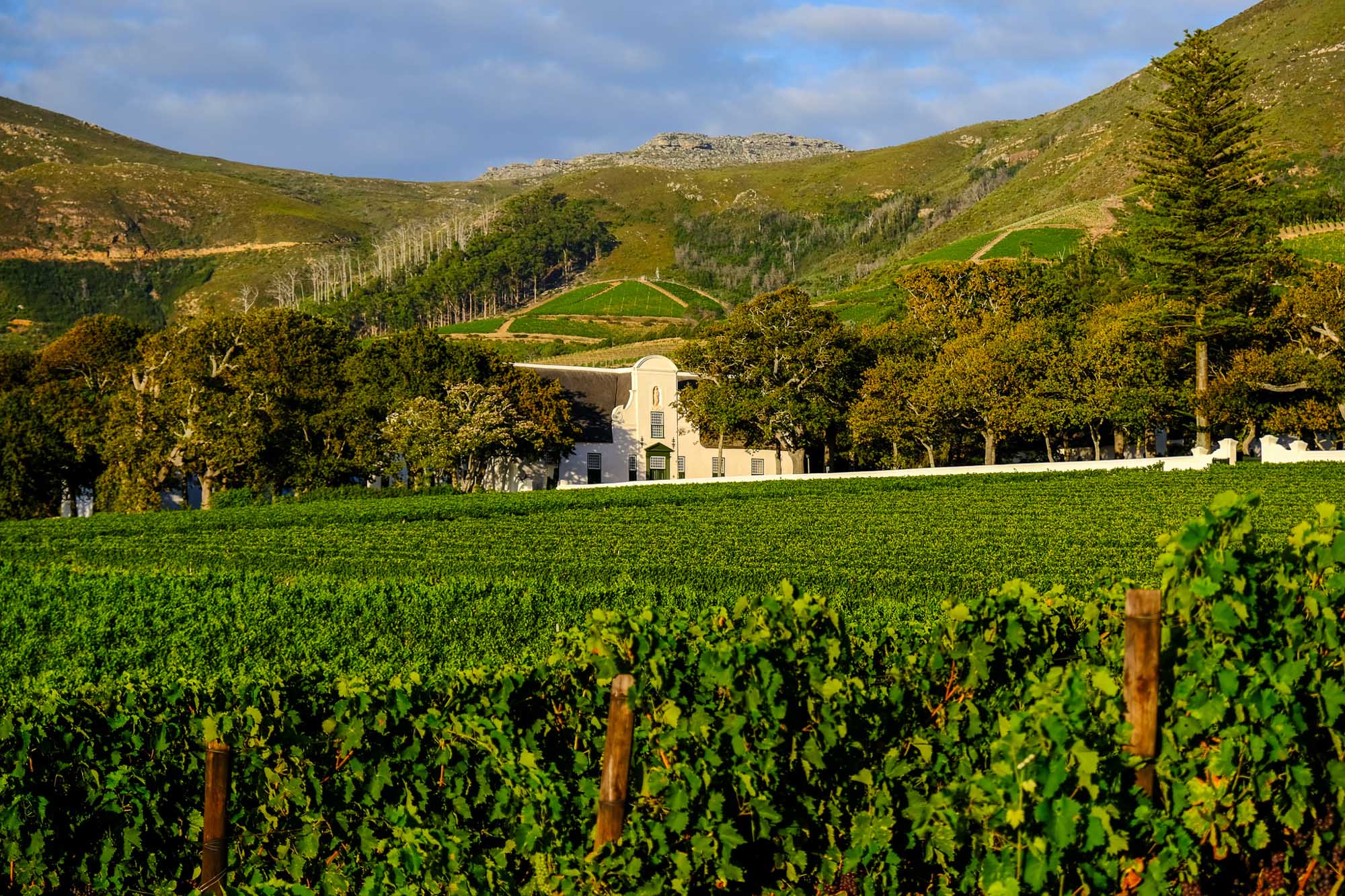
The grounds surrounding the buildings feature oak trees and vineyards that provide a setting for the estate's agricultural history.
Walk the perimeter path to see the vineyard layout.
Check availability
Frequently Asked Questions About Cape Town Wine Tasting Prices
Everything you need to know about cape town wine tasting prices