9 hr
Full-Day Cape Winelands Tour with Tastings & Lunch
- Expert local guide
- Small group
- Skip-the-line access
- Free cancellation
Cape Town Wine Tasting Packages — Estate Tours & Cellar Visits
Stellenbosch slopes to Franschhoek valleys, a curated day among the vines
Compare fares, pick the fit — all bookings are mobile-voucher and eligible for free cancellation where shown.
9 hr
8 hr 30 min
8 hr 30 min
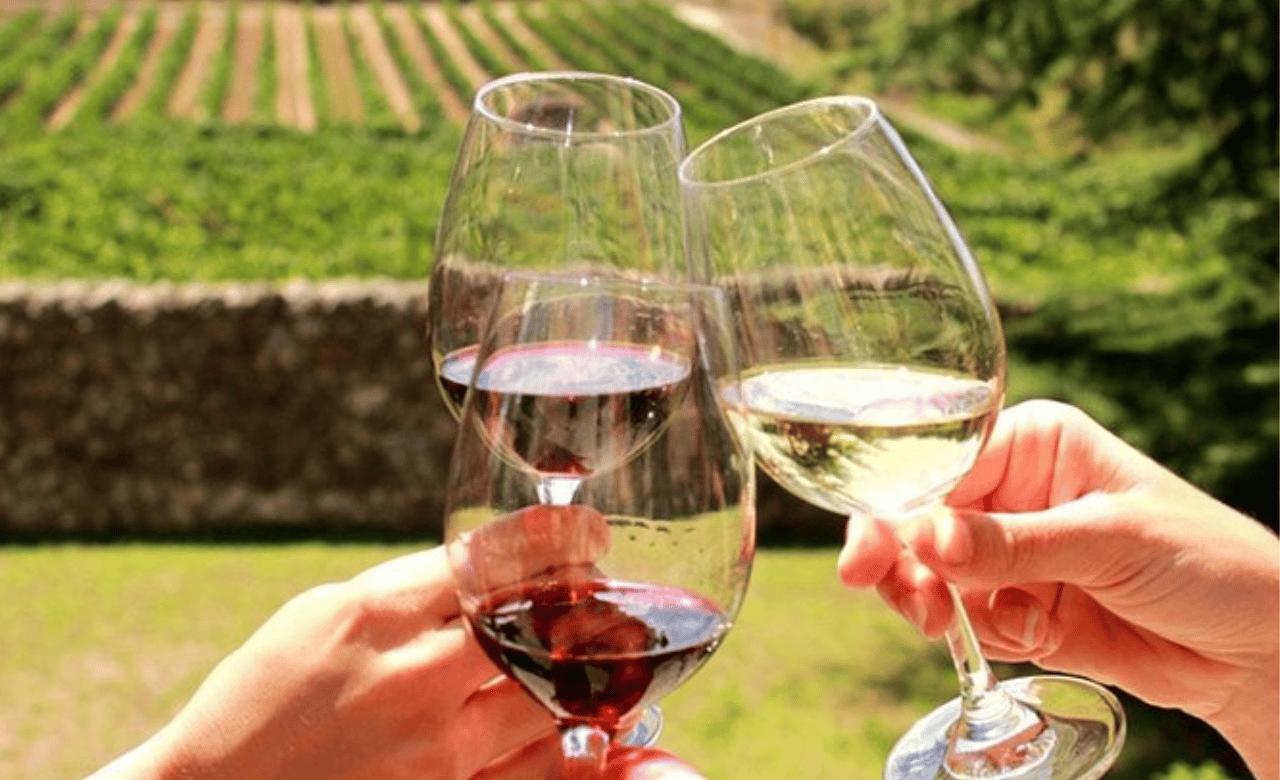
Visitors exploring the region can choose between various cape town wine tasting packages to suit their individual preferences. These selections allow guests to navigate the diverse vineyards and cellar doors of the Cape Winelands efficiently.
| Standard Tasting Individual Cellars |
Top pick Full Day Experience Guided Transport |
|
|---|---|---|
| Entrance Fee | 0 ZAR | 0 ZAR |
| Tasting Fees | Paid per cellar | Inclusive of package |
| Access Method | Self-drive | Guided tour shuttle |
| Timing | Flexible | Pre-scheduled stops |
| Best For | Independent travelers | First-time visitors |
| See tickets & prices |
Verdict: For those seeking a curated outing, these cape town wine tasting packages tours offer a seamless way to enjoy the region's famous viticulture.
Worth it for wine enthusiasts and first-timers
Cape town wine tasting packages deliver strong value when you factor in transport, expert guidance, and cellar access across Stellenbosch, Franschhoek, and Paarl. Individual estates charge ZAR 50–150 per tasting, and driving between wineries yourself means navigating unfamiliar roads while staying sober. Full-day tours bundle four to six tastings, lunch at a wine estate, and round-trip hotel transfers for less than the cost of hiring a private driver. Half-day Stellenbosch options work for travelers short on time, while the Franschhoek Wine Tram adds novelty with hop-on, hop-off cellar access. These wine tasting tours are worth it if you want curated estates, background on terroir and winemaking, and safe transport. Serious collectors and repeat visitors might prefer self-drive flexibility to target specific producers, but first-timers gain efficiency and insight that justify the package price.
Bottom line: Package tours maximize cellar access and eliminate logistics, making them the practical choice for most visitors exploring the Winelands for the first time.
Guided tours provide stress-free transport and curated experiences, whereas independent driving offers total schedule freedom for visitors. Choosing between cape town wine tasting packages and self-drive exploration depends on your preference for logistics management versus autonomy.
|
Top pick Guided Packages |
Independent Drive | |
|---|---|---|
| Logistics | Pre-arranged transport and logistics | Self-managed vehicle rental and planning |
| Navigation | Curated routes by local guides | GPS-dependent self-navigation |
| Safety | Professional driver included | Requires designated driver for alcohol consumption |
| Pacing | Fixed schedule with group timing | Flexible personal pace at each estate |
| Cost Structure | All-inclusive fee for tour | Variable per-stop fees and fuel |
| Atmosphere | Social environment with group | Private experience for you and guests |
| See tickets & prices |
Verdict: Opt for cape town wine tasting packages tours if you prefer a seamless, social journey, or choose independent driving for maximum control over your itinerary.
Hand-picked experiences loved by thousands of travelers
9.5 hours
Free Cancellation
Journey through Stellenbosch and Franschhoek with tastings, chocolate pairings, and a scenic wine tram ride
5 hours
Free Cancellation
Group wine adventure featuring tastings at two estates, cheese and biltong pairings, plus free time in historic Stellenbosch
8 hours
Free Cancellation
Spend a full day exploring four distinct wineries in Stellenbosch with tastings, lunch, and transportation included.
8 hours
Free Cancellation
Full-day guided journey through Cape winelands with tastings, historic town walks, and scenic tram ride
5 hours
Free Cancellation
Journey through Cape Town's townships to historic Stellenbosch for wine tastings paired with biltong and cheese
4 hours
Free Cancellation
Discover South Africa's premier wine region with guided cellar tours, tastings, and cheese pairings
5 to 8 hours
Free Cancellation
Discover South Africa's finest wine estates on a tailored private journey through scenic vineyard valleys
Arrive between 09:00 and 11:00 for your first tasting session.
Guided walk through historic barrel rooms and estate grounds.
Dining at a vineyard bistro included in your cape town wine tasting packages.
Return transit to your accommodation.
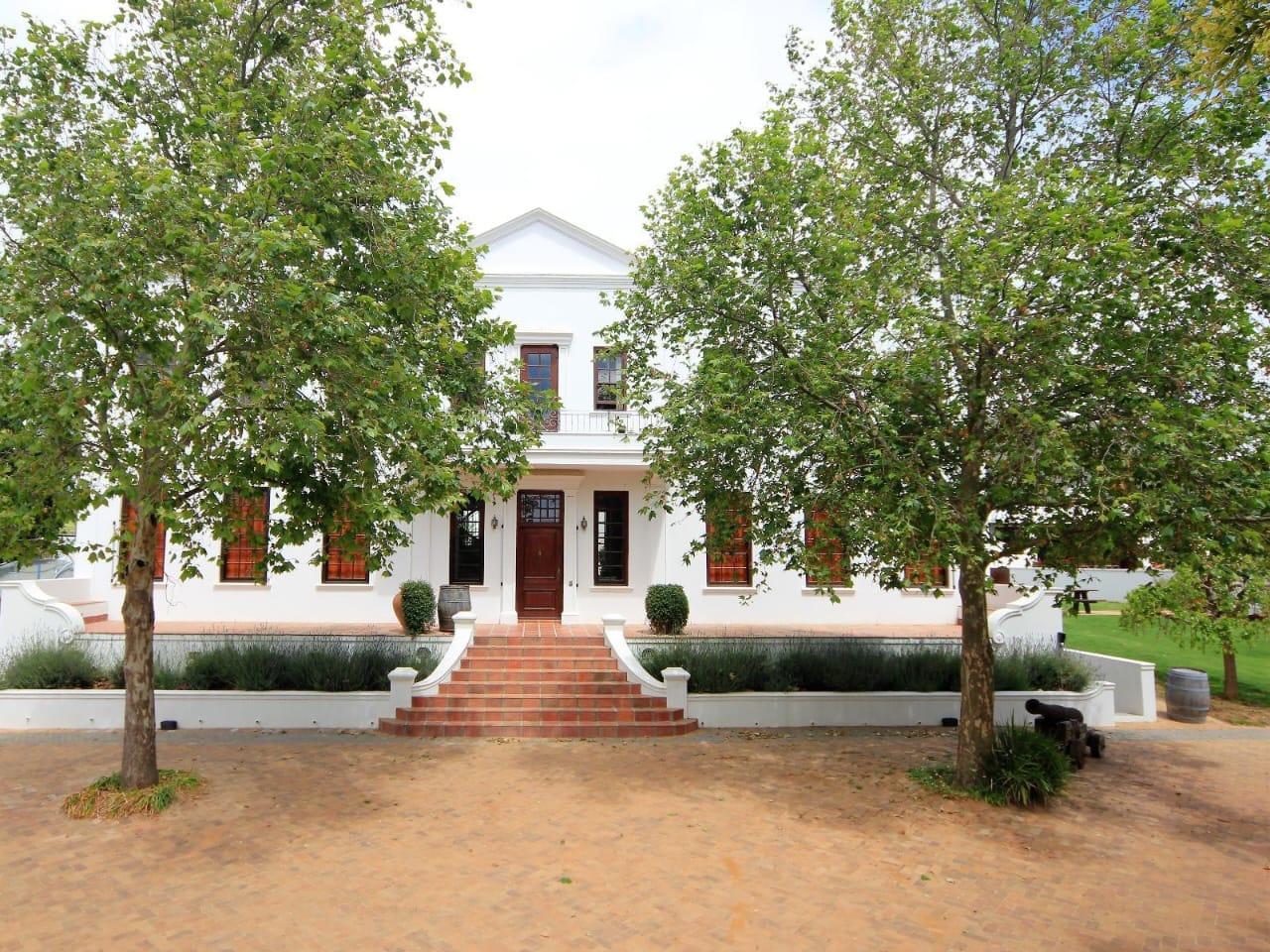
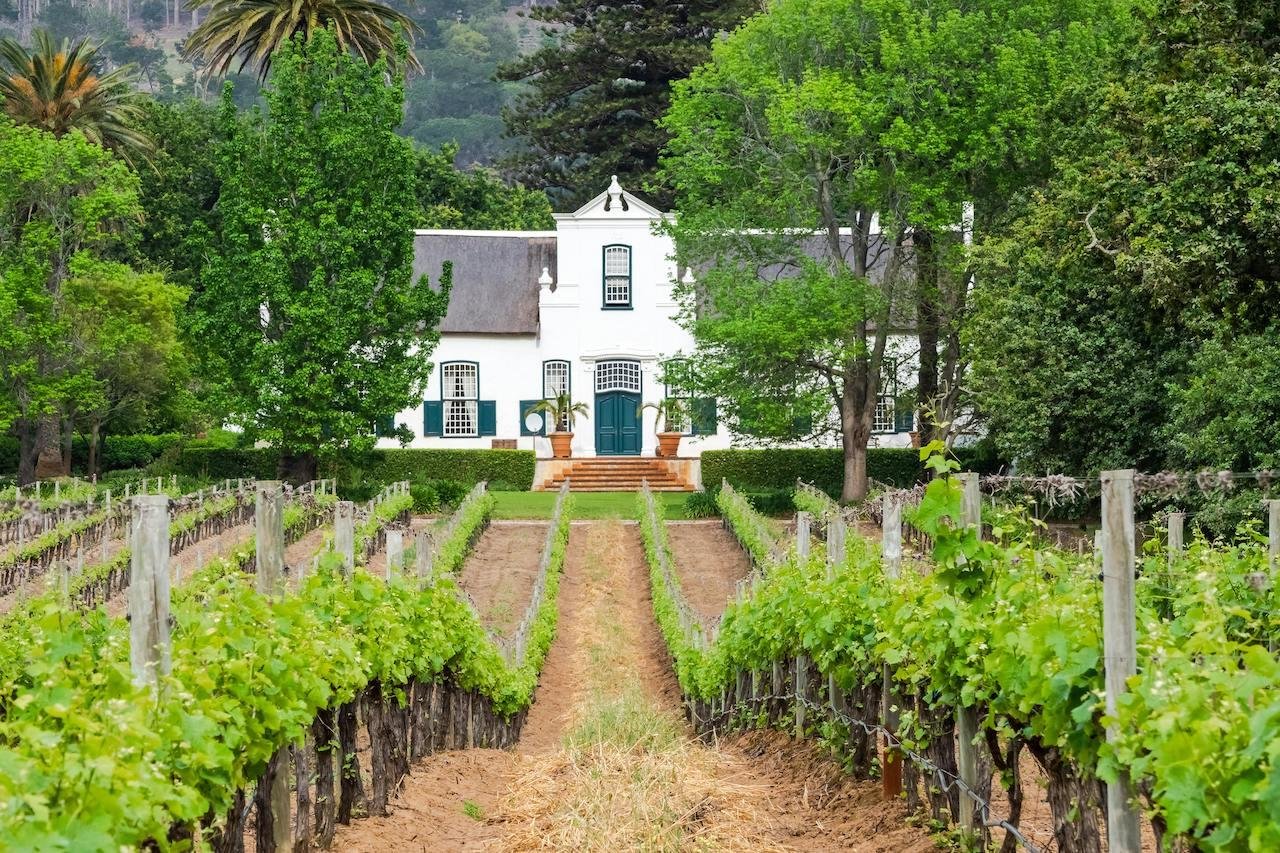
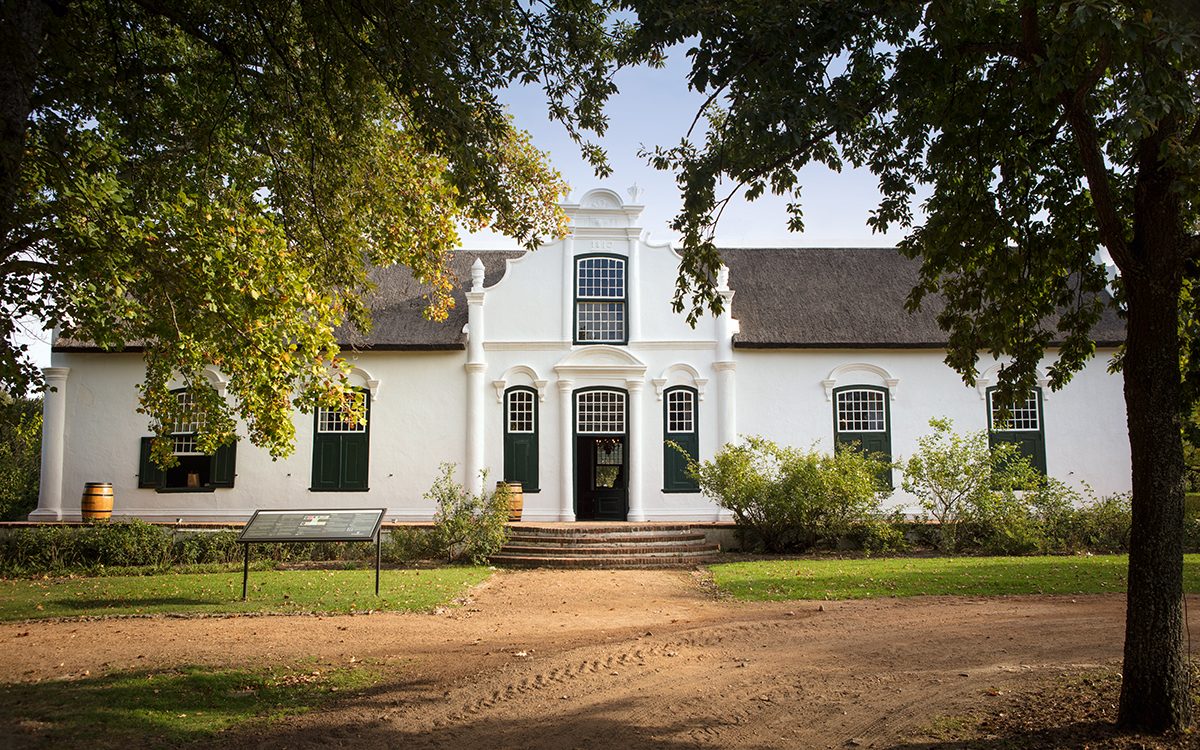
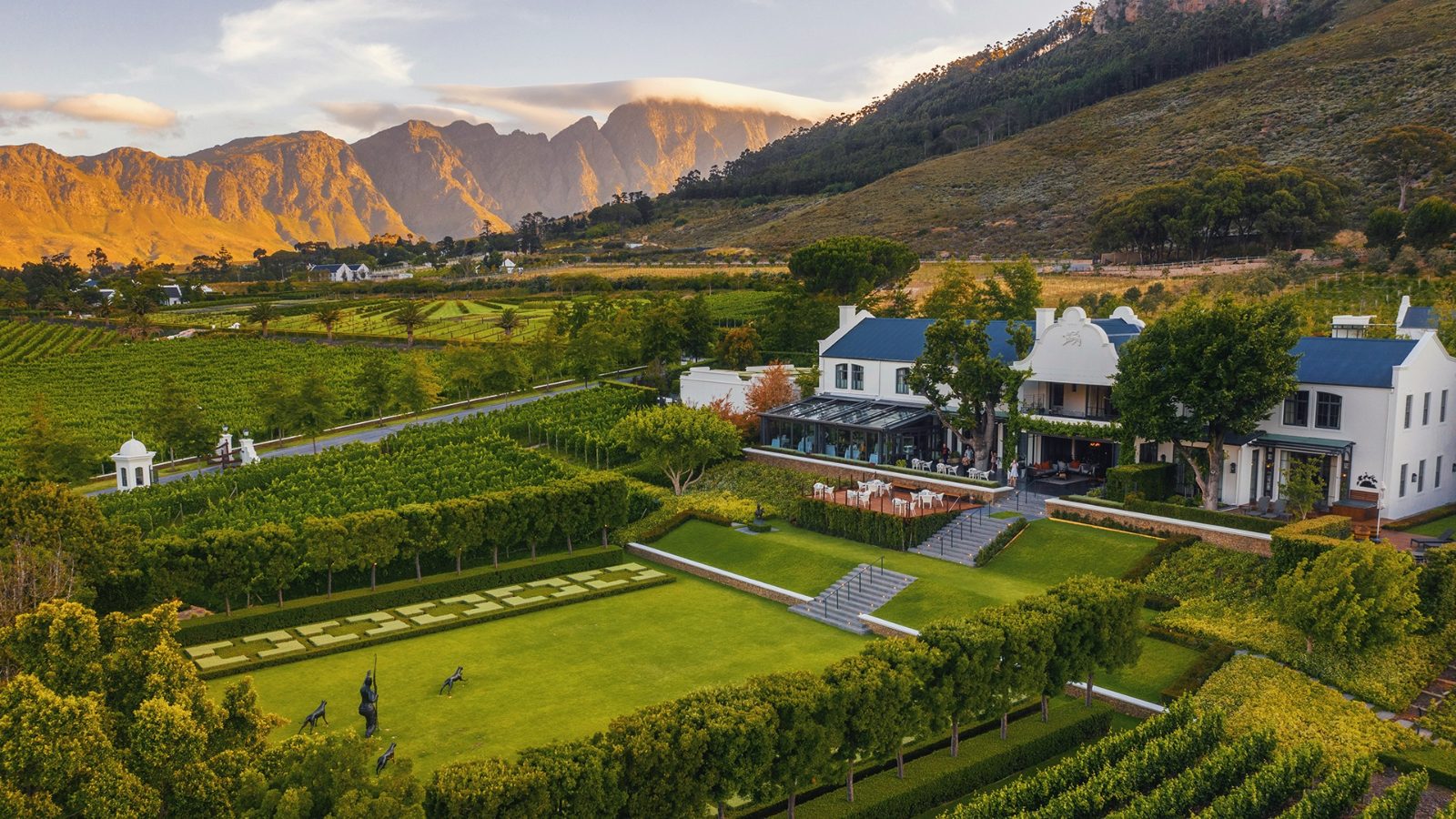
Historic architecture with iconic white gables and thatch roofs built in the 18th century.
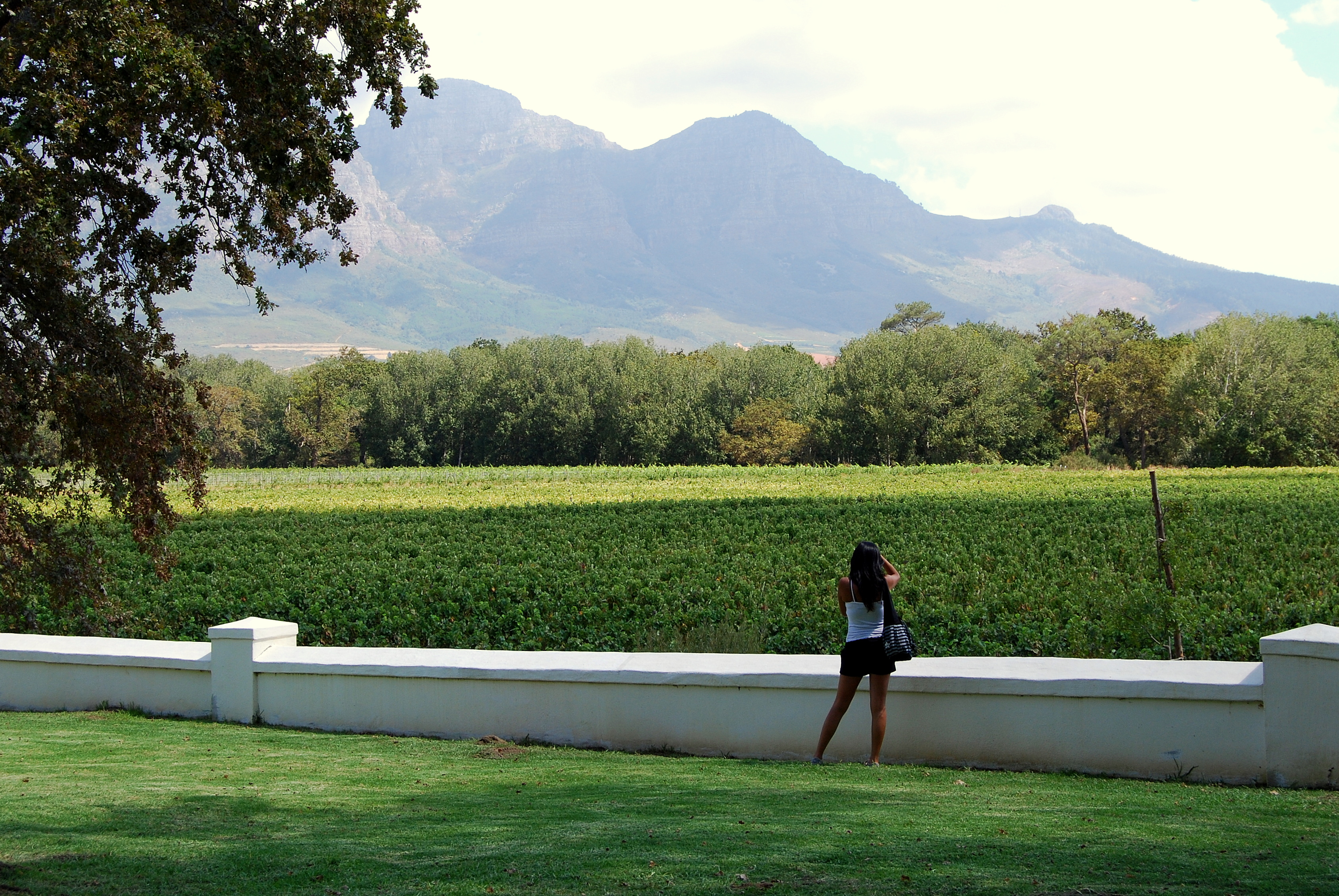
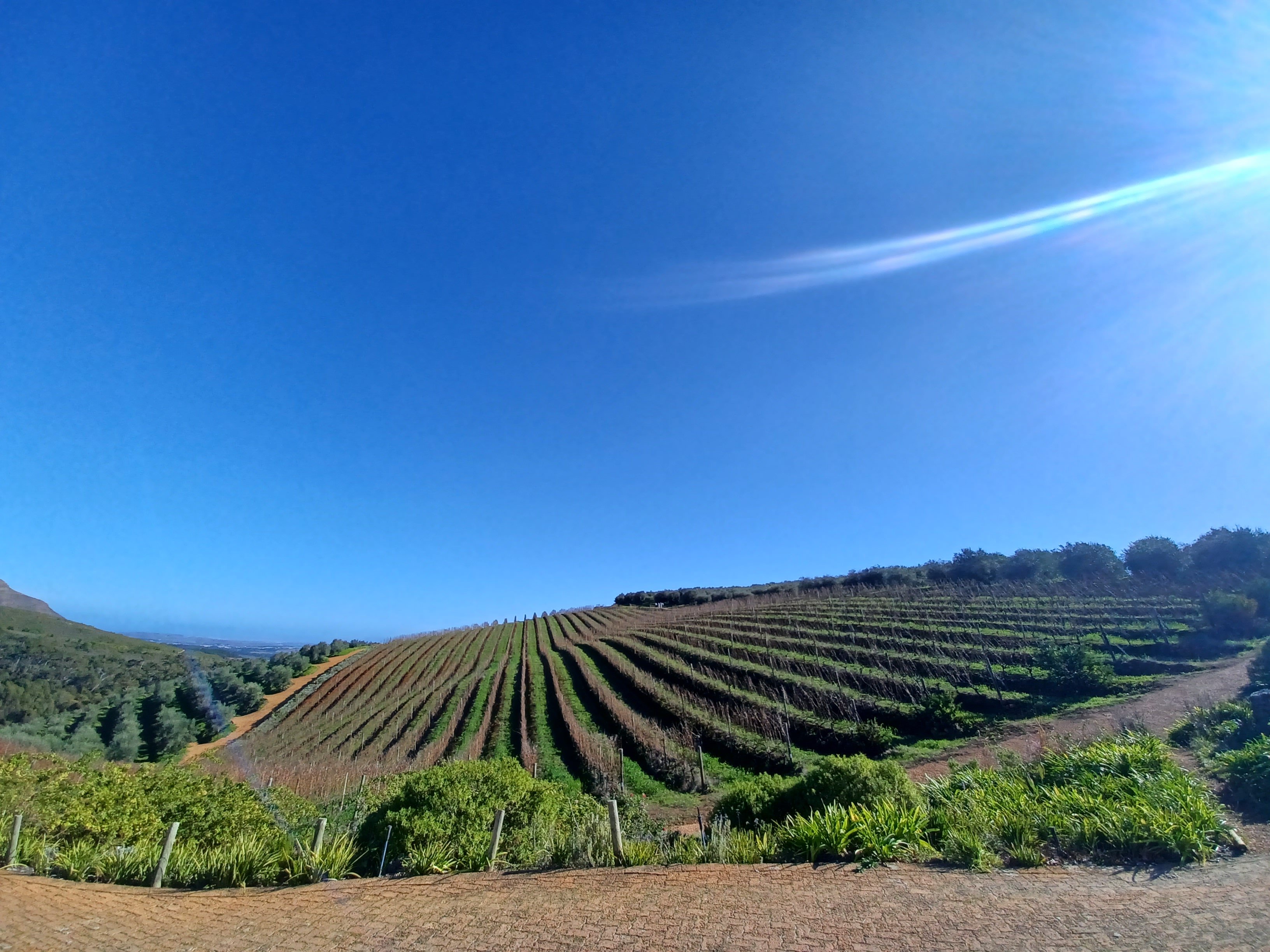
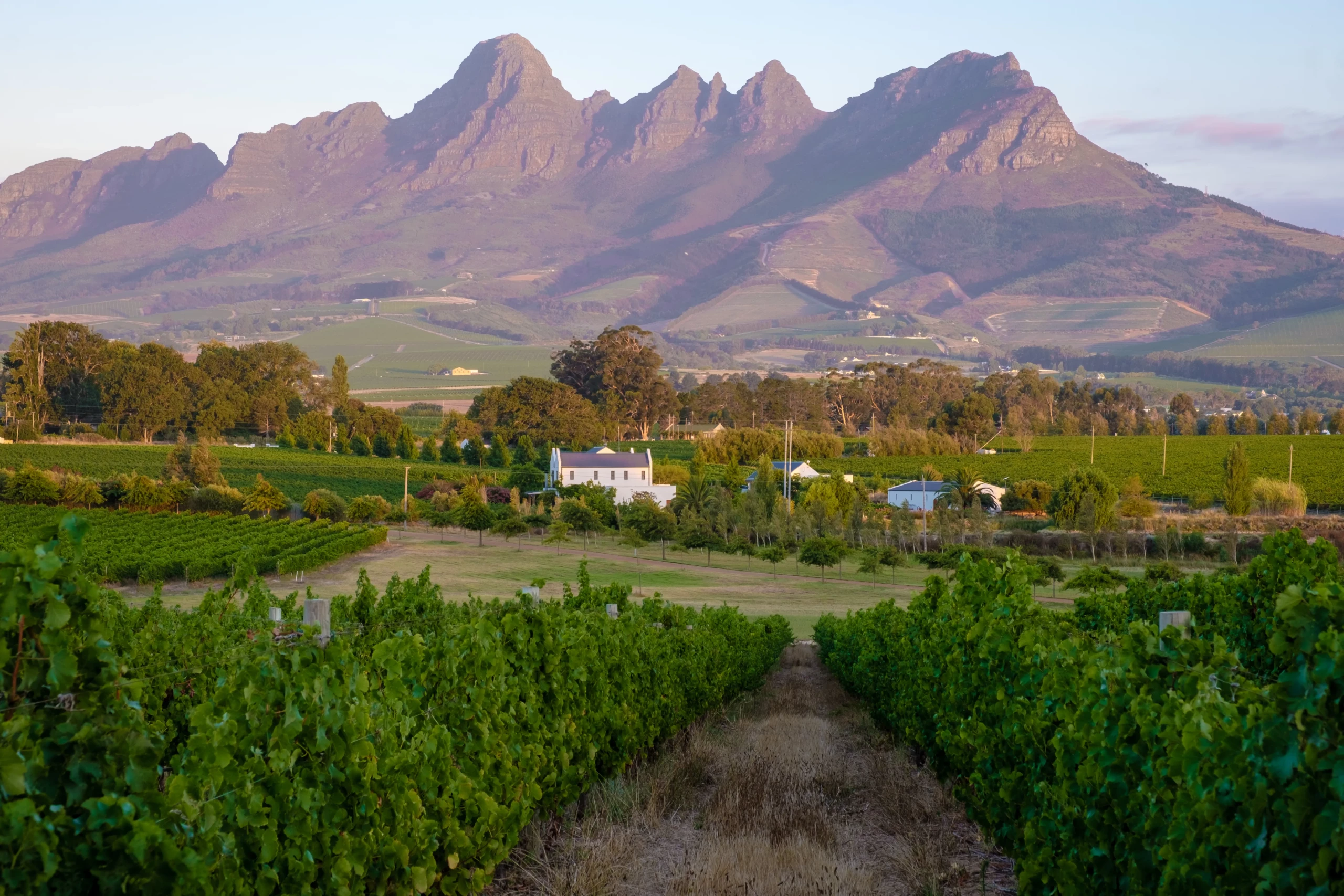
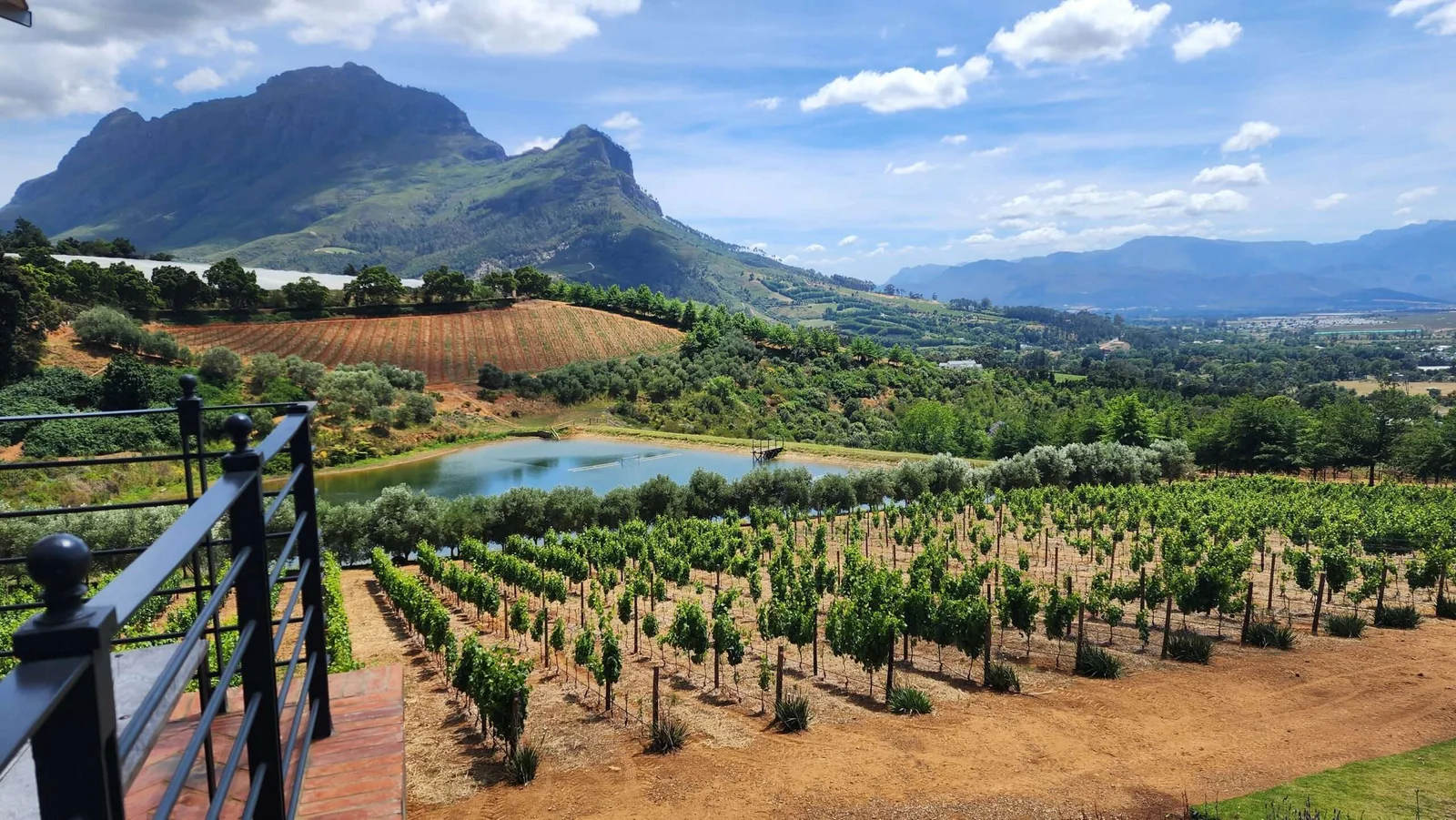
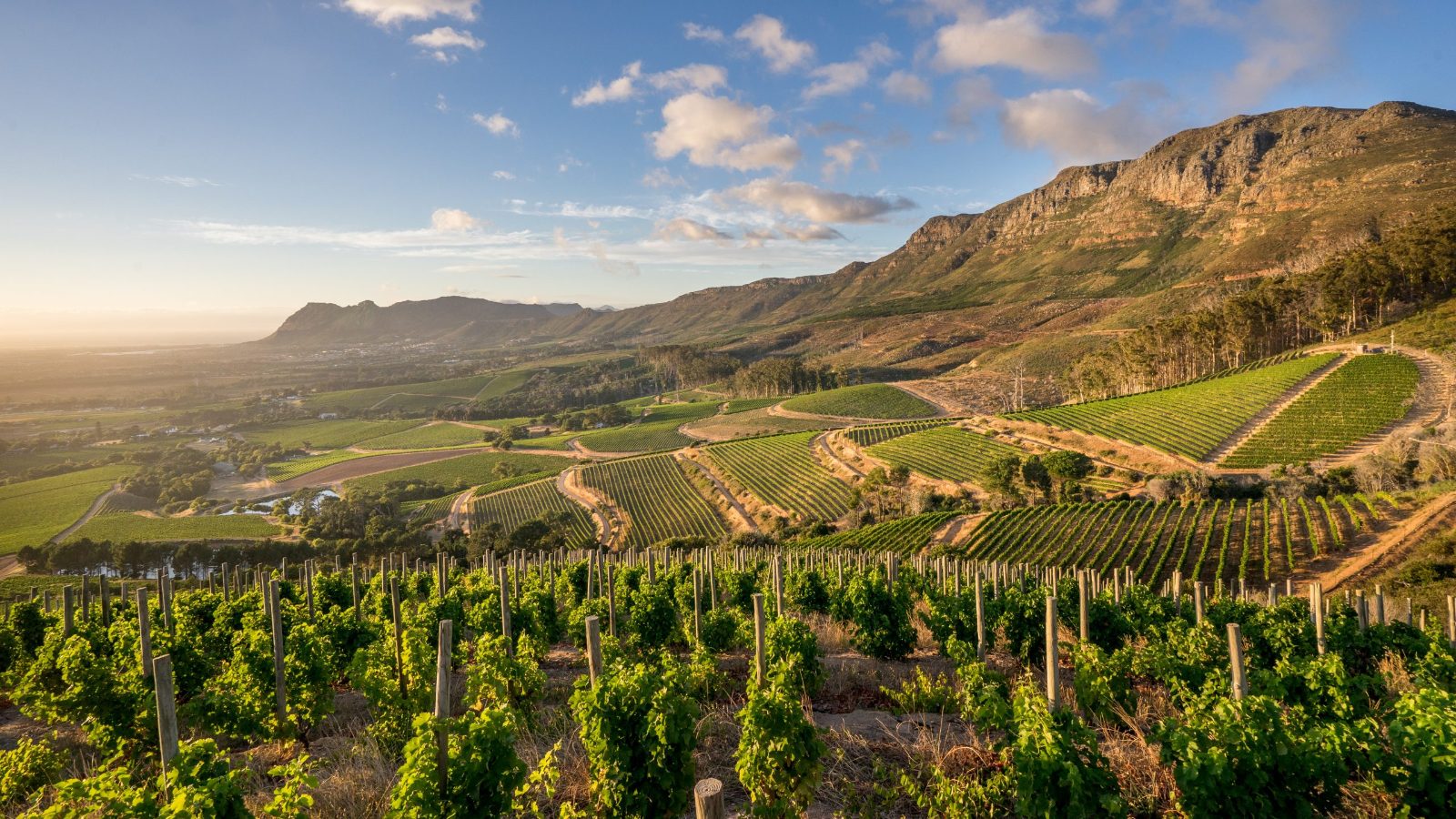
Rows of vines set against rugged mountain backdrops in the Western Cape.
Underground storage areas where wines are aged in French oak barrels.
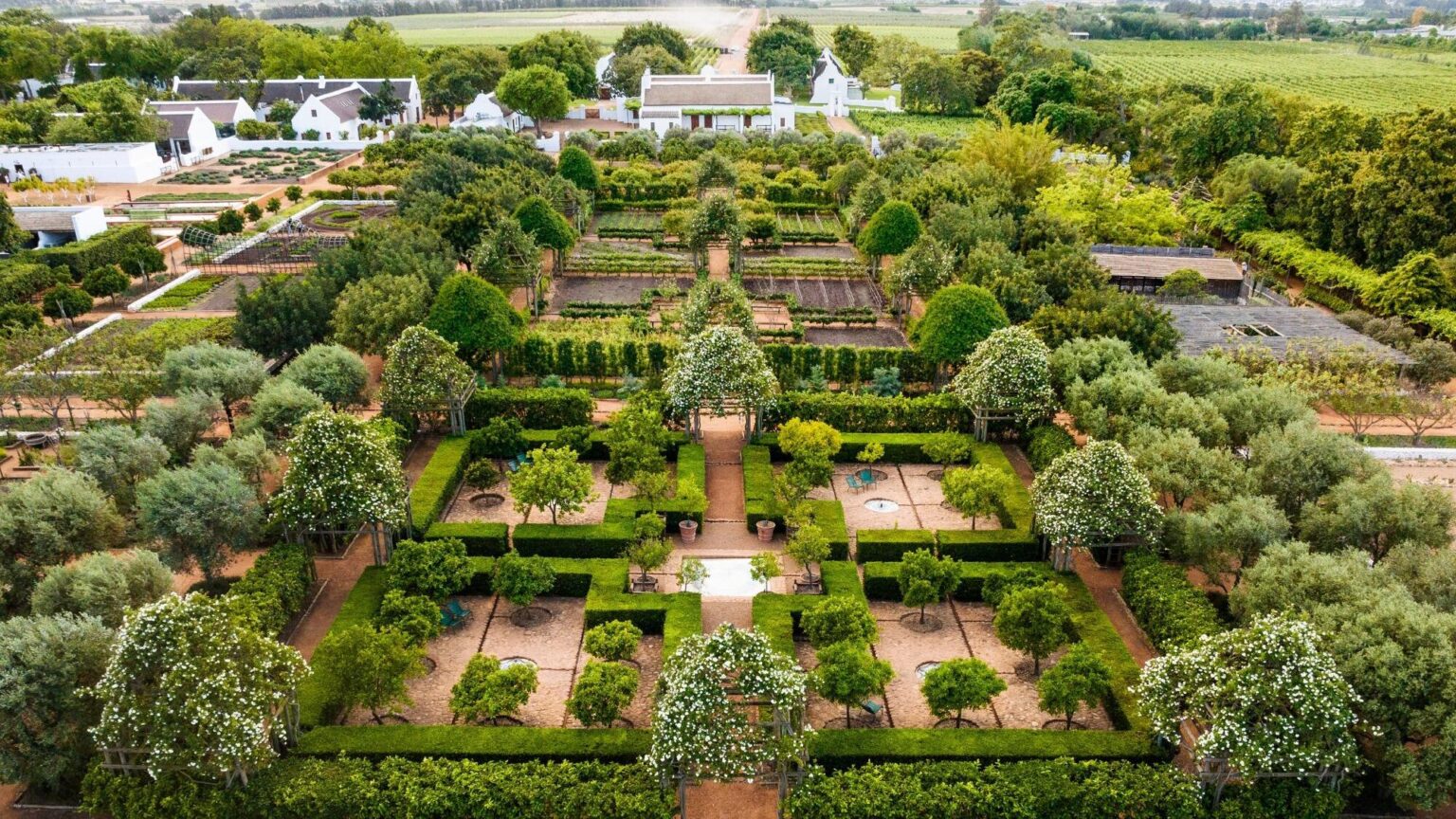
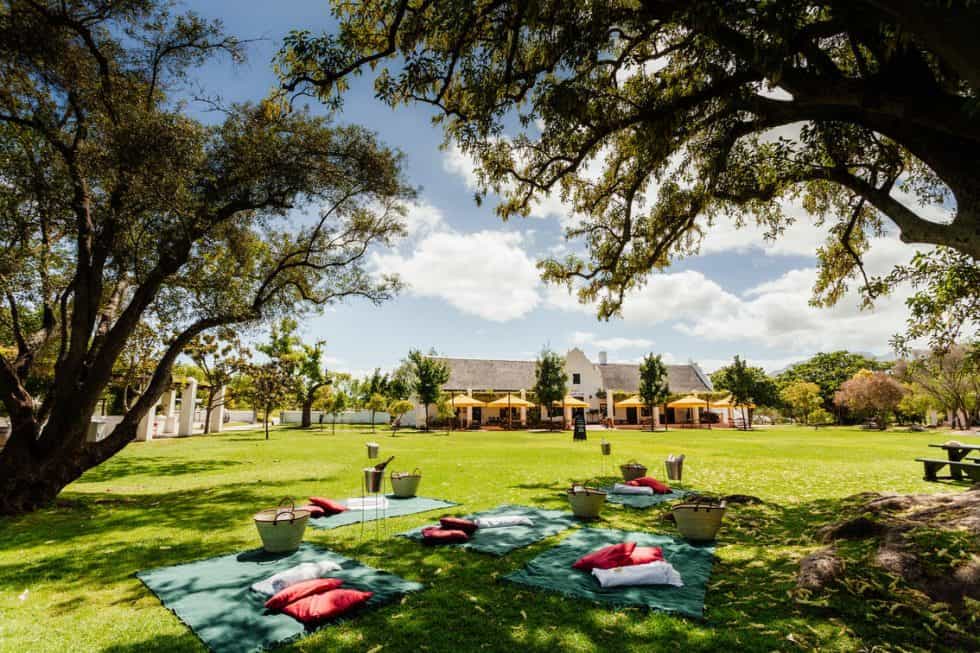
Landscaped grounds often featuring rose gardens and century-old oak trees.
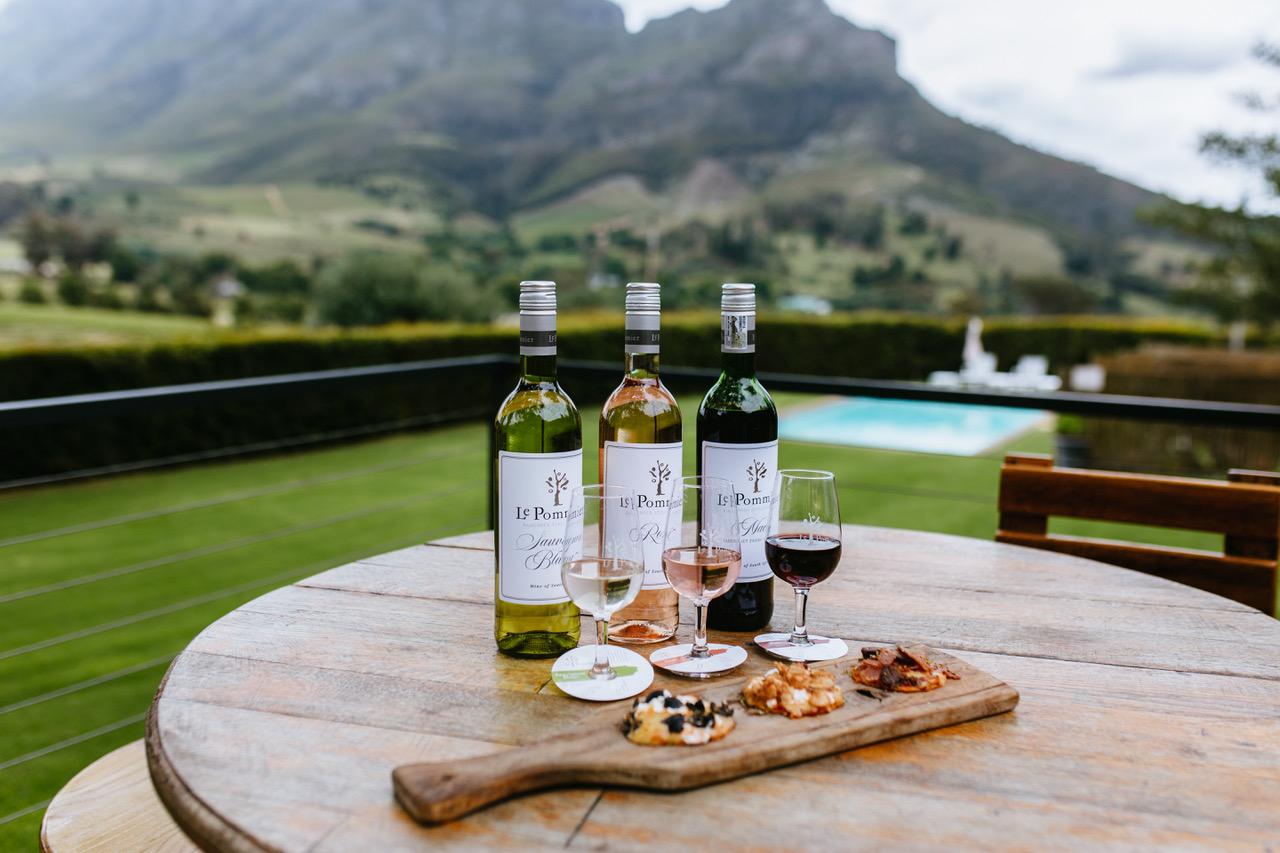
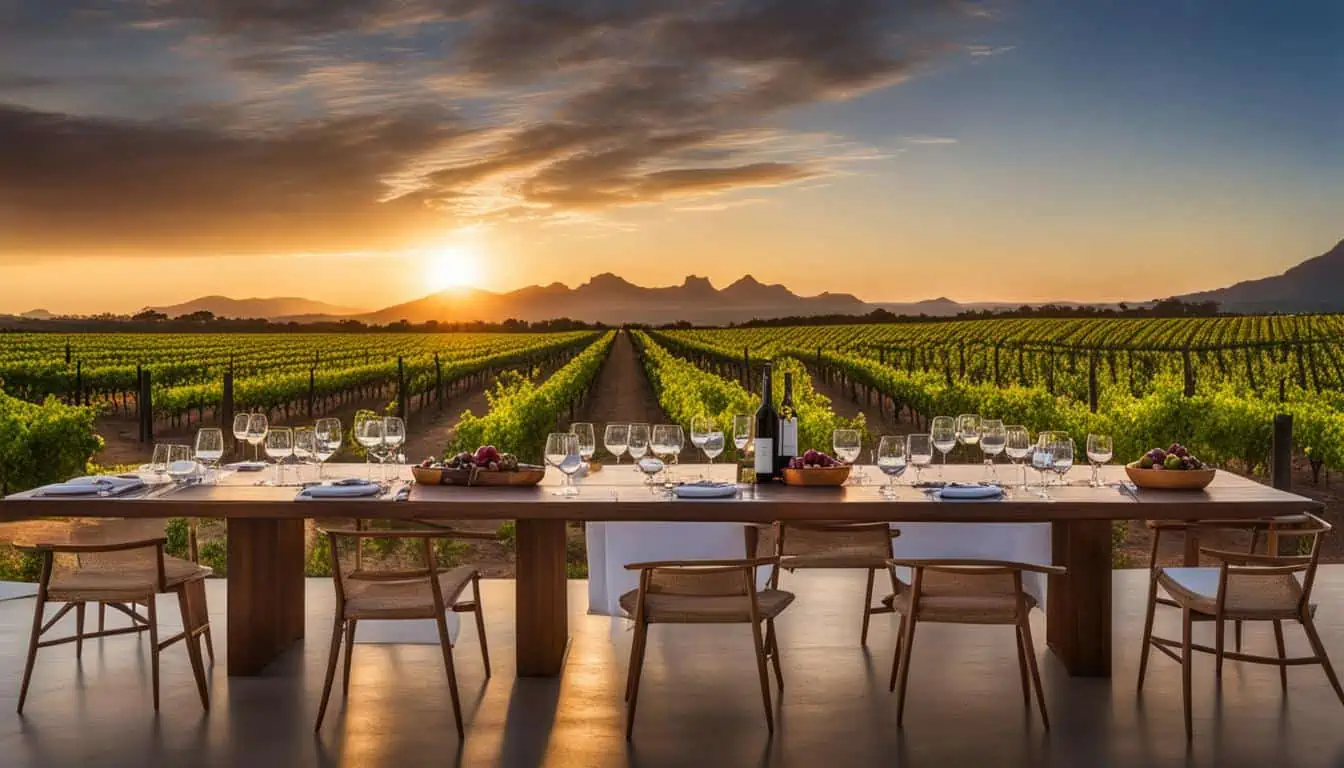
Refined spaces designed for sampling local cultivars while overlooking the estates.
You leave Cape Town before nine, heading east along the N1 as Table Mountain recedes in the side mirror and the Hottentots Holland range sharpens ahead. Your first stop is a Stellenbosch estate where barrel rooms burrow into hillside cellars kept at fourteen degrees year-round.
You taste a Bordeaux-style blend—Cabernet Sauvignon, Merlot, Cabernet Franc—while the cellar master explains malolactic fermentation and the vineyard's trellising system. A second tasting follows on the veranda: Chenin Blanc, Viognier, a rosé pressed from Cinsault.
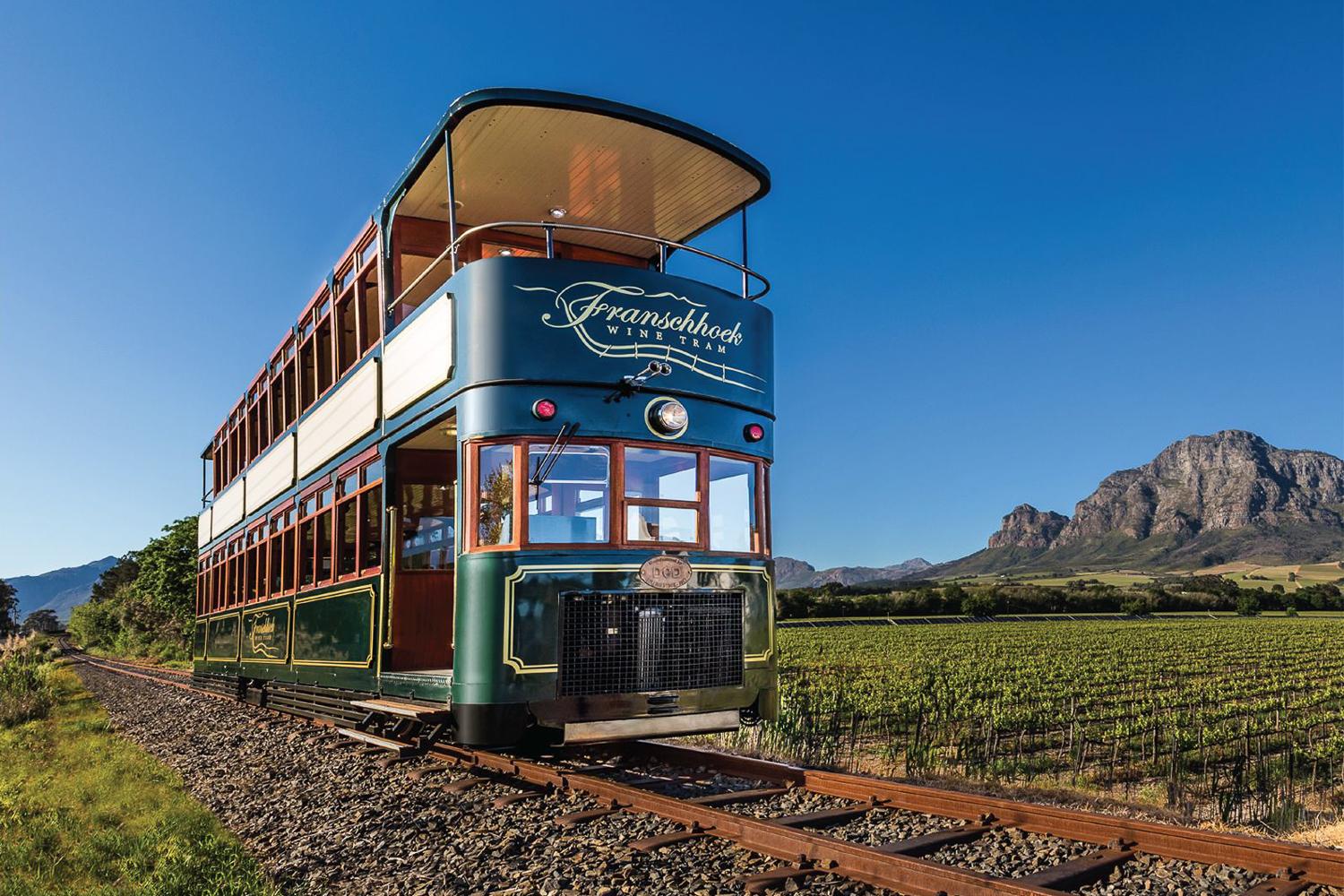
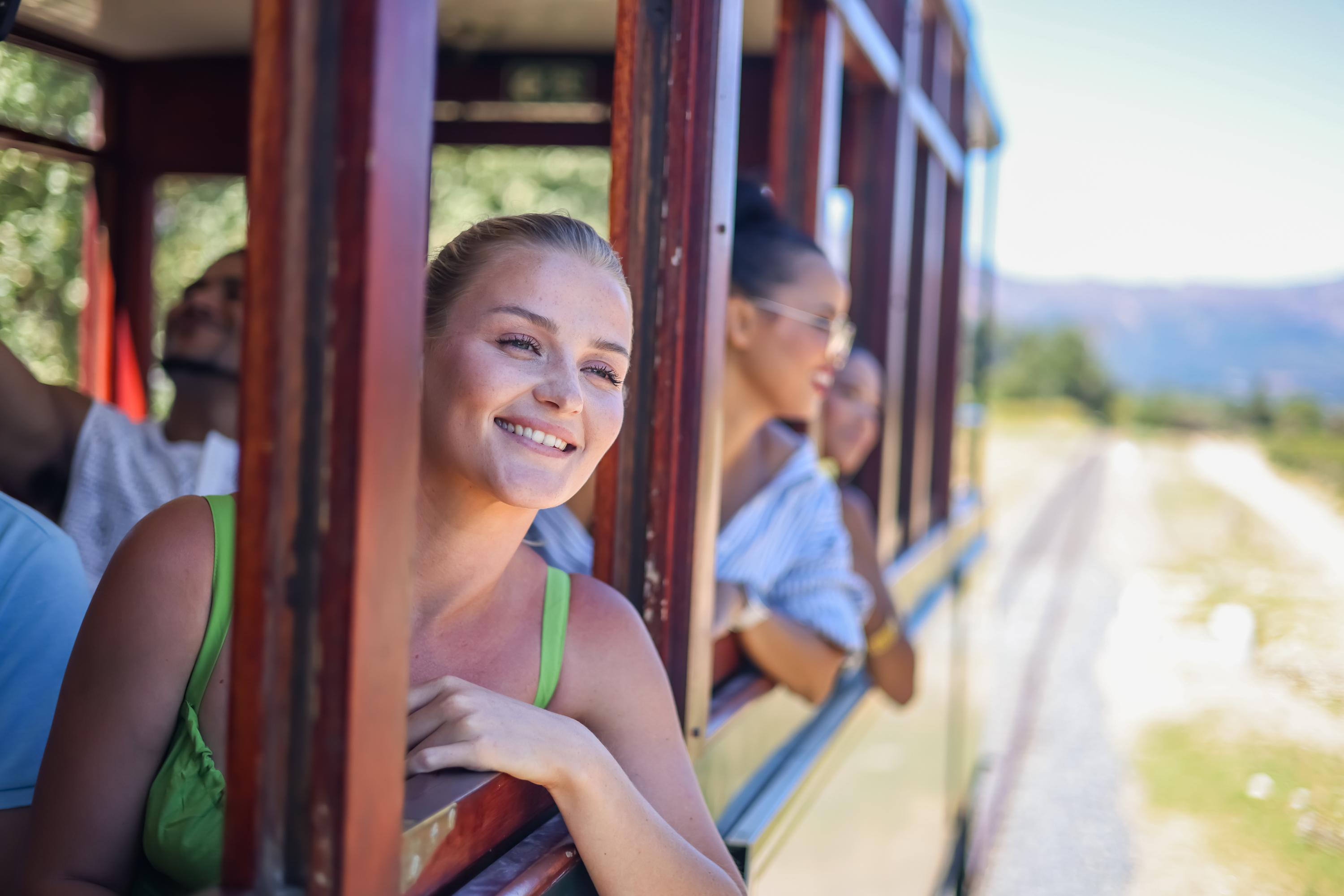
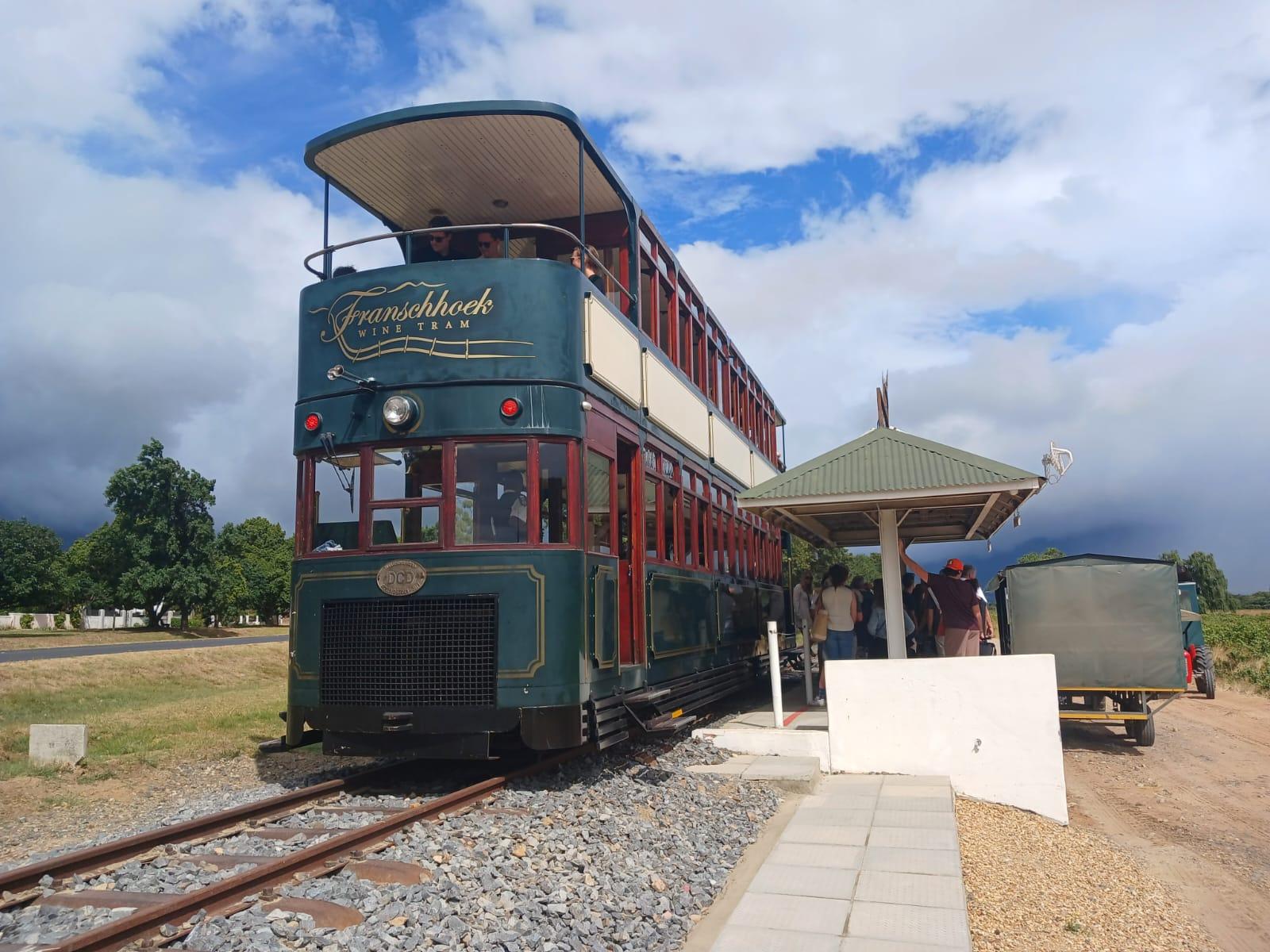
Mid-morning you reach Franschhoek. The wine tram departs from a terminus near the Huguenot Monument; you board an open-sided car that rolls past whitewashed gables and oak-lined avenues, hopping off at a boutique producer for a vertical tasting of three Shiraz vintages. Lunch pairs slow-roasted Karoo lamb with a Pinotage-Merlot blend, served on a terrace overlooking terraced vines.
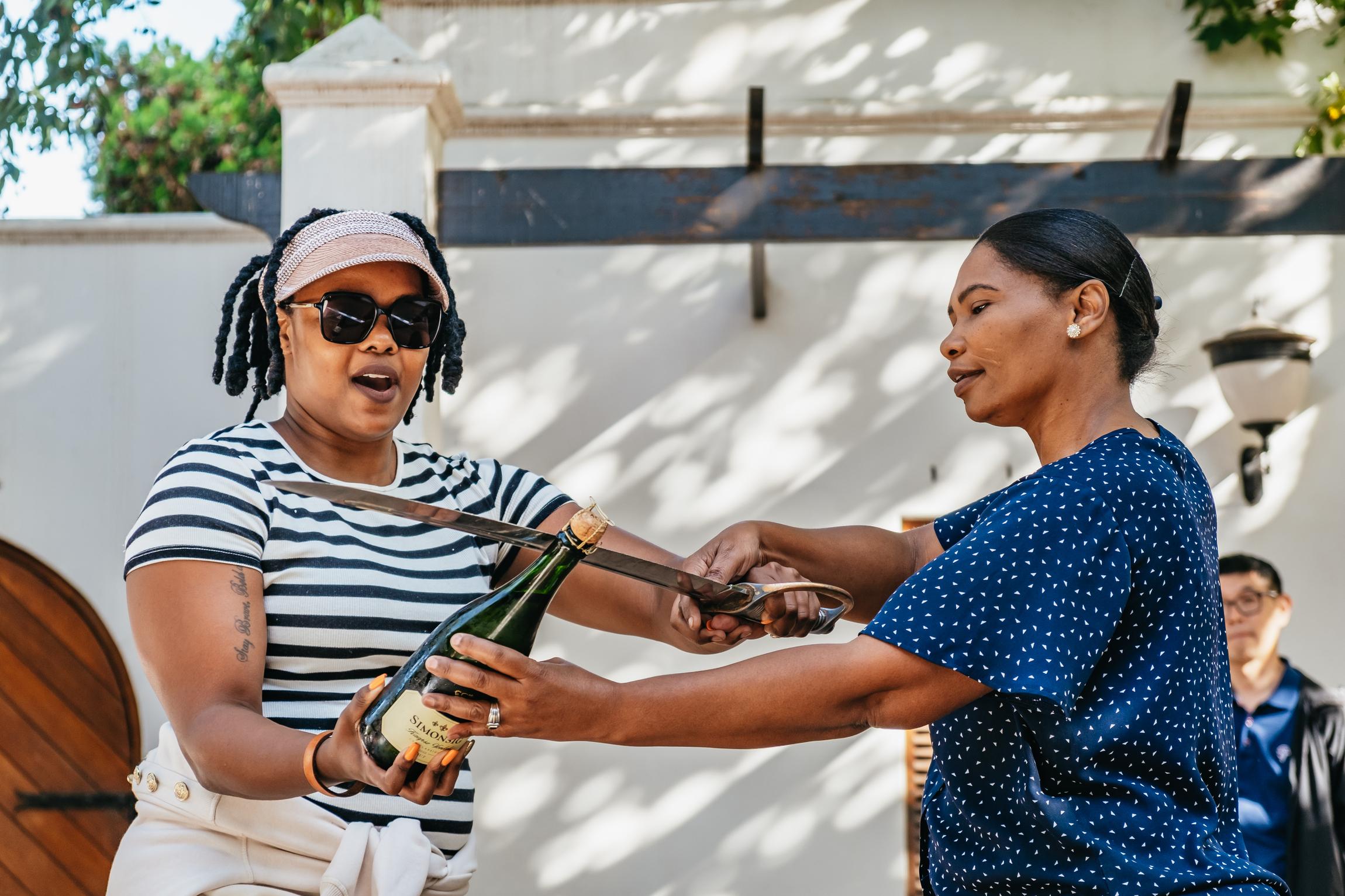
Afternoon brings Paarl's granite slopes. You visit a family estate where the tasting includes a Méthode Cap Classique brut served in Riedel flutes, followed by a port-style Tinta Barocca aged eight years in Portuguese pipas. The final stop offers biltong and farm cheese alongside a flight of single-vineyard whites. You return to Cape Town by six, the Winelands fading into dusk behind the Simonsberg peaks.
All the details about your upcoming adventure in one place
The Cape Winelands produce more than sixty percent of South Africa's wine exports, yet fewer than three hundred estates offer formal tasting rooms open to the public.
Stellenbosch alone shelters one hundred fifty working vineyards across a sixty-kilometre arc of sandstone slopes, while Franschhoek's Huguenot Valley compresses forty producers into a ten-kilometre corridor flanked by the Drakenstein and Groot Drakenstein ranges. Paarl, the third anchor of the region, cultivates Shiraz and Chenin Blanc on decomposed granite soils that drain twice as fast as Stellenbosch clay, a geological distinction that defines the region's varietal character.
The modern Cape Winelands industry crystallized in the nineteen-nineties after apartheid trade sanctions lifted, but viticulture here began in sixteen fifty-nine when Jan van Riebeeck planted the Cape Colony's first vines near Table Bay. By seventeen hundred, French Huguenot refugees had established Franschhoek's cellar architecture—gabled Cape Dutch façades, thick lime-washed walls, thatched roofs engineered to insulate barrel rooms against summer heat. Today those historic cellars anchor full-day Cape Town wine tasting packages tours that pair heritage estates with contemporary boutique producers. Visitors sample Méthode Cap Classique sparkling wines made from Chardonnay and Pinot Noir, estate-bottled Cabernet blends aged in French oak, and single-vineyard Chenin Blanc pressed from forty-year-old dryland bush vines.
Stellenboschs's Wine Route, formalized in nineteen seventy-one as Africa's first such network, pioneered the tasting-fee model—guests pay per flight rather than per estate entry, a structure that now governs most Cape winelands cellar-door operations. Franschhoek's wine tram, introduced in twenty twelve, links eight estates via restored nineteen-twenties open-air tram cars and connecting shuttle buses, eliminating the need for a designated driver. Paarl's estates favor vertical tastings—multiple vintages of a single cultivar—and food pairings designed around indigenous ingredients like rooibos, fynbos honey, and line-caught snoek. These regional distinctions shape the itinerary design of guided Cape Town wine tasting packages, which route visitors through microclimates, soil types, and winemaking philosophies rather than simply counting estates visited.
The Winelands lie thirty to sixty kilometres east of Cape Town's city centre, accessible via the N1 and R44 highways. Most vineyard tasting rooms open daily from nine in the morning until five in the afternoon, though cellar tours require advance booking during harvest season—February through April in the Southern Hemisphere. Free entry to estate grounds applies universally; tasting fees range from fifty to two hundred rand per person depending on the flight's complexity and the estate's classification.

Franschhoek compresses forty producers into a ten-kilometre corridor flanked by the Drakenstein and Groot Drakenstein ranges.
Smart-casual attire is recommended when visiting estate cellars. Comfortable footwear is advised for walking through vineyard rows or historic estates during your cape town wine tasting packages tour.
Standard handbags and small backpacks are permitted at most estates. Large luggage should be secured in your vehicle during cape town wine tasting packages tours.
Photography is generally permitted in gardens and outdoor vineyard areas. Ask for permission before taking photos inside private cellar rooms during your cape town wine tasting packages visit.
Family policies vary by estate within the Cape Winelands. Ensure your chosen cape town wine tasting packages tour is suitable for children if traveling with minors.
Many historic Cape Dutch homesteads have limited wheelchair access. Please confirm specific estate facilities before booking your cape town wine tasting packages tickets.
Outside food and beverages are prohibited at most tasting venues. Utilize on-site bistros associated with your cape town wine tasting packages for dining.
Opening Hours
09:00–17:00
Address
Cape Winelands, Western Cape, South Africa
Entry Policy
Free entry to estates; tasting fees apply
Best Arrival
09:00–11:00
Region
Cape Winelands, South Africa
Car · Taxi · Private transfer services are recommended for safety during wine consumption. Available via various apps in Cape Town.
Rental vehicles provide the most flexibility for reaching estates. Parking is available at most vineyard locations.
Cancellations for booked cape town wine tasting packages are subject to the specific operator terms listed in your confirmation. Entrance to estates is 0 ZAR, but pre-booked cellar experiences may require advance notice for refunds.
Recommended time
Full day
Navigating the distances between Stellenbosch, Franschhoek, and Paarl requires careful planning to enjoy your cape town wine tasting packages. Visitors booking cape town wine tasting packages tours often find that three to four estates provide a balanced pace, as cellar door queues grow significantly by midday. Securing cape town wine tasting packages tickets in advance helps maintain a smooth flow between vineyards while avoiding the heaviest crowds during the afternoon peak. This Cape Winelands exploration allows for a deep dive into local viticulture, provided you monitor transit times between these historic wine regions.
Crowd levels through the day
Weather · crowds · average price — dots go green to amber to red as each metric rises.
September to November offers blooming flowers and mild temperatures. Ideal time for cape town wine tasting packages.
Drink plenty of water between wine samples to manage the heat. This is a common practice on cape town wine tasting packages.
Book your preferred tasting slots in advance to ensure availability. Popular estates often reach capacity.
Wine cultivation in the Cape Winelands began in 1655 when Jan van Riebeeck, the Dutch East India Company's first commander at the Cape, planted the region's initial vines from European cuttings. On February 2, 1659, he recorded the first wine pressed from Cape grapes, establishing the foundation for what would become South Africa's most celebrated viticultural region. Simon van der Stel, governor from 1679, transformed these early experiments into a serious industry by founding Constantia estate in 1685 and importing French Huguenot refugees with winemaking expertise after 1688. Their knowledge of Rhône and Loire techniques elevated Cape wines from utilitarian ship provisions to export commodities. The 18th century brought international acclaim when Constantia's sweet Muscat wines reached European aristocracy, favored by Frederick the Great and Napoleon. Yet the industry collapsed after 1861 when British tariff preferences vanished and phylloxera devastated vineyards in the 1880s. The formation of KWV (Ko-operatieve Wijnbouwers Vereniging) in 1918 stabilized production through monopolistic controls that prioritized volume over quality, enforcing quotas that lasted until 1992. This cooperative model shaped cape town wine tasting packages tours into group experiences centered on legacy estates rather than boutique producers. Post-apartheid liberalization in 1994 triggered a quality revolution as international investment and returning winemakers introduced New World techniques to Old World varietals. Stellenbosch, Franschhoek, and Paarl emerged as distinct terroirs where cape town wine tasting packages now showcase Chenin Blanc, Pinotage, and Bordeaux blends across more than 560 estates. The Platter's wine guide, first published in 1980, became the region's critical authority, while the establishment of wine routes in the 1970s formalized the tasting-room culture that defines modern cellar door experiences, blending Cape Dutch architecture with contemporary hospitality infrastructure that welcomes 300,000 annual visitors.
Jan van Riebeeck plants first Cape vines from European cuttings for the Dutch East India Company.
First wine pressed from Cape grapes on February 2, marking the birth of South African viticulture.
Simon van der Stel establishes Constantia estate, pioneering quality-focused winemaking in the region.
French Huguenot refugees arrive, bringing Rhône and Loire valley expertise to Cape vineyards.
British tariff changes and subsequent phylloxera devastation collapse the Cape wine export trade.
KWV cooperative founded to stabilize the industry through production quotas and price controls.
End of apartheid and industry deregulation spark quality revolution and international recognition.
Wine route formalization and cellar-door tourism establish the modern tasting package experience.
Stand along the central gravel axis for a symmetrical shot of the formal orchards and vegetable patches. This location is a staple for those exploring cape town wine tasting packages.
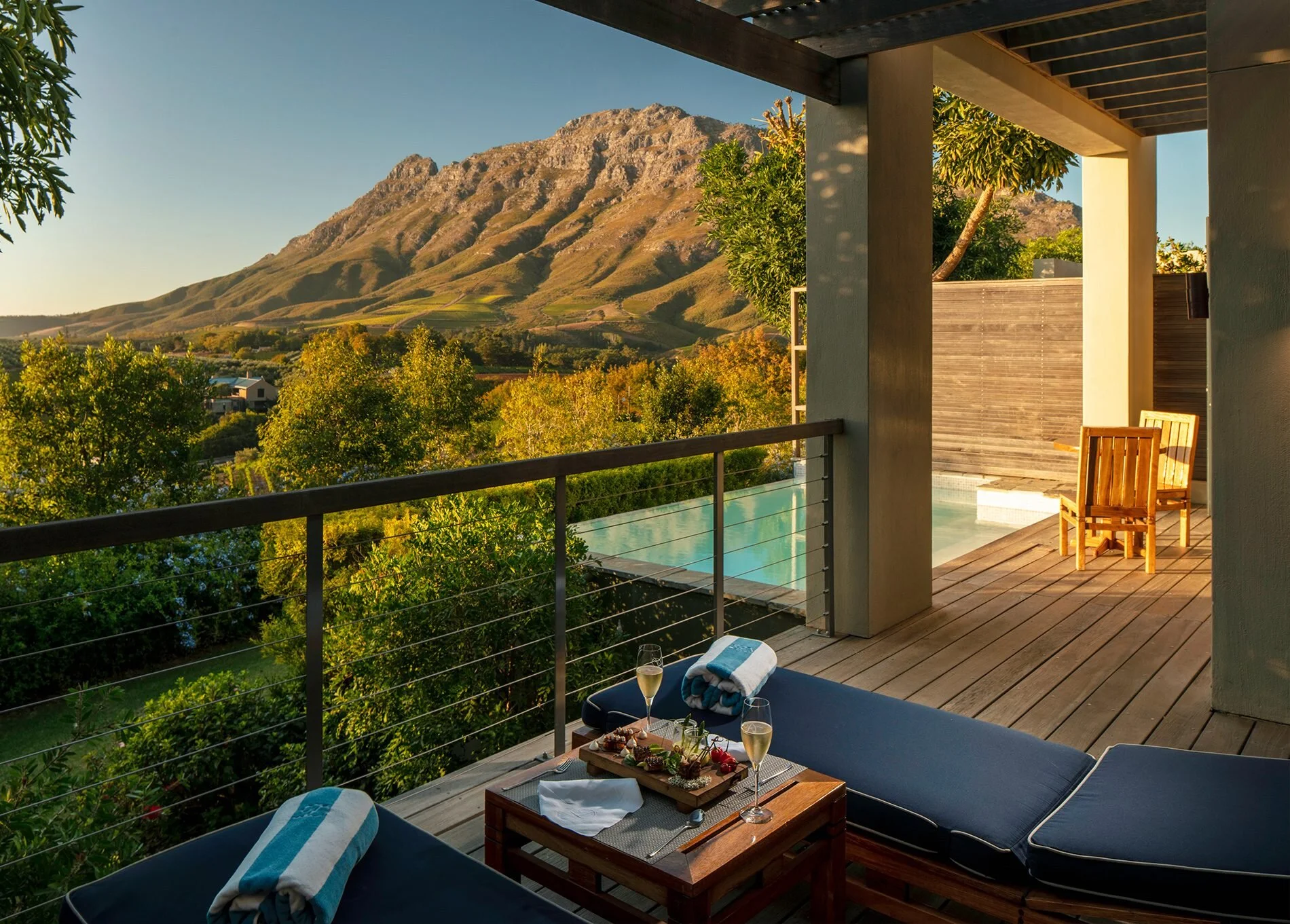
Position yourself at the edge of the viewing deck to capture the infinity pool reflecting the surrounding Drakenstein mountain vistas. This angle is popular for high-end cape town wine tasting packages tours.
Frame the white-washed gable of this historic building from the front lawn to highlight the classic Cape Dutch architecture. Secure your cape town wine tasting packages tickets in advance to enjoy the full grounds.
Compose your shot looking toward the modern sculpture collection set against the backdrop of traditional farm buildings. This area is included in many cape town wine tasting packages tour options.
Exploring the region with children is manageable when selecting cape town wine tasting packages that prioritize spacious estates with gardens. These expansive properties provide room for movement while adults enjoy the local viticulture.
Most estates in the Cape Winelands feature paved pathways or well-maintained lawns suitable for strollers. Look for cape town wine tasting packages tours that focus on sprawling farms rather than confined cellar spaces.;Facilities
The Cape Winelands offer diverse culinary experiences, ranging from refined estate restaurants to relaxed bistro-style venues that pair perfectly with various cape town wine tasting packages. Many visitors find that booking organized cape town wine tasting packages tours provides convenient access to these cellar-door dining options.
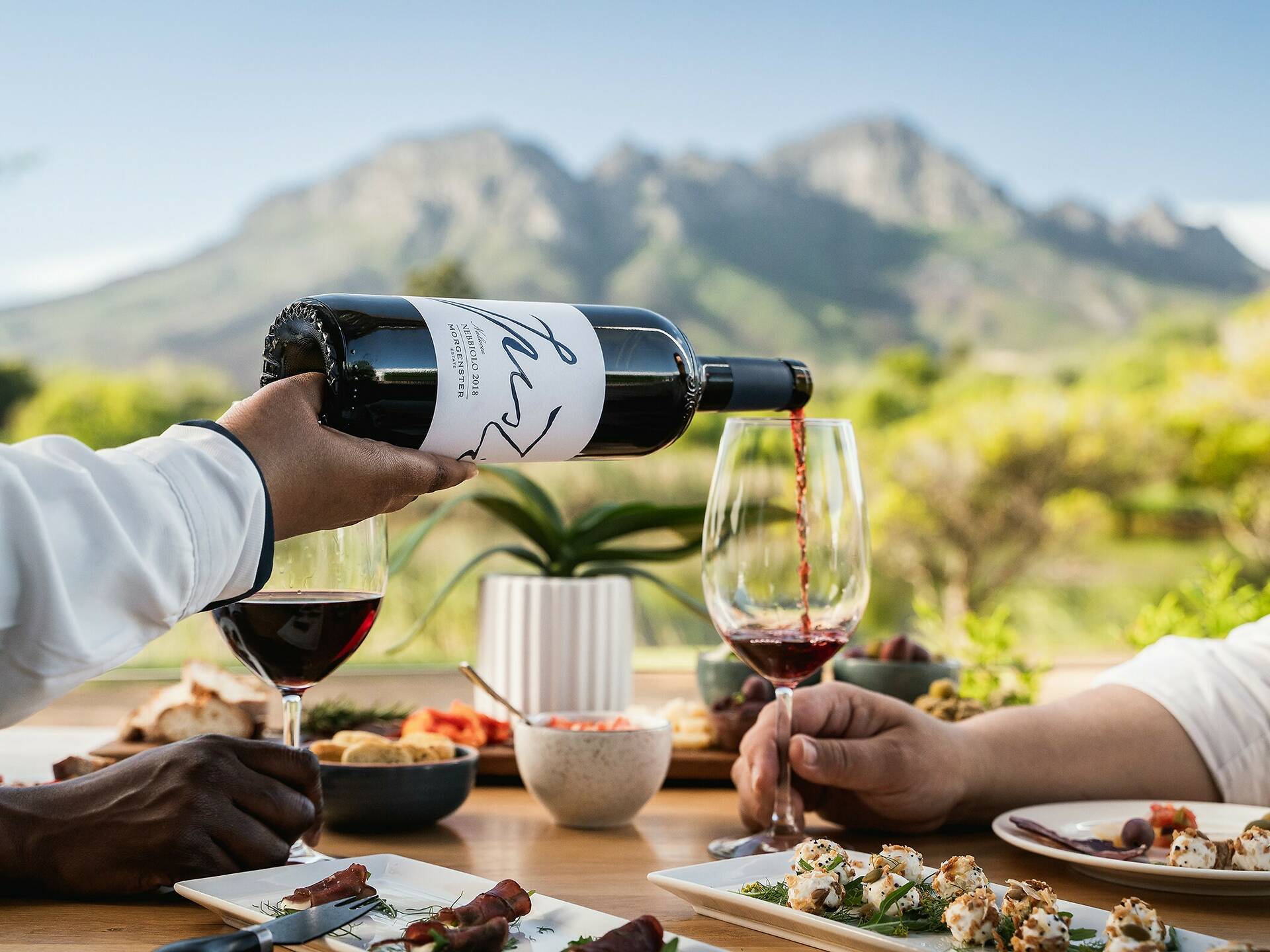
Offers contemporary fine dining with views overlooking the vineyards. Ideal for a long, leisurely lunch paired with estate wines after selecting one of the cape town wine tasting packages tickets.
Everything you need to know for your journey
Estates are open from 09:00–17:00 daily. Arrive early to avoid crowds.
While you can visit estates independently, cape town wine tasting packages provide guided transport and structured itineraries.
Entry to the estates themselves is 0 ZAR, though individual cellars charge tasting fees per person.
The best time for cape town wine tasting packages tickets is during the morning window of 09:00–11:00.
Some cape town wine tasting packages include door-to-door transport, while others require you to meet at a central point.
Smart-casual is the standard dress code for most cape town wine tasting packages tours.
Policies on minors vary, so confirm age requirements with the operator of your chosen cape town wine tasting packages.
Photography is allowed in most outdoor areas, but check with estate staff before filming inside cellars.
Most visitors access the region via rental car or private tour operator from Cape Town.
Site of Nelson Mandela's final years of imprisonment. Significant historical location in the region.
Architectural landmark dedicated to the Afrikaans language. Features panoramic views of the valley.
High-end estates with vineyard suites and pools.
Join thousands of happy travelers who have discovered this incredible experience
Book Your Experience Now