9 hr
Cape Winelands Full-Day Experience with Tastings & Lunch
- Expert local guide
- Small group
- Skip-the-line access
- Free cancellation
Wine Tour Cape Town to Stellenbosch — Estate Visits & Tastings
Historic vineyards and mountain valleys, one guided day through oak-lined estates
Compare fares, pick the fit — all bookings are mobile-voucher and eligible for free cancellation where shown.
9 hr
8 hr 30 min
8 hr 30 min
Selecting the right transport is essential when planning a wine tour cape town to stellenbosch, as the region features vast estates and varying accessibility. Whether you prefer the freedom of a hop-on hop-off shuttle or the structure of a guided excursion, these wine tour cape town to stellenbosch tickets provide the necessary foundation for your journey.
|
Top pick Vine Hopper Hop-on Hop-off Shuttle |
Full-Day Guided Tour All-inclusive Excursion | |
|---|---|---|
| Access Method | Flexible Bus Circuit | Private Vehicle Transfer |
| Included Areas | Stellenbosch Valley & Helderberg | Multi-Region Winelands |
| Timed Entry | Flexible schedule | Pre-booked itinerary |
| Wait Time | Depends on bus circuit | Minimal (direct travel) |
| What's Included | Transport and driver | Transport, guide, & pairings |
| Best for | First-timers (flexible) | Convenience seekers |
| See tickets & prices |
Verdict: For visitors seeking the most cost-effective and flexible way to explore, the Vine Hopper hop-on hop-off wine tour cape town to stellenbosch tour is the recommended choice.
Worth it for wine enthusiasts and first-timers
A wine tour cape town to stellenbosch delivers solid value when you compare guided options against self-driving costs. Estate entry is free, but tasting fees add up fast—expect R80–150 per estate when visiting independently. Full-day guided tours bundle three to five estates, transfers, and often lunch for comparable total spend, while eliminating navigation and the risk of drinking and driving on unfamiliar mountain passes. Half-day Stellenbosch tours work for time-pressed travelers, though you'll sacrifice Franschhoek's French heritage estates. The Winelands stretch across Stellenbosch, Franschhoek, and Paarl, so choosing between a Stellenbosch-focused itinerary versus a broader Cape Winelands experience depends on whether you prioritize depth (more tastings per estate, cellar tours) or breadth (diverse terroir). Solo travelers and couples gain the most—groups of four might find private vehicle rental plus designated driver more flexible, though you lose the sommelier context that elevates barrel tastings and vineyard walks.
Bottom line: Book a full-day wine tour cape town to stellenbosch if you want expert-led access without the self-drive risk—half-day options suit schedules but sacrifice immersion.
They complement each other; most visitors who do both call the Stellenbosch heritage experience more traditional while the Franschhoek hop-on-hop-off route is the more social adventure. Choosing the right wine tour cape town to stellenbosch tour requires balancing academic estate visits against leisure-focused travel.
|
Top pick Stellenbosch |
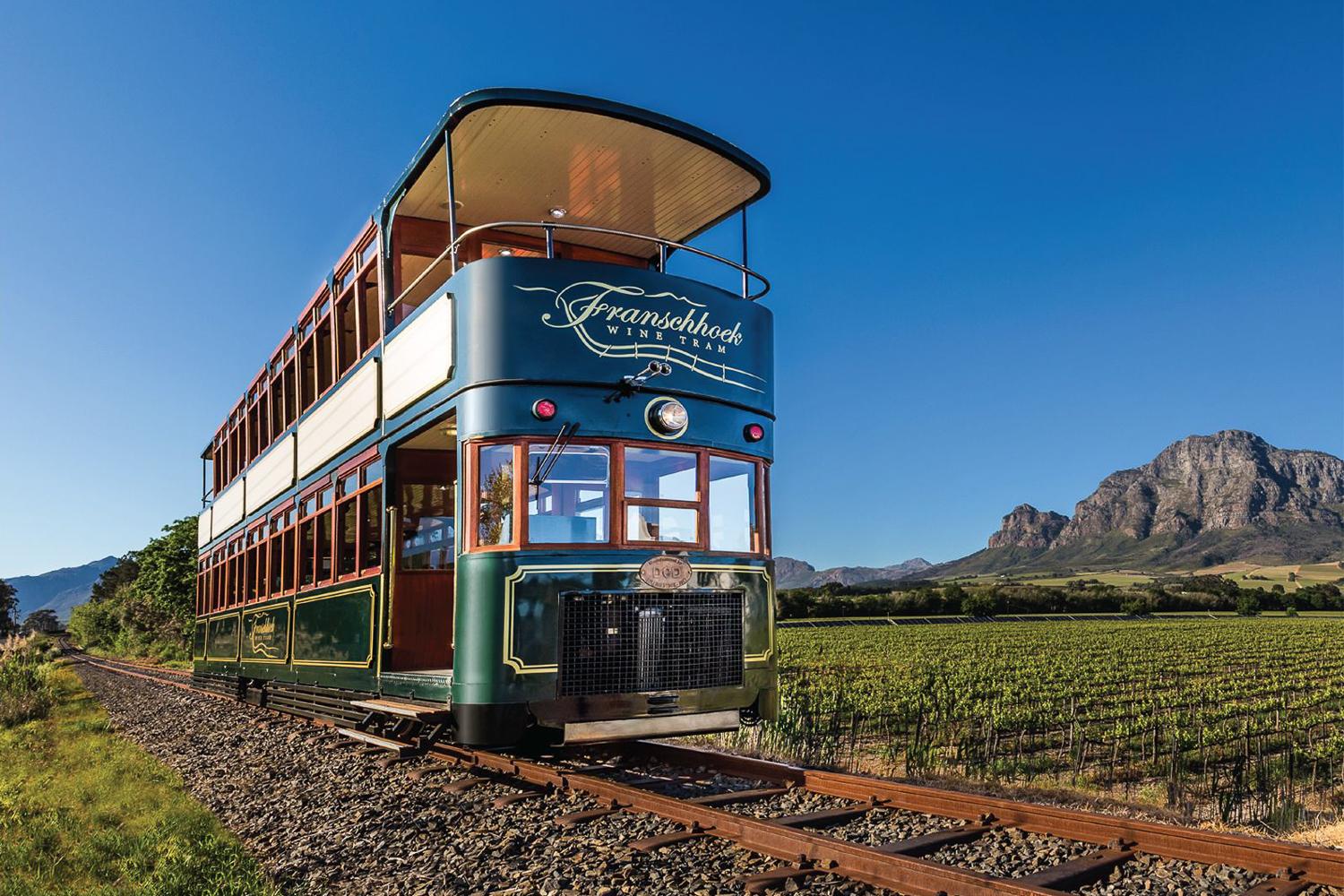
Franschhoek Wine Tram | |
|---|---|---|
| Primary Focus | Cape Dutch architecture and history | Culinary experiences and sightseeing |
| Accessibility | High (road network) | Medium (fixed tram/bus routes) |
| Transportation Style | Private car or group shuttle | Hop-on-hop-off tram and bus |
| Vibe | Academic and traditional | Social and leisurely |
| Main Appeal | Diverse terroir and heritage | Scenic valley views and convenience |
| Booking | Requires individual estate tickets | Integrated hop-on-hop-off tickets |
| See tickets & prices |
Verdict: Select Stellenbosch if you prefer a self-curated exploration of historic vineyards, or choose the Franschhoek wine tour cape town to stellenbosch tours for a structured, stress-free day of transit through the valley.
Hand-picked experiences loved by thousands of travelers
5 hours
Free Cancellation
Discover Cape Winelands with tastings at two estates, cheese and biltong pairings, and free time in historic Stellenbosch
8 hours
Free Cancellation
Spend a full day exploring four wineries in South Africa's renowned Stellenbosch region with tastings and lunch
9.5 hours
Free Cancellation
Journey through Stellenbosch and Franschhoek's premier vineyards with tastings, chocolate pairings, and scenic tram rides
5 hours
Free Cancellation
Journey through historic Stellenbosch and savor wine paired with biltong and cheese at two estates
8 hours
Free Cancellation
Explore South Africa's premier wine region with tastings at three estates and a scenic vineyard tram journey
Full day
Free Cancellation
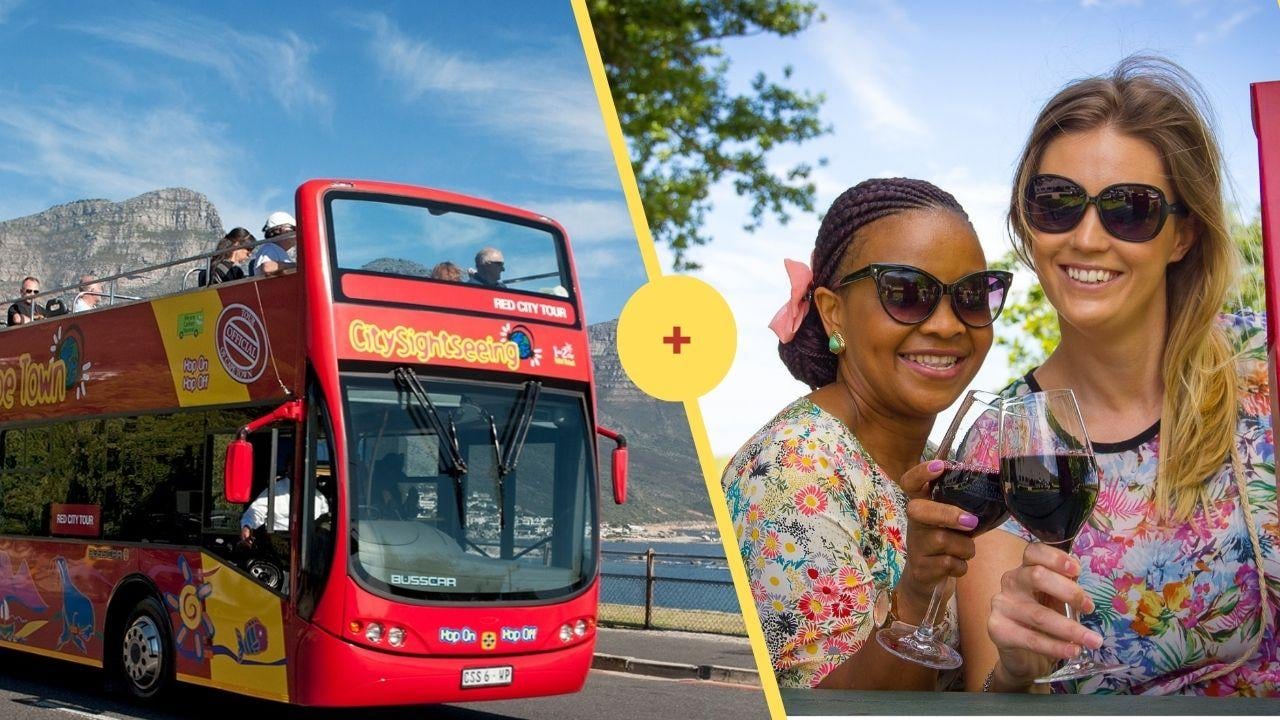
Explore the city on an open-top bus, then savor wines at South Africa's oldest estate
8 hours
Free Cancellation
Full-day private wine journey through South Africa's premier estates with expert-led tastings
You leave Cape Town mid-morning, the N2 highway cutting east past townships and industrial zones before the Helderberg mountains rise ahead, their granite peaks framed by cloudless skies. The transfer takes forty minutes, your guide narrating the route's colonial history as vineyards replace suburban sprawl.
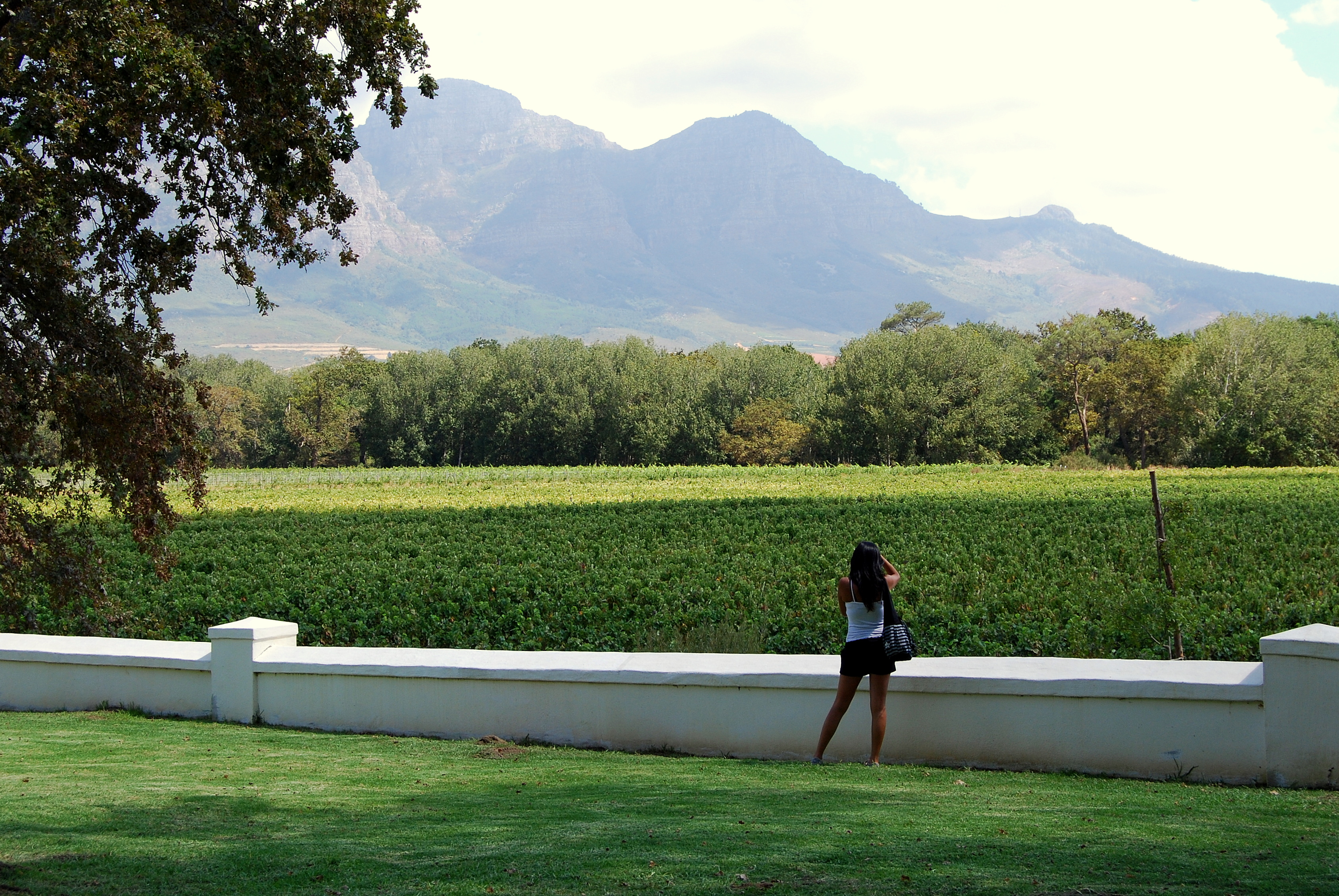
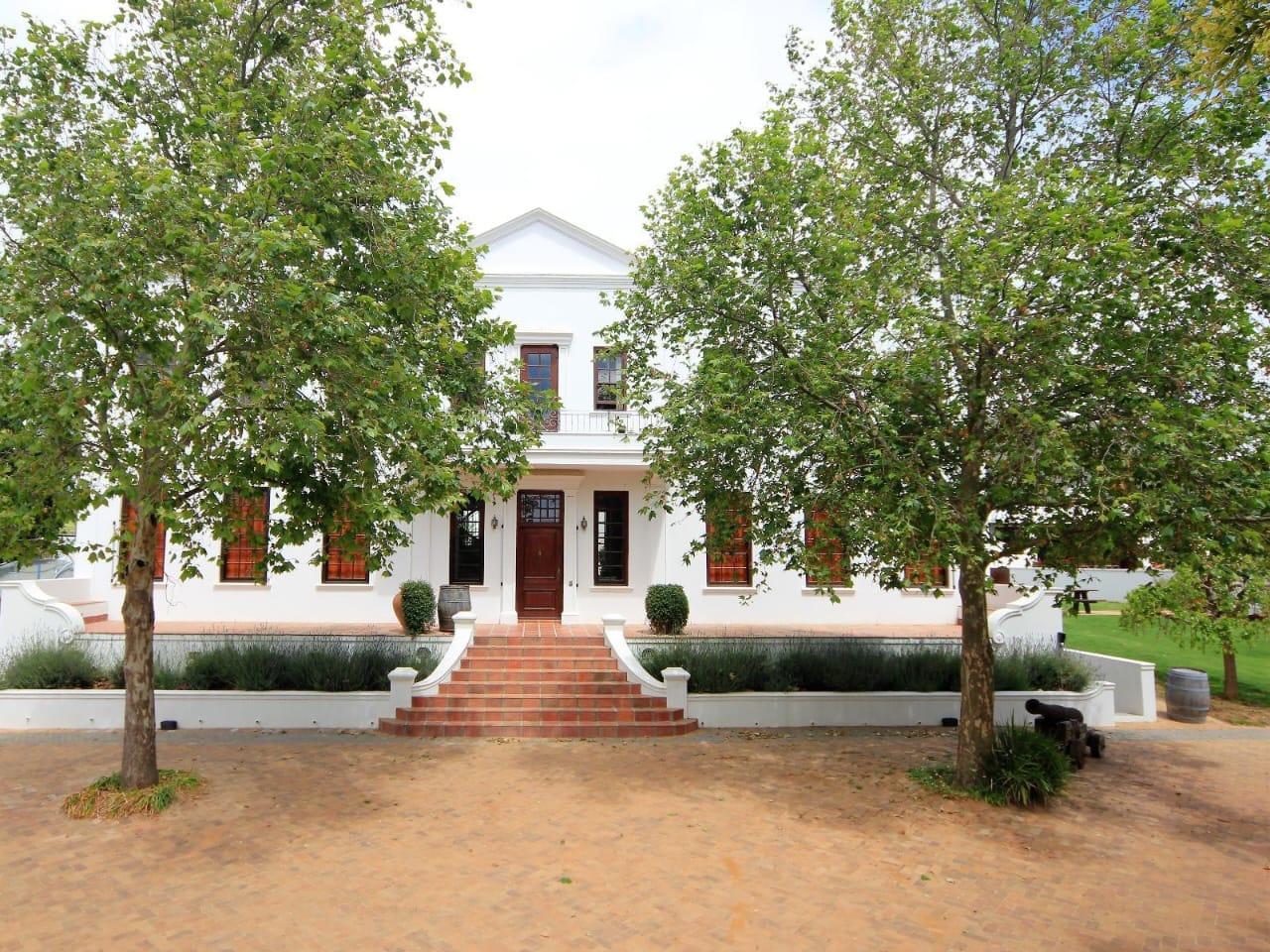
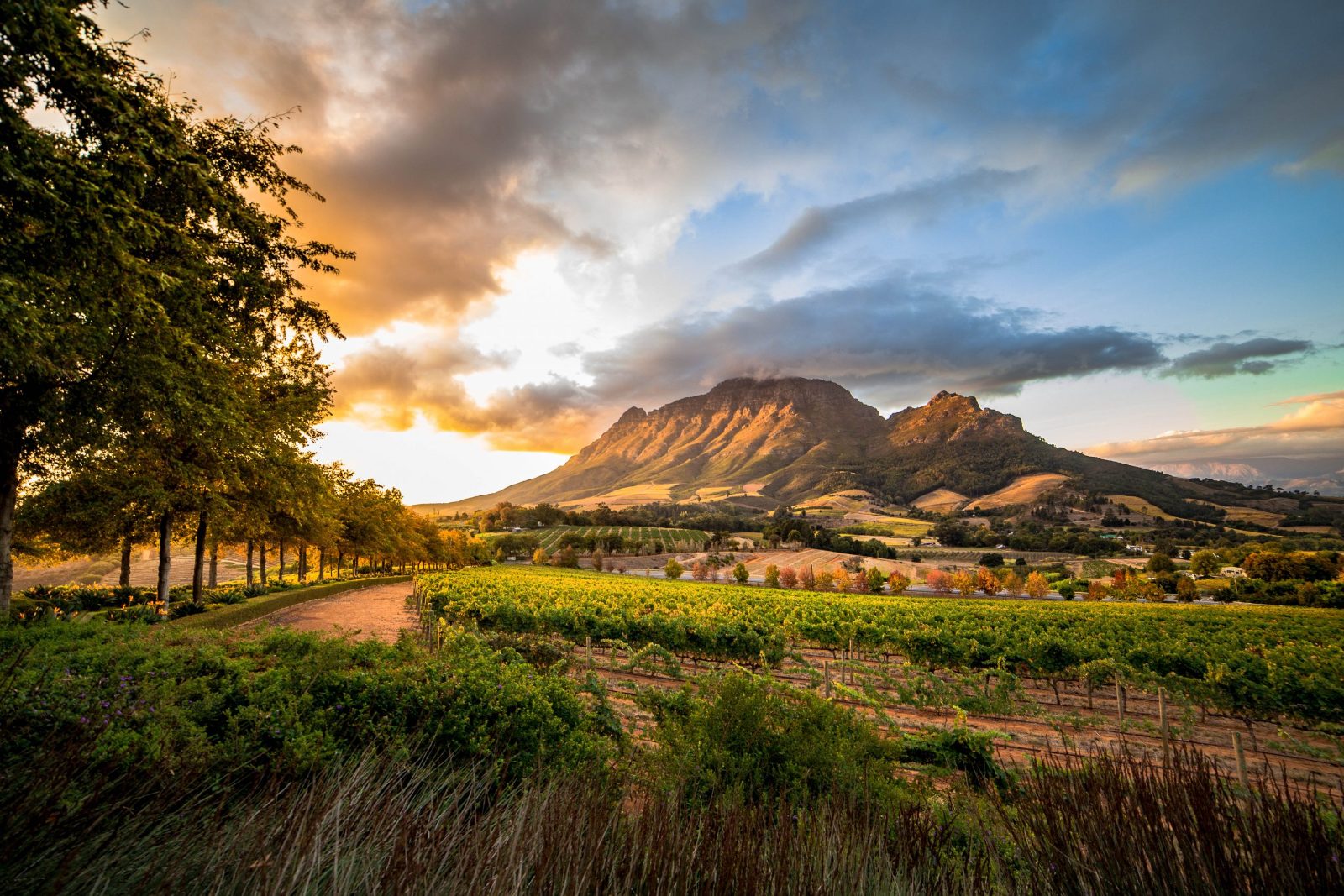
Your first estate appears at the base of a mountain—whitewashed gables, an oak avenue centuries old, lavender beds flanking the tasting-room entrance.
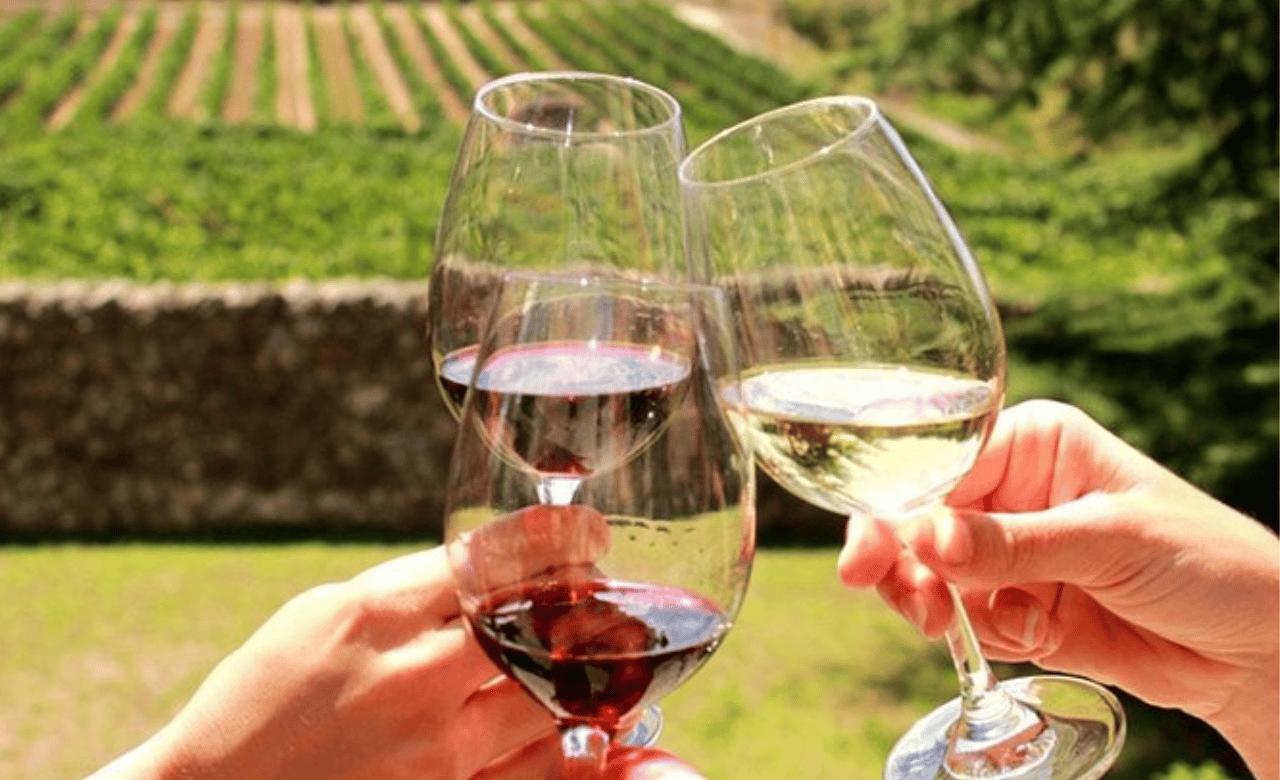
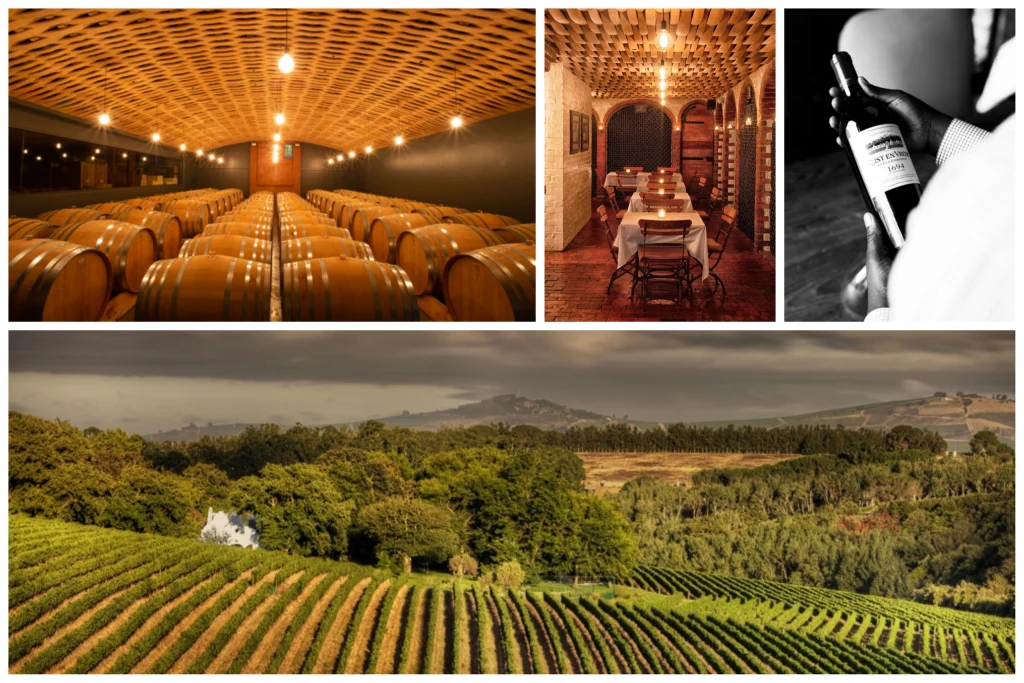
Inside, a cellar master pours five wines in sequence: Sauvignon Blanc aged in concrete eggs, Chenin Blanc with fifty-year-old vine fruit, a rosé pressed from Cinsault, then two reds—Pinotage and a Cabernet-Merlot blend. You swirl, sniff, sip, noting minerality and tannin structure. Between tastings you walk the barrel room, its yellowwood beams and stone walls holding a cool sixty degrees without mechanical assistance. Lunch follows at a second estate: charcuterie, sourdough, olive tapenade, paired with a Chardonnay that tastes of stone fruit and salted butter.
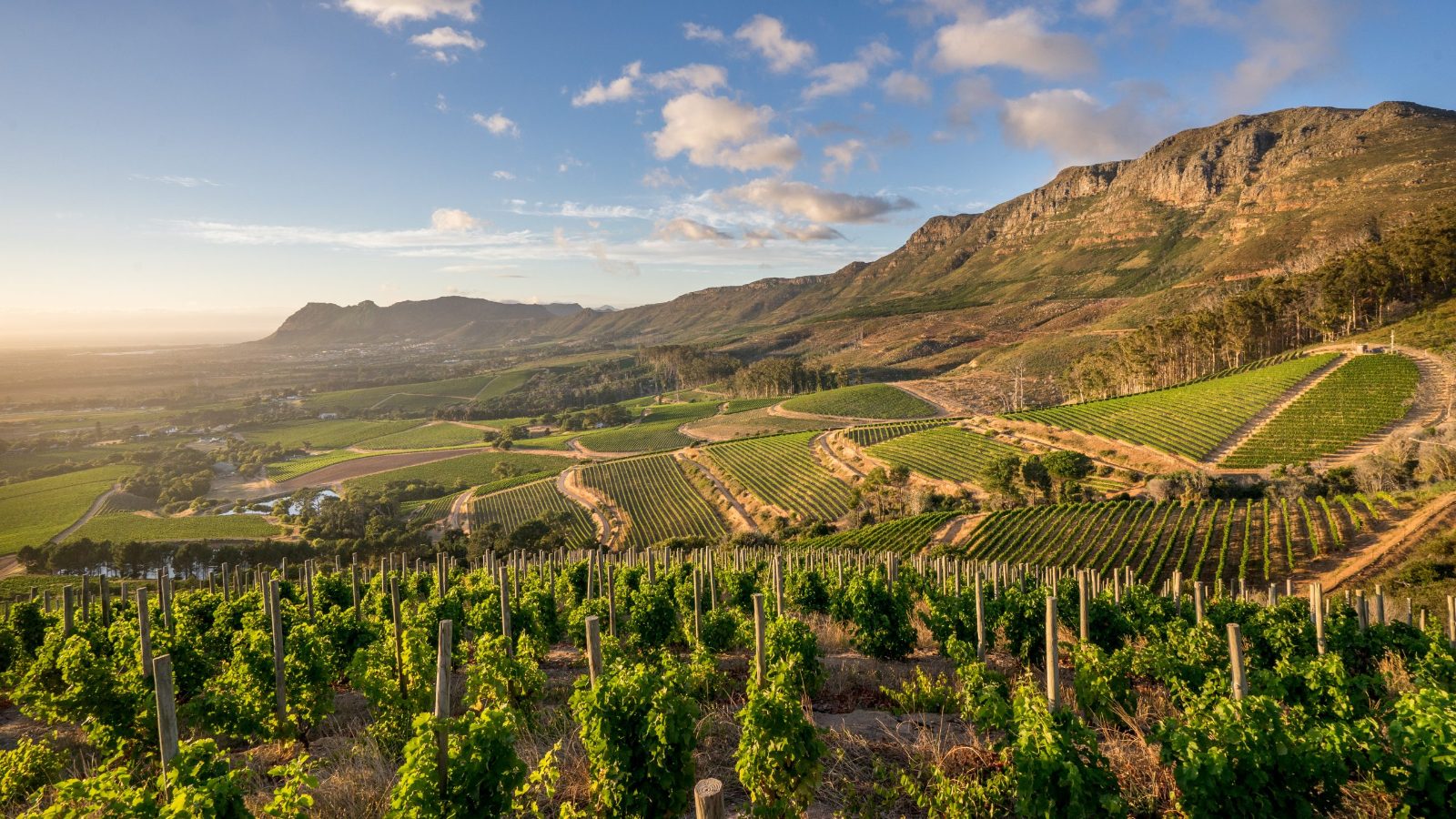
The afternoon includes a third property—Tokara or Delaire Graff—where terraced vineyards cascade down hillsides and tasting decks overlook the Simonsberg range. You sample a Méthode Cap Classique sparkling wine, its bubbles fine and persistent, then a dessert Muscat before the return transfer at five, the winelands glowing amber in the slanting light.
All the details about your upcoming adventure in one place
The first vines were planted in Stellenbosch in 1679, seventeen years after Jan van Riebeeck's experimental Cape Town vineyard proved the region's limestone soils and Mediterranean climate could sustain European viticulture.
Governor Simon van der Stel granted settlers farms along the Eerste River valley, and by 1685 French Huguenot refugees had introduced Rhône and Bordeaux cuttings that would define South African wine for three centuries. Today the Stellenbosch Wine Routes represent more than three hundred estates across a ninety-kilometre radius, making this the oldest and most productive wine region in the southern hemisphere.
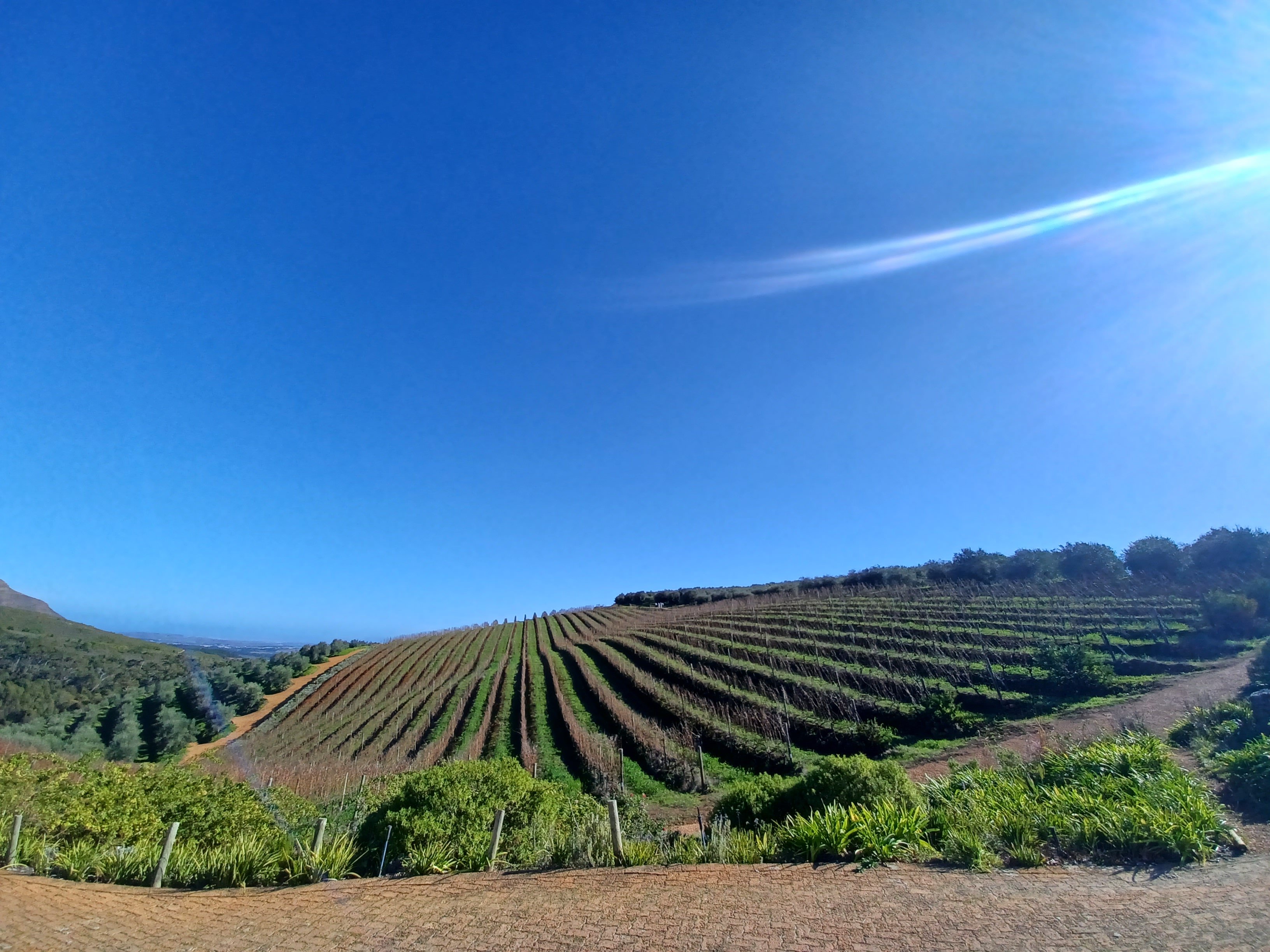
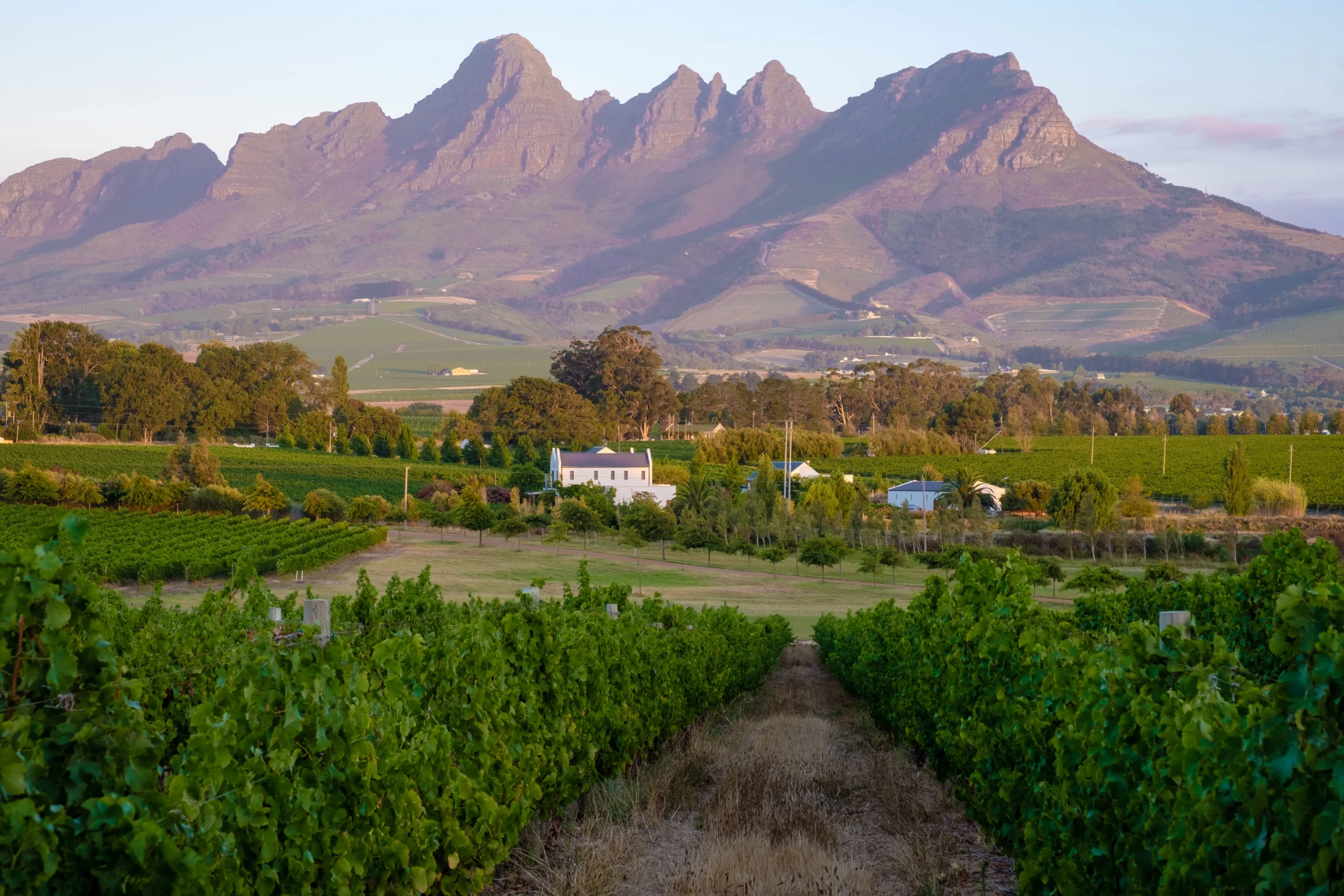
The route between Cape Town and Stellenbosch traces the N2 and R310 corridors through False Bay coastal plains before rising into the Helderberg basin, where Cabernet Sauvignon and Shiraz thrive on granite slopes at four hundred to six hundred metres elevation. Estate architecture reflects Cape Dutch, Georgian, and Victorian colonial styles—gabled white façades framed by oak allées planted in the eighteenth century, some now protected as national monuments. Tasting rooms occupy restored cellars with thick stone walls and yellowwood beams, their interiors cooled by cross-ventilation designed before refrigeration. A wine tour Cape Town to Stellenbosch typically includes three to five estates, each specialising in distinct cultivars: Vergelegen for white blends, Rust en Vrede for red Bordeaux varietals, Tokara for Méthode Cap Classique sparkling wines.
Conservation efforts since 2004 have reintroduced indigenous fynbos vegetation between vineyard blocks, supporting Cape sugarbirds and protea species that had declined under monoculture expansion. The Stellenbosch Wine Routes office coordinates sustainable viticulture certifications and biodiversity audits across member estates, balancing commercial production with ecological restoration. Most tours depart Cape Town between nine and ten in the morning, allowing time for barrel tastings, cellar tours, and paired lunches before the return transfer. The route operates year-round, though harvest season from February through April offers fermentation demonstrations and grape-crushing participation not available in other months.
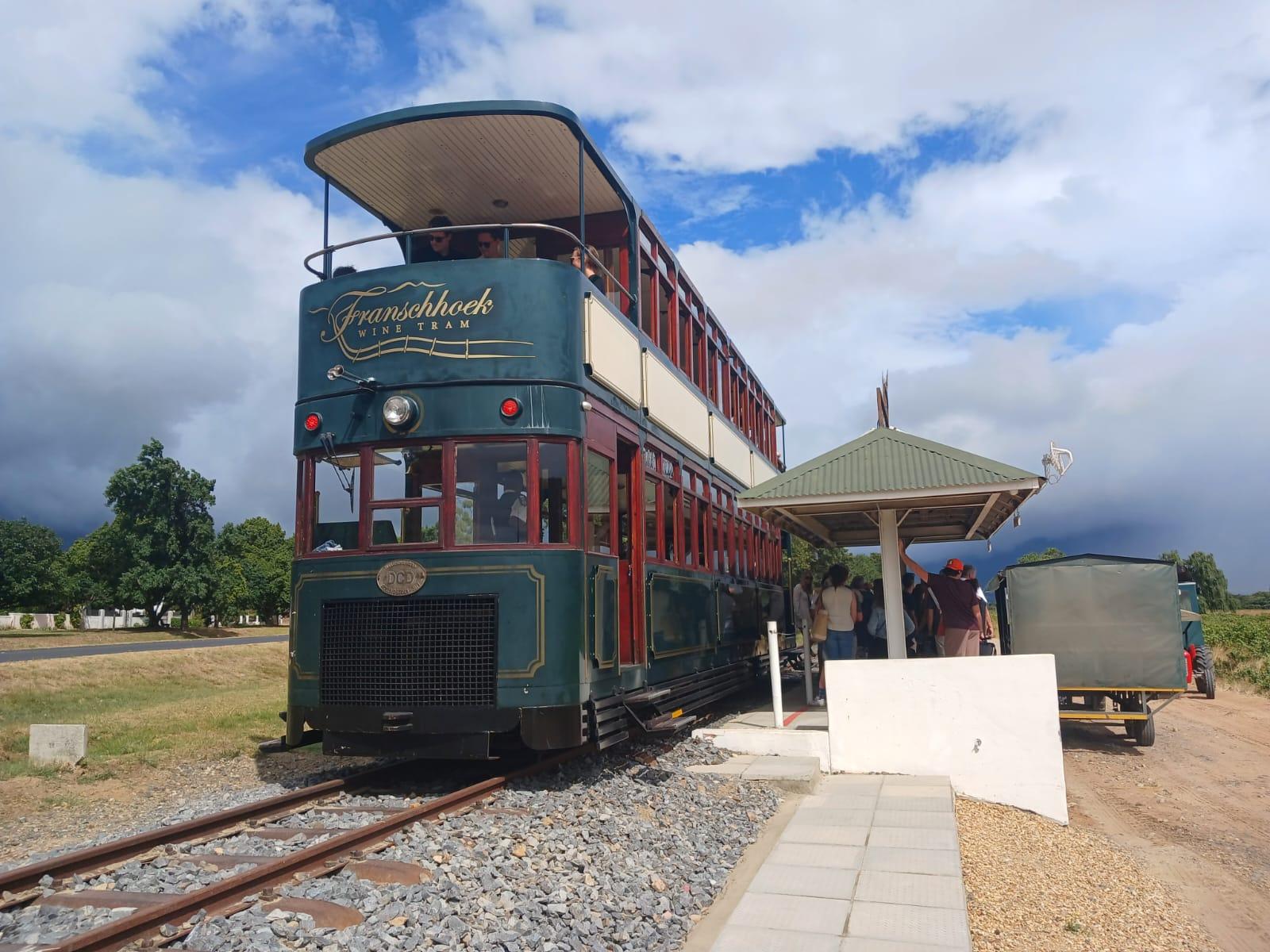
Franschhoek, twenty kilometres east via the R45, extends the winelands experience with Huguenot heritage sites and the hop-on, hop-on Wine Tram, a renovated heritage trolley connecting eight estates along a looped track. Paarl, to the north, is known for fortified dessert wines and brandy distilleries housed in Victorian warehouses. Stellenbosch itself remains the academic and commercial centre, home to the University of Stellenbosch's viticulture faculty and the annual Stellenbosch Wine Festival each February, which draws thirty thousand visitors for barrel auctions and new-vintage releases.

The first vines were planted in Stellenbosch in 1679, seventeen years after Jan van Riebeeck proved the Cape's limestone soils could sustain European viticulture.
Casual and comfortable attire is appropriate for a wine tour cape town to stellenbosch excursion. Smart-casual wear is recommended if you plan on dining at upscale vineyard restaurants.
Standard handbags and daypacks are permitted during your wine tour cape town to stellenbosch, but large luggage should be stored at your accommodation. Estates may request to inspect bags upon entry.
Photography is permitted and encouraged at most vineyards. Please respect the privacy of other guests and refrain from using tripods in crowded tasting rooms during your wine tour cape town to stellenbosch.
Children are welcome on many estates, though tasting areas may be restricted to adults. Some properties provide dedicated play zones to keep younger travelers occupied.
Many historic estates in the Cape Winelands have gravel paths that may present challenges for standard wheelchairs. Modern tasting rooms usually provide ramp access for visitors on a wine tour cape town to stellenbosch.
Picnics are available at selected estates, but bringing outside food into tasting rooms is generally discouraged. Water should be carried throughout your wine tour cape town to stellenbosch for hydration.
Opening Hours
09:00–17:00
Address
Stellenbosch Wine Routes, 47 Church Street, Stellenbosch, 7600, South Africa
Entry
0 ZAR (Free entry to estates; wine tasting fees apply per estate.)
Arrival
Best arrival window: 09:00–11:00 — Arriving early allows time for multiple estate visits before afternoon closing times.
Contact
+27218864310
Official Site
https://wineroute.co.za
Car · 50 minutes · Fuel and rental costs vary
Follow the N1 highway from Cape Town then take the R304 into the town center.
Cancellations must be made at least 24 hours in advance to qualify for a full refund of any pre-booked tour components. Entrance fees to Stellenbosch Wine Routes itself are 0 ZAR.
Recommended time
Full day
Planning your wine tour cape town to stellenbosch requires a full day to properly explore the region's diverse cellar doors and vineyards. Arriving between 09:00–11:00 is essential to maximize your schedule, as many estates conclude their tasting experiences by late afternoon. While these wine tour cape town to stellenbosch tours are popular, early starts help guests avoid peak afternoon congestion, ensuring a more relaxed pace through the Stellenbosch Wine Routes at 47 Church Street, Stellenbosch, 7600, South Africa.
Crowd levels through the day
Weather · crowds · average price — dots go green to amber to red as each metric rises.
September to November offers blooming gardens and mild temperatures averaging 18°C. This is a quiet period for a wine tour cape town to stellenbosch tour before the summer crowds arrive.
Reservations are essential at popular estates to ensure entry.
47 Church Street, Stellenbosch, 7600
Main visitor center for Stellenbosch Wine Routes
Get directionsThe wine tour Cape Town to Stellenbosch route traces its origins to 1679, when Governor Simon van der Stel founded the settlement along the Eerste River. Van der Stel distributed land grants to French Huguenot refugees fleeing religious persecution after the 1685 revocation of the Edict of Nantes. These settlers brought viticulture expertise from Bordeaux and the Loire Valley, planting the first commercial vineyards in valleys that would become Franschhoek and Paarl. By 1688, the Cape Colony produced its first wines for export, though quality remained inconsistent due to limited knowledge of terroir and the long sea voyage to European markets. The phylloxera epidemic of the 1880s devastated European vineyards but spared the Cape, creating a brief export boom. The formation of the Ko-operatieve Wijnbouwers Vereniging (KWV) in 1918 centralized production and set minimum prices, stabilizing the industry but stifling innovation for decades. Political isolation during apartheid years meant South African wines fell behind New World competitors in Australia and California. The Stellenbosch Wine Route, established in 1971 as Africa's first wine route, opened estates to public tastings and laid the groundwork for modern wine tour Cape Town to Stellenbosch tours. Post-apartheid reform in 1994 triggered a quality revolution. Winemakers replanted vineyards with Bordeaux varietals, adopted French oak barrel aging, and studied at international oenology schools. Stellenbosch emerged as the premium region, its decomposed granite soils and maritime climate producing Cabernet Sauvignon and Chenin Blanc that earned global accolades. Today the route encompasses over 200 estates, from historic homesteads like Vergelegen, founded in 1700, to contemporary tasting rooms designed by leading architects. The journey from Cape Town remains a pilgrimage through three centuries of winemaking adaptation and survival.
Simon van der Stel establishes Stellenbosch settlement and allocates first land grants for viticulture.
French Huguenot refugees plant commercial vineyards in Franschhoek and Paarl valleys.
Formation of the KWV cooperative stabilizes wine prices but limits innovation for decades.
Stellenbosch Wine Route launches as Africa's first organized wine tourism circuit.
End of apartheid sparks replanting programs and quality-focused winemaking reforms.
Stellenbosch gains international recognition for premium Cabernet Sauvignon and Bordeaux-style blends.
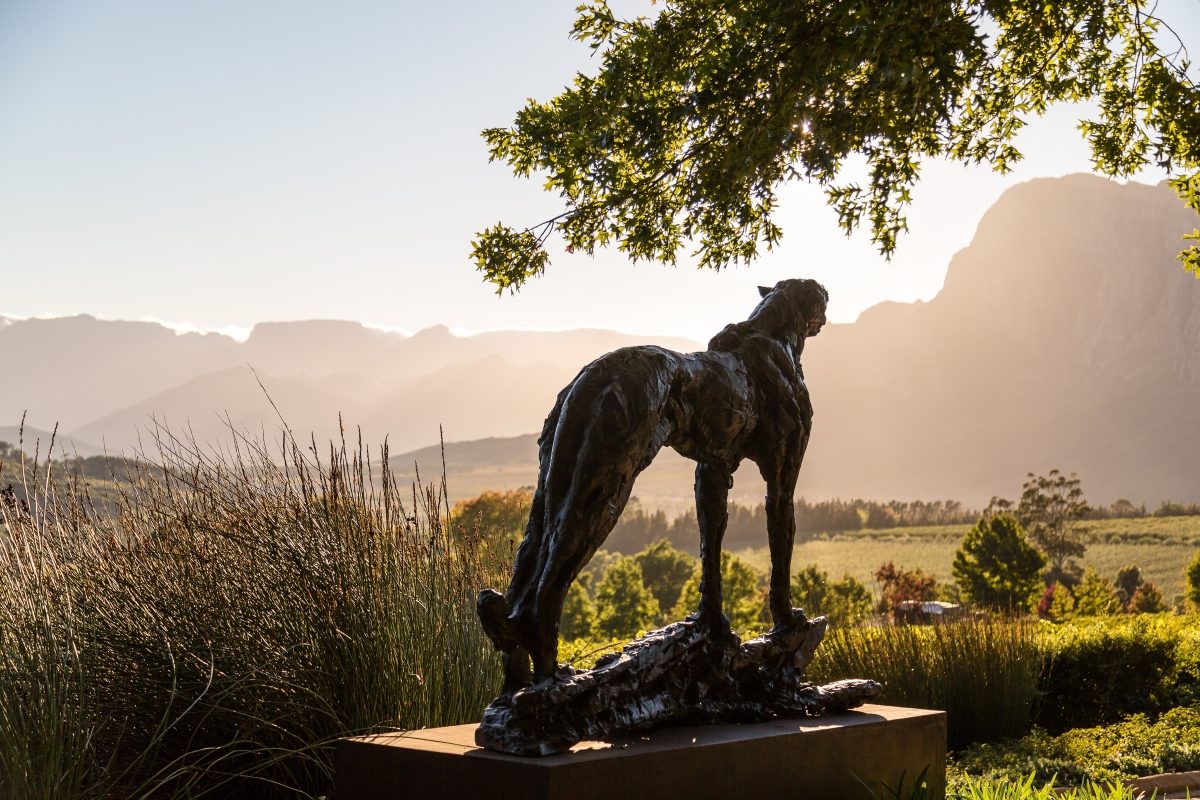
Stand near the oversized bronze sculptures with the Simonsberg mountain range in the background. This vantage point provides a clear view of the manicured gardens against the rugged landscape.
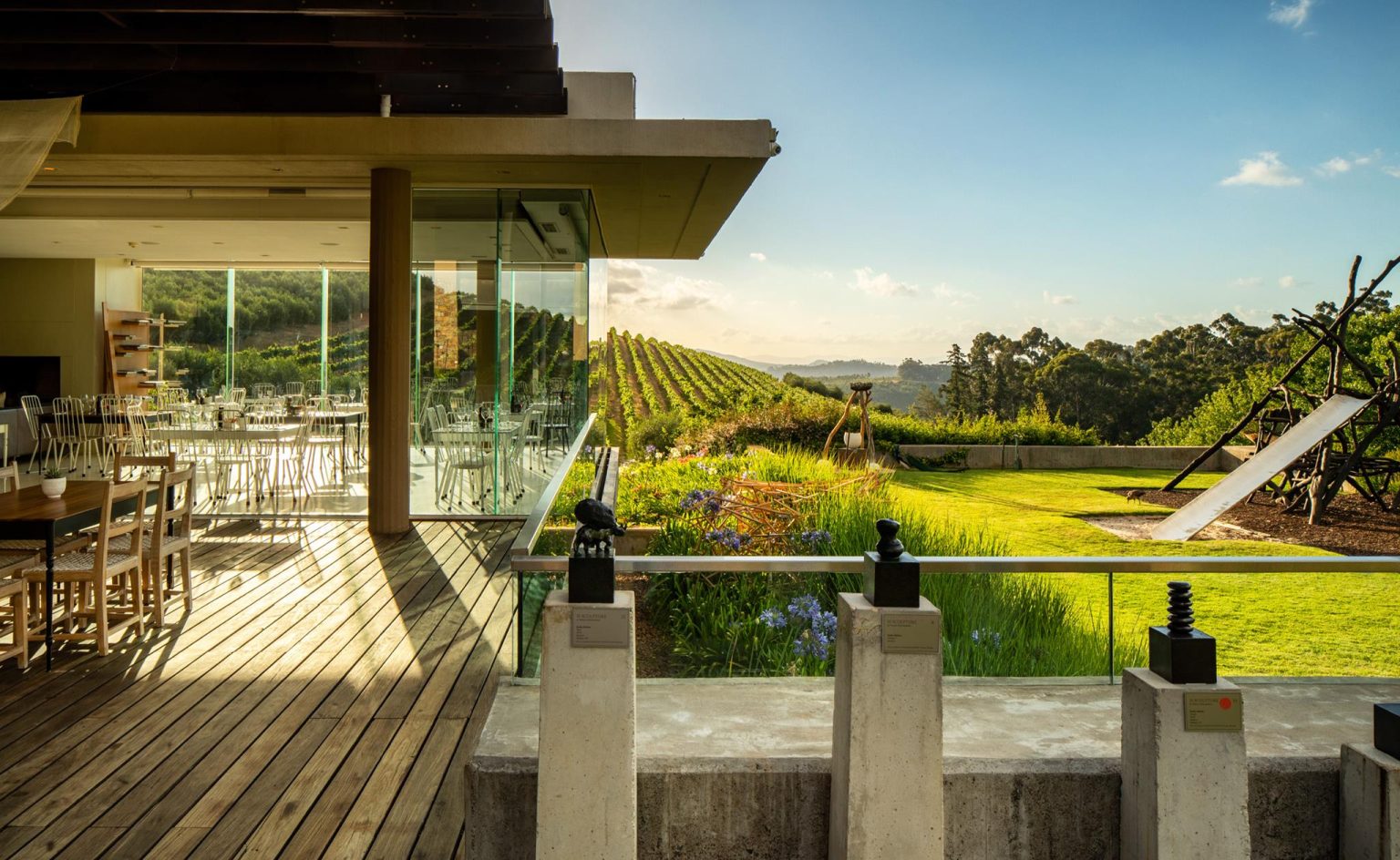
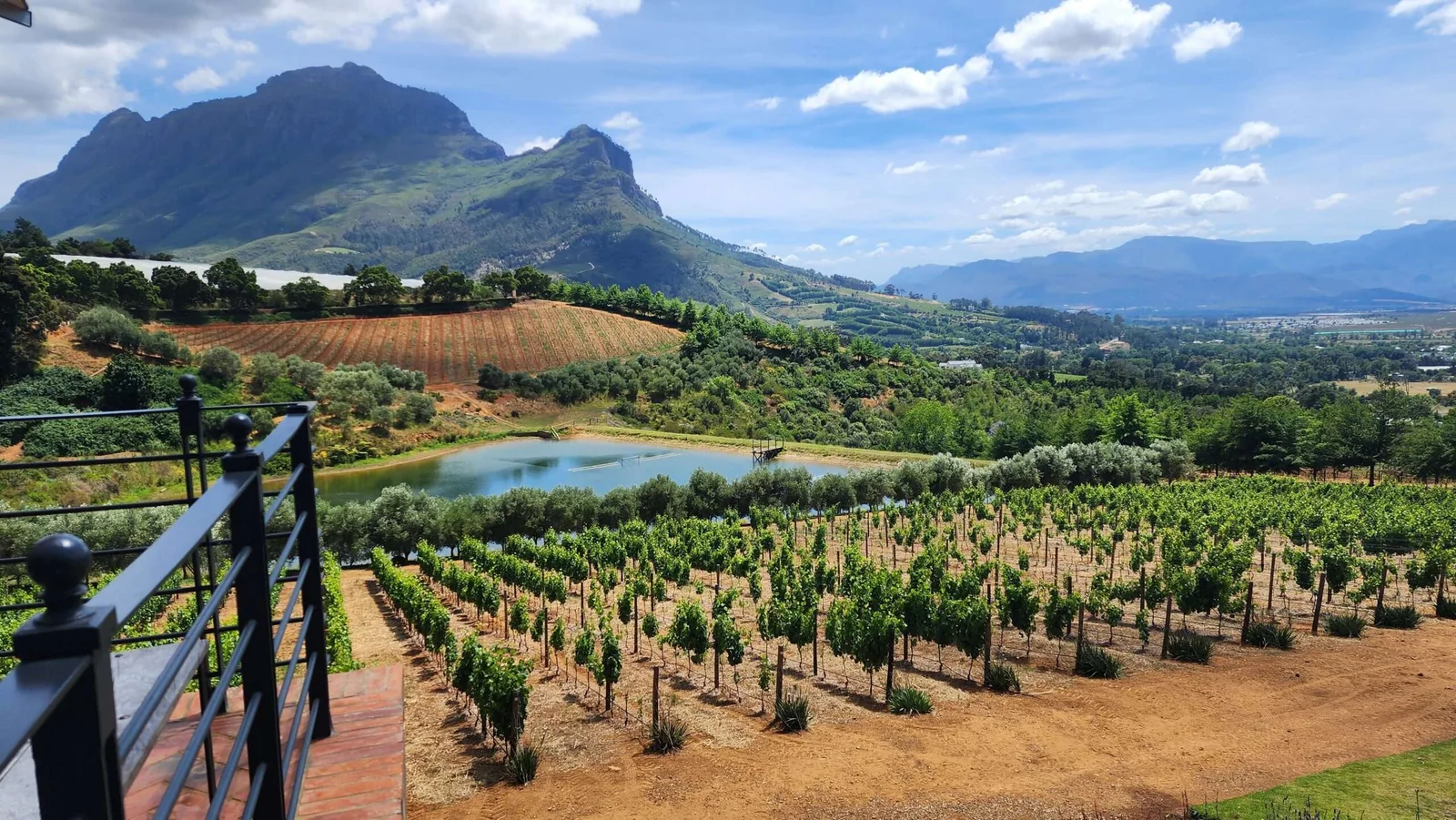
Position yourself at the edge of the glass-walled building to capture the infinity-style vista over the vineyards. This location offers a perspective on the rolling hills often featured in a wine tour cape town to stellenbosch.
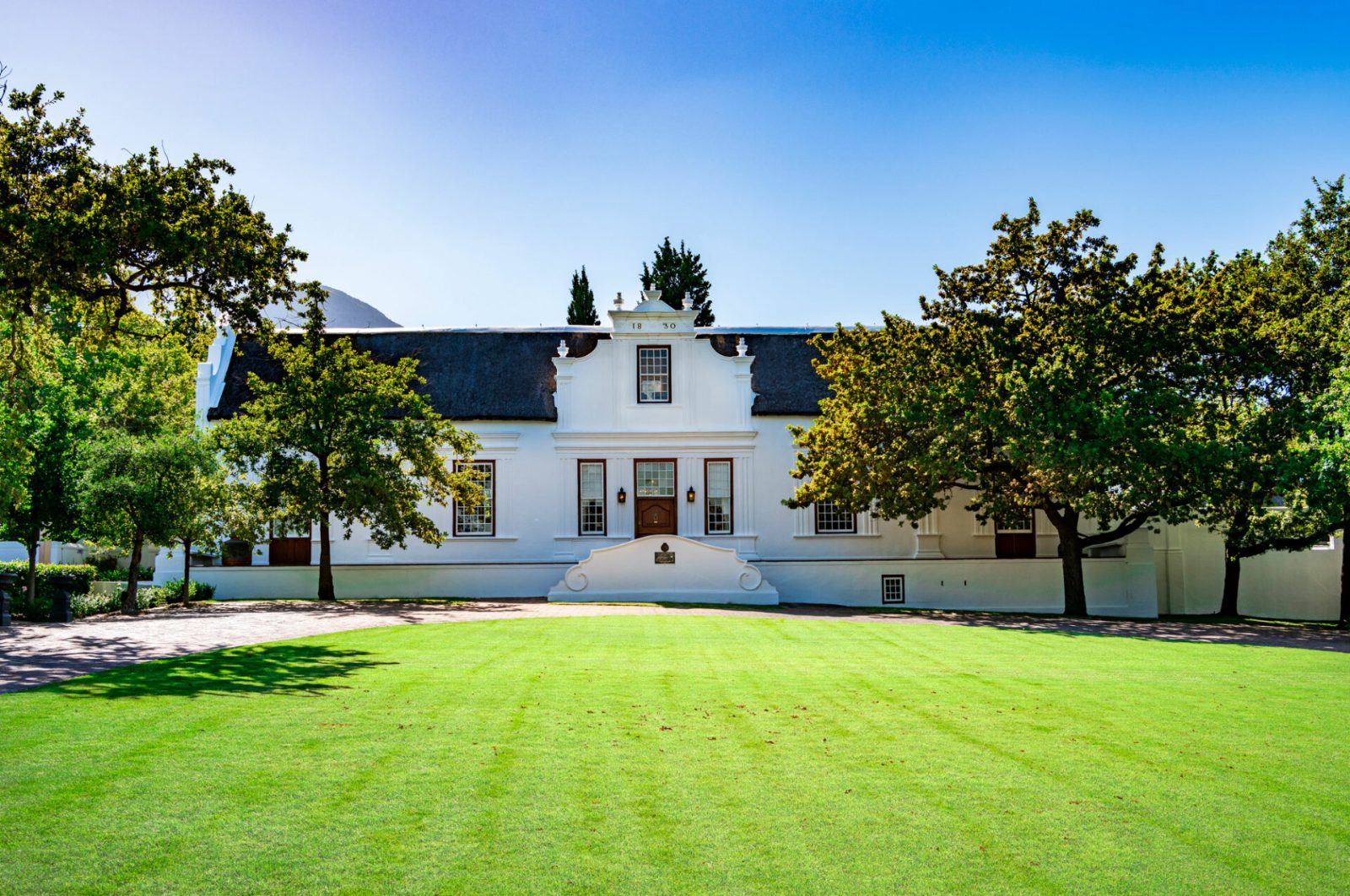
Capture the historic Cape Dutch architecture by framing your shot through the arched white doorways of the main manor. This composition highlights the traditional aesthetic synonymous with Cape Winelands estate tours.
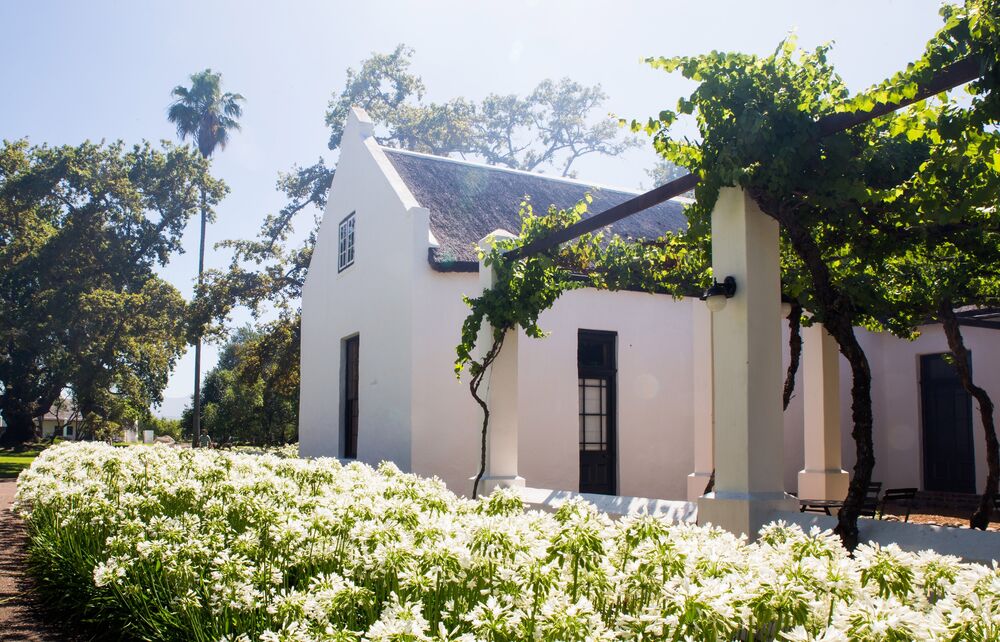
Walk into the central courtyard, known as the Werf, to photograph the restored farm buildings and reflective ponds. It is a central hub for those booking wine tour cape town to stellenbosch tours.
Frame the rows of maturing oak barrels inside the cellar for a focus on viticulture craftsmanship. This provides a different visual texture compared to the typical landscape wine tour cape town to stellenbosch tickets offer.
Planning a wine tour cape town to stellenbosch allows families to enjoy expansive gardens and open spaces while parents sample local vintages. Many estates cater to children with dedicated play areas and lawn space, making the region a versatile destination for a family day out.
Most estates feature paved pathways or flat lawns suitable for strollers, though vineyard rows can be uneven for small wheels.
Look for wine estates that specifically offer jungle gyms or sandpits, as these venues provide the best environment for a wine tour cape town to stellenbosch tour.
Arriving between 09:00–11:00 is recommended to ensure you can complete your visit before the afternoon rush.
Primary school-aged children often enjoy the outdoor freedom, while teenagers may appreciate the educational aspect of the viticulture process.
Many farms feature casual garden restaurants; verify in advance if they offer child-friendly menus to pair with your wine tour cape town to stellenbosch tickets.
The Stellenbosch Wine Routes office at 47 Church Street can provide information on indoor venues should the weather turn, though most wine tour cape town to stellenbosch tours rely on fair-weather outdoor settings.
Visitors embarking on a wine tour cape town to stellenbosch will find a diverse culinary landscape ranging from casual cellar door platters to formal vineyard dining. Most estates provide on-site kitchens, though the town center also offers numerous bistros within a short distance of the main wine route office.
Perched on a hill, this venue offers sophisticated contemporary cuisine with panoramic views of the valley. It is an ideal stop for those seeking a formal lunch during their wine tour cape town to stellenbosch tours.
Everything you need to know for your journey
The office at 47 Church Street is open daily from 09:00–17:00. You can visit during these times for information regarding your wine tour cape town to stellenbosch.
Stellenbosch Wine Routes provides information and maps, but tours and tastings are typically booked via operators or individual estates.
There is a 0 ZAR entrance fee for the estates themselves, though you will pay tasting fees directly at each location during your wine tour cape town to stellenbosch.
For the best experience, aim to arrive between 09:00–11:00. This early arrival window allows you to complete multiple stops before the afternoon rush on your wine tour cape town to stellenbosch.
Children are welcome at many family-friendly estates, though tasting venues may have age restrictions. Please check specific estate policies before booking your wine tour cape town to stellenbosch tour.
Limited public parking is available on Church Street. Many visitors on a wine tour cape town to stellenbosch opt for organized transport to avoid parking concerns.
Small bags are permitted, but keep them compact to ensure comfort during your wine tour cape town to stellenbosch. Large luggage is not ideal for visiting wine estates.
You can reach the area by car via the N1 highway or by booking a shuttle as part of a wine tour cape town to stellenbosch tour package.
Photography is allowed throughout your wine tour cape town to stellenbosch. Capture the scenery but respect private cellar areas and other guests.
Cancellations should follow the operator policy, usually requiring 24 hours notice for a refund. Always verify the terms of your specific wine tour cape town to stellenbosch tickets.
A complex of four historic houses showcasing architecture from different centuries.
Historic property located in the heart of the town center.
Join thousands of happy travelers who have discovered this incredible experience
Book Your Experience Now